Severe storms, hail target Two Harbors, Lake Superior waters this evening
Quarter-size hail hit east and southeast of Two Harbors as storms raced toward the North Shore, with more severe weather still lined up for this evening.
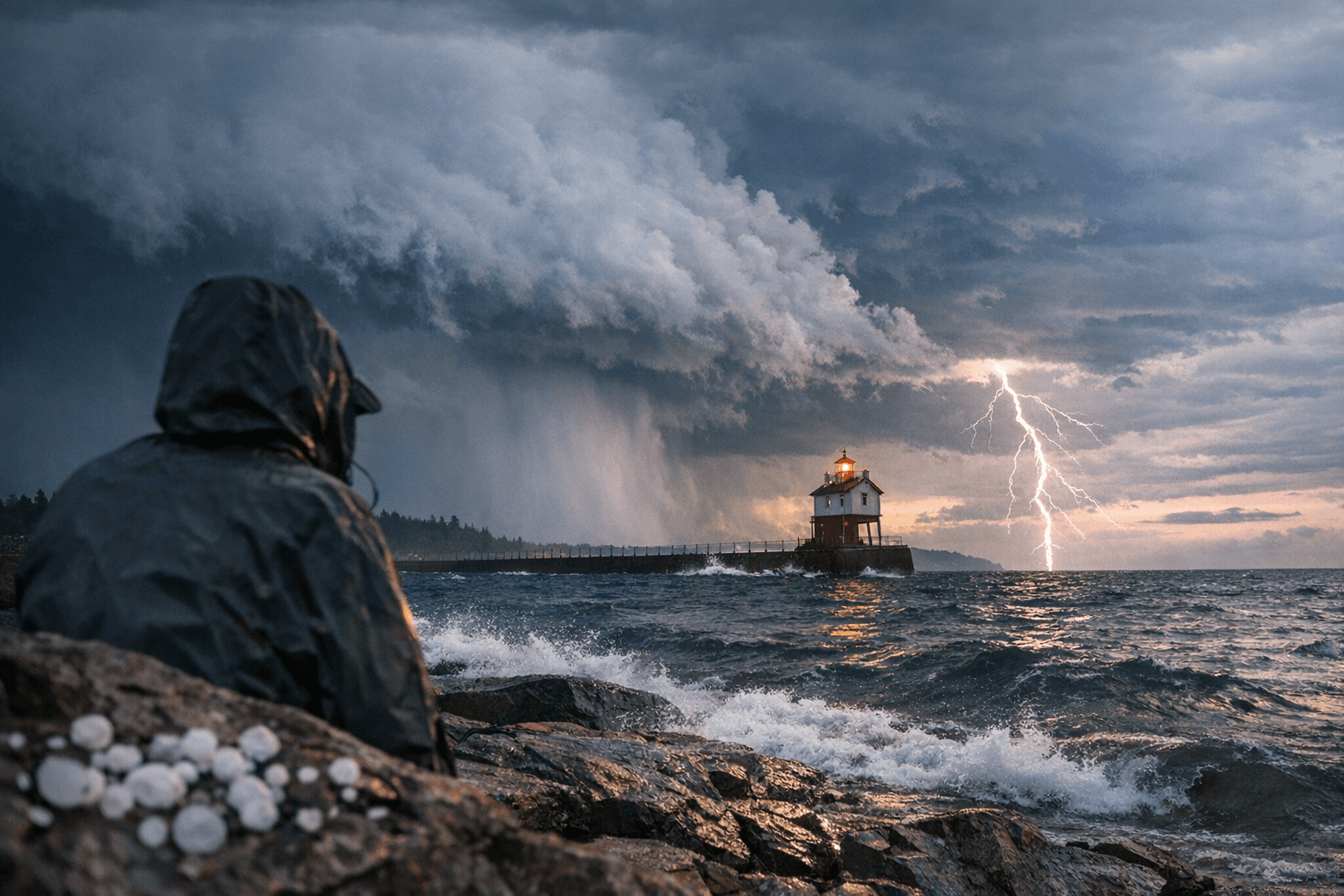
Quarter-size hail was reported east and southeast of Two Harbors Friday afternoon, a fast-moving sign that the evening storm threat was already reaching Lake County as severe thunderstorm warnings covered the area. Drivers should be checking windshields and body panels for dents, while homeowners near the shore should look for damaged siding, shingles, screens and anything left outside that could be battered by hail.
The National Weather Service in Duluth said strong to severe storms were expected to build over north-central and central Minnesota, then sweep east into the Arrowhead, the Twin Ports and the Interstate 35 corridor early in the evening before moving toward northwest Wisconsin. Its forecast discussion called for rain and thunderstorms Friday afternoon and early evening, with isolated to scattered severe storms possible along I-35 and east into northwest Wisconsin. Hail, damaging winds and tornadoes were all listed as possible hazards, especially farther east.
The setup carried a broader risk for people on Lake Superior as well as on land. For the Silver Bay Harbor to Two Harbors marine zone, the forecast called for west winds of 5 to 10 knots, gusts up to 25 knots and waves of 1 to 2 feet for the rest of the day. Special marine warnings were also active near Silver Bay Harbor and Two Harbors because of strong winds and hail threats, and the Duluth office’s morning hazard summary still showed a Gale Warning, Small Craft Advisory and Gale Watch in effect.
The severe weather threat came after a day when the same pattern had already raised concerns about near-critical fire weather over parts of north-central and northeast Minnesota. Away from Lake Superior, temperatures were expected to climb into the upper 60s to mid-70s, with minimum relative humidity of 20% to 30% and south winds of 20 to 30 mph before the atmosphere reloaded for thunderstorms.
The weather service’s own event summaries show how quickly Northland storms can turn destructive. It lists June 18, 2024, for severe thunderstorms and widespread flooding, and July 26, 2021, for large hail and damaging winds across the Northland. The office is also promoting 2026 Skywarn spotter training and urging residents to rely on NOAA Weather Radio and other trusted alerts as this round of storms moves east.
This article was produced by Prism’s automated news system from verified source data, official records, and press releases, then run through automated quality and moderation checks before publishing. The system is built and supervised by the people who set the standards it runs under. Read our full AI policy.
Did this article answer your question?