Trump signs law overturning Biden-era mining ban in Superior National Forest
Trump’s rollback reopens 225,504 acres in Lake County and nearby forests to mining bids, but Twin Metals still needs permits before any jobs or tax revenue arrive.
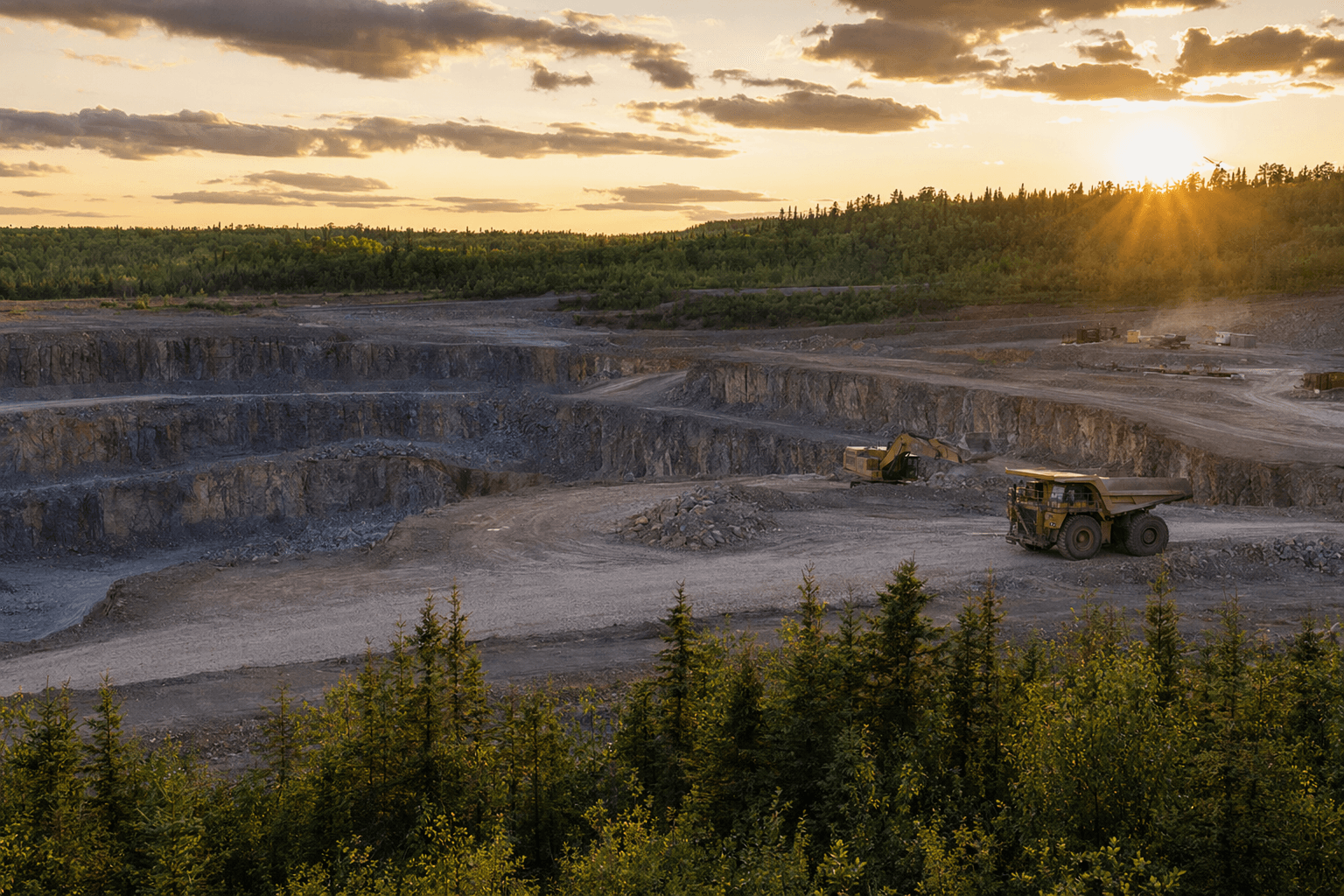
Lake County’s mining future changed on paper Monday, but not at a single shovel site. President Donald Trump signed H.J.Res. 140, erasing the Biden-era withdrawal on about 225,504 acres of Superior National Forest land in Cook, Lake and St. Louis counties and clearing a path for new mineral leasing in one of northern Minnesota’s most contested areas.
For Lake County, the immediate effect is procedural, not industrial. The law does not authorize mining outright. It removes a 20-year federal withdrawal and sends any proposal back into the normal permitting pipeline, including environmental review under NEPA. That means no new mine, no new payroll, and no new county revenue arrives just because the bill became law. Any local impact will depend on whether a project can survive years of state and federal review.
The biggest beneficiary is expected to be Twin Metals Minnesota, the Chile-based Antofagasta subsidiary that has long sought to develop a sulfide-ore copper mine near Ely, just upstream from the Boundary Waters watershed. Supporters of the rollback say it restores access to critical minerals and could revive investment in the Iron Range economy. Pete Stauber, who pushed the earlier House version known as the Superior National Forest Restoration Act, has argued the withdrawal sidelined miners and weakened the country’s ability to source strategic metals.
The land at stake is not abstract. The withdrawn area covered about 350 square miles of federal land in the Superior National Forest, including land in Lake County. Environmental groups warn that sulfide-ore mining in the Rainy River watershed could send pollution toward the Boundary Waters Canoe Area Wilderness, where contamination can spread downstream into some of the state’s most prized canoe country. Friends of the Boundary Waters said more than 650,000 Americans commented on copper mining in the headwaters, with about 98% opposing mining near the Boundary Waters.
The Senate approved the resolution 50-49 on April 16, with Susan Collins and Thom Tillis voting no and Josh Hawley not voting. Minnesota’s Democratic senators, Amy Klobuchar and Tina Smith, opposed the rollback. Trump signed it on April 27, ending a Biden administration withdrawal first issued in January 2023.
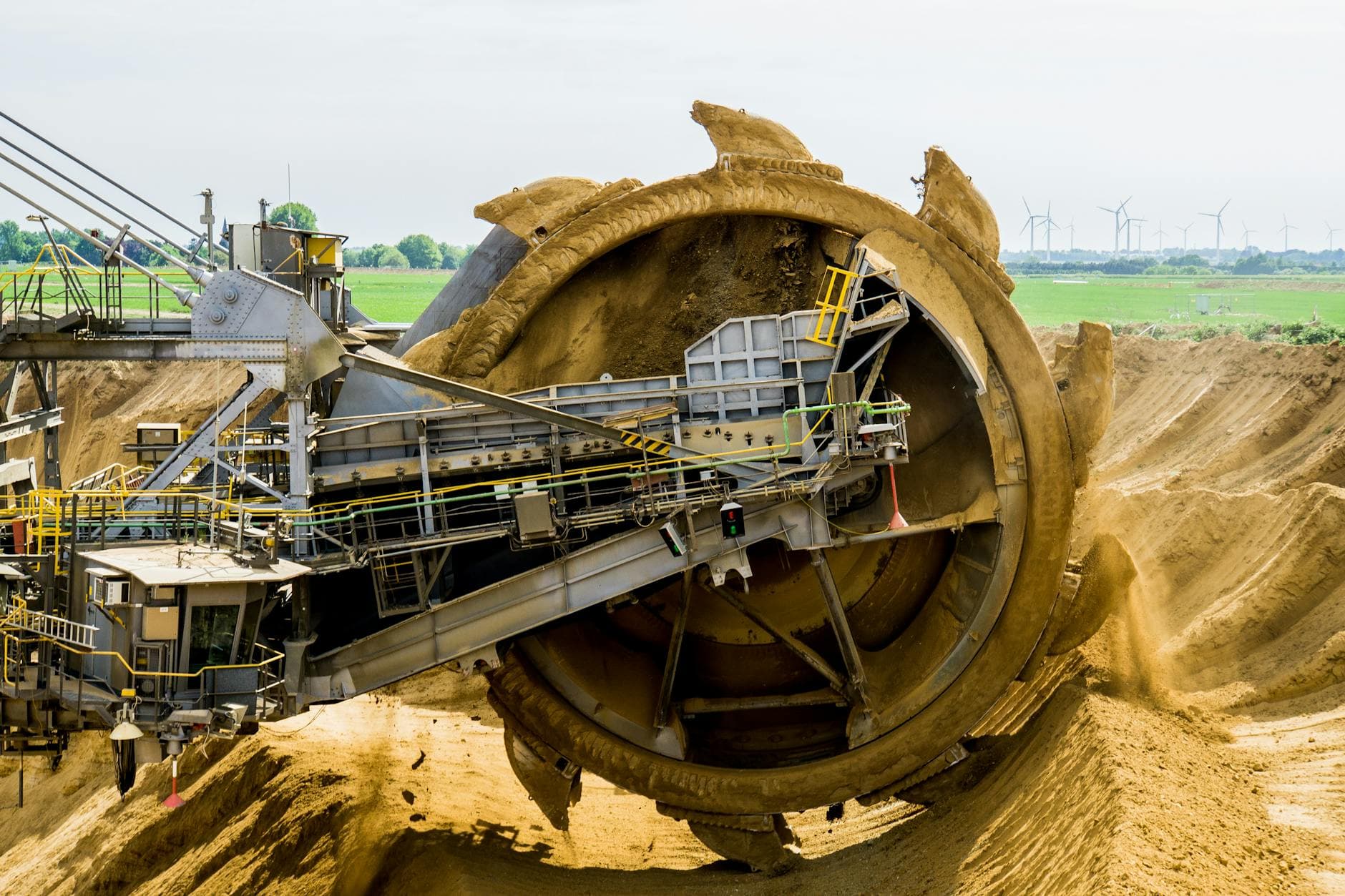
That leaves Lake County at the center of a familiar Minnesota divide. Mining supporters see a potential boost for jobs, contractors and the regional tax base if a project advances. Opponents see a direct threat to the Boundary Waters and the watershed that feeds it. For now, the law changes the starting line, not the finish, and the next milestone will come in permit filings, environmental studies and court challenges, not at an opening ceremony.
This article was produced by Prism’s automated news system from verified source data, official records, and press releases, then run through automated quality and moderation checks before publishing. The system is built and supervised by the people who set the standards it runs under. Read our full AI policy.
Did this article answer your question?


