U.S. Forest Service Plans Prescribed Burns Across Lake County This Spring
Smoke may be visible near Isabella and other Lake County communities starting this month as the Forest Service ignites hundreds of acres of controlled burns on the Superior National Forest.
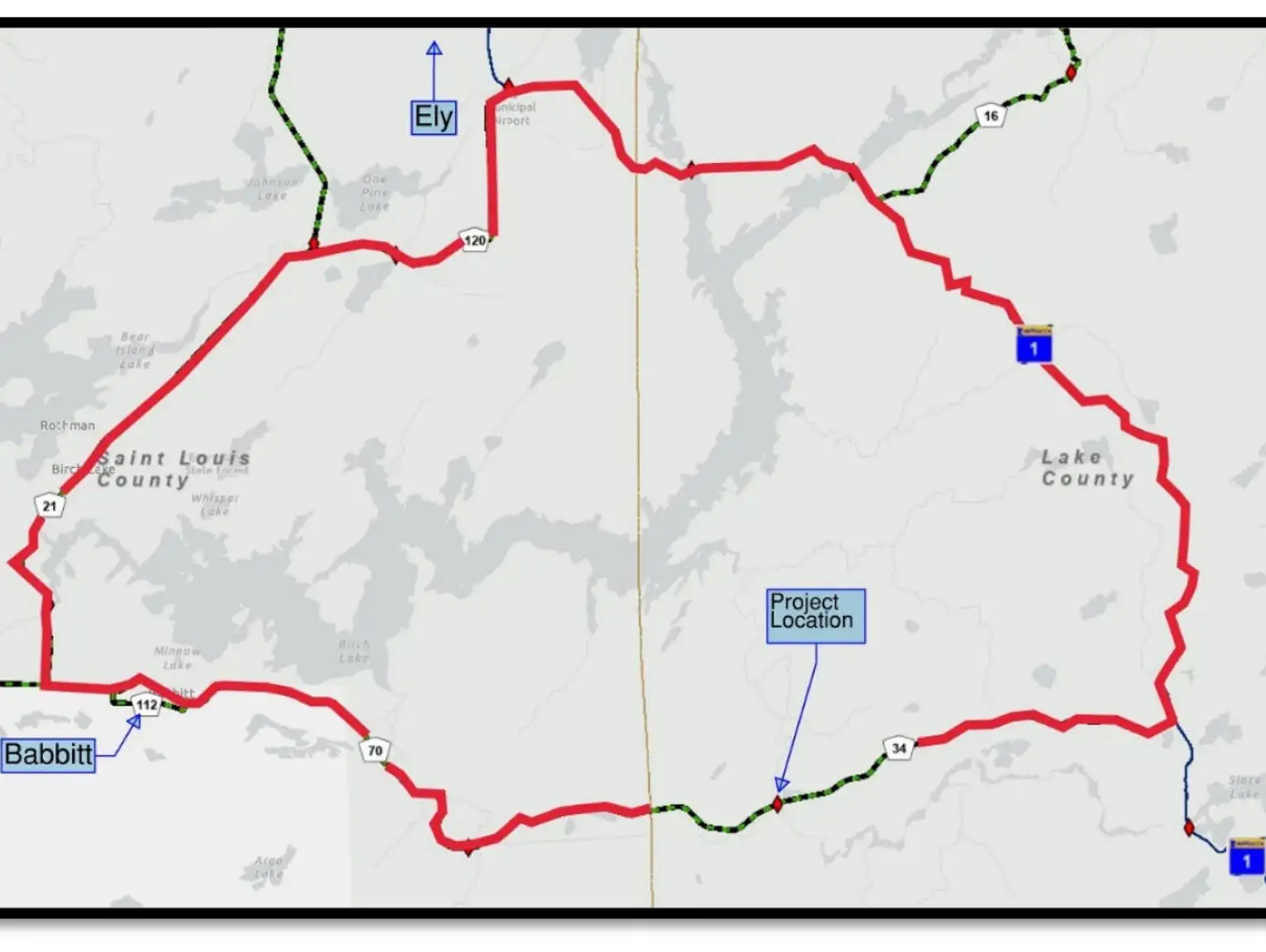
The Tanner unit, 226 acres of Lake County forest roughly six miles east of Isabella off Forest Roads 172 and 174, is among the first targets in a prescribed burn campaign the U.S. Forest Service announced this week across the Superior National Forest.
Operations are set to begin this month and extend through June as weather conditions and required approvals allow. The effort spans multiple named units concentrated on the east side of the forest, with several falling within or adjacent to Lake County through the Gunflint and Tofte districts. Beyond the Tanner unit, named blocks include Fiddle Creek, Hungry, Sunfish Lake, Kawishiwi Lakes, Shack Units/Elixir, and Tail.
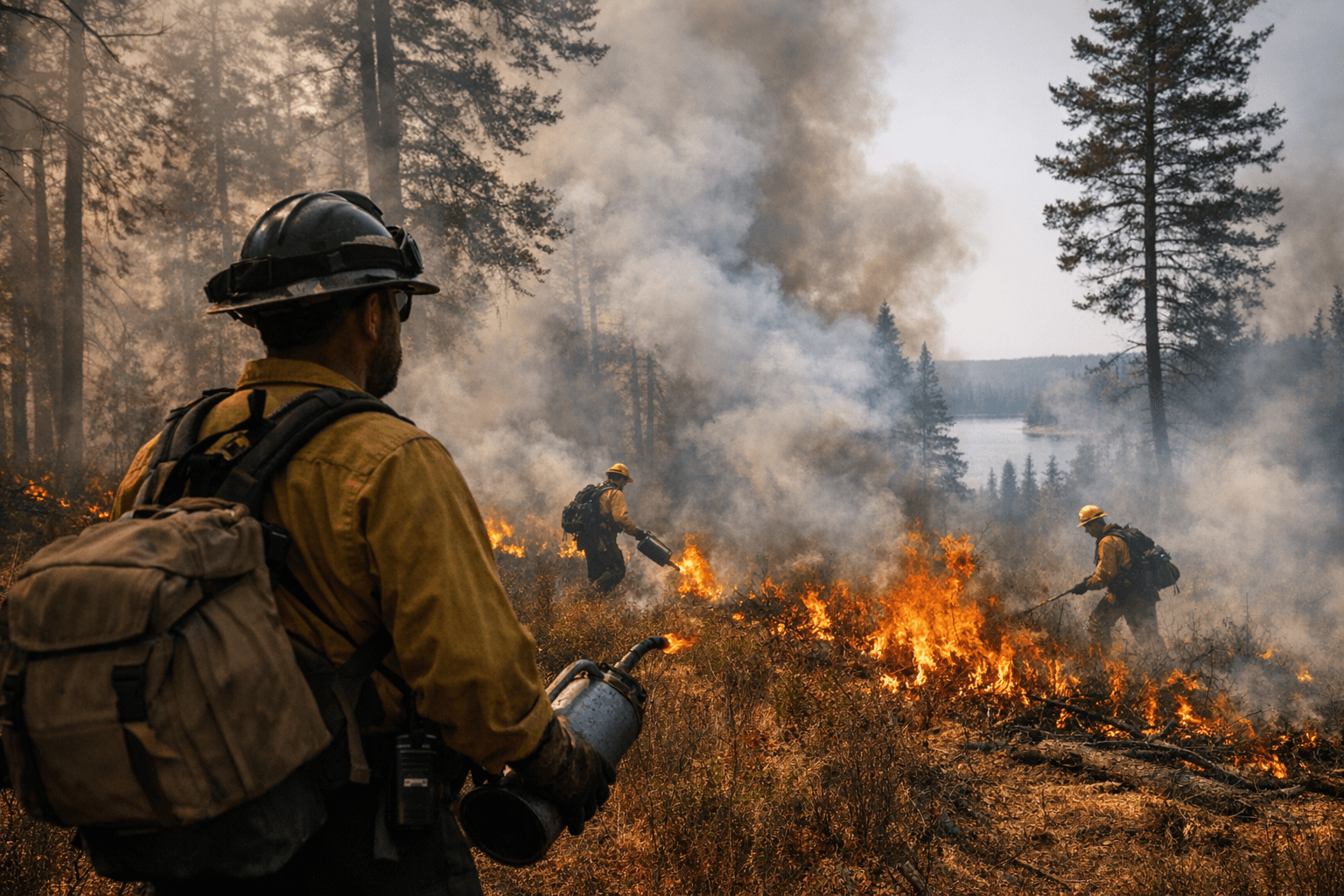
Prescribed burns are intentionally ignited, controlled fires used to reduce hazardous fuels that have accumulated over decades of fire suppression policy. That suppression has left forests carrying heavier fuel loads than would have existed historically, raising the likelihood that any uncontrolled ignition grows into a large wildfire threatening homes, logging infrastructure, and recreation corridors. The program also serves an ecological purpose: fire-adapted systems like jack pine barrens and oak savanna require periodic burning to maintain their structure and support the species that depend on them.
Where burn units cross jurisdictional boundaries, the Forest Service is coordinating with the Minnesota Department of Natural Resources. Maps for each unit will be posted to InciWeb and the Superior National Forest's fire web pages so residents, landowners, and partners can track planned locations and ignition windows as the season progresses.
During active burns, smoke may reduce visibility on highways near active units, and some trails or forest access roads could face temporary closures. Residents with respiratory conditions should monitor InciWeb notices and local updates during planned ignition periods rather than waiting for visible smoke to signal an active burn nearby. The Forest Service conducts pre-burn outreach to nearby towns and landowners ahead of each ignition and employs smoke-management strategies aimed at limiting community exposure.
This article was produced by Prism’s automated news system from verified source data, official records, and press releases, then run through automated quality and moderation checks before publishing. The system is built and supervised by the people who set the standards it runs under. Read our full AI policy.
Did this article answer your question?