Black student athlete summit in Eugene focuses on life after sports
900 student-athletes and 350 industry representatives filled Eugene for a summit built around careers, financial literacy and life after sports.
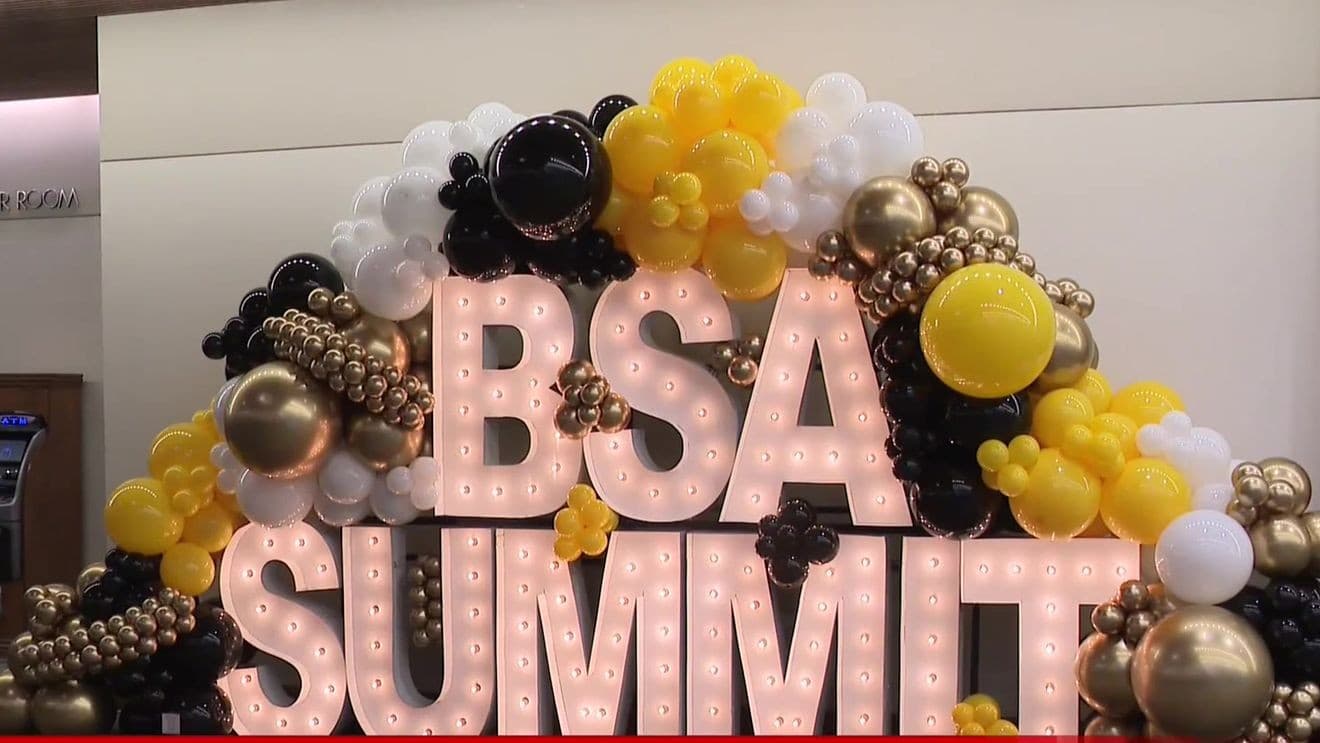
Eugene spent the week as a national classroom for 900 student-athletes and 350 business, industry and sports representatives, as the Black Student-Athlete Summit turned University of Oregon venues into a setting for career planning, financial literacy and identity beyond the scoreboard.
The four-day gathering ran from May 20 through May 23, 2026, under the theme “Beyond NIL.” Summit materials described the event as a chance to bring student-athletes, athletic professionals and industry innovators together for programming centered on education and academics, mental health and wellness, professional development, and financial literacy and entrepreneurship. Named pieces of the schedule included Pro Day and the ElevateXperience, underscoring that the summit was built as much around practical networking as motivation.
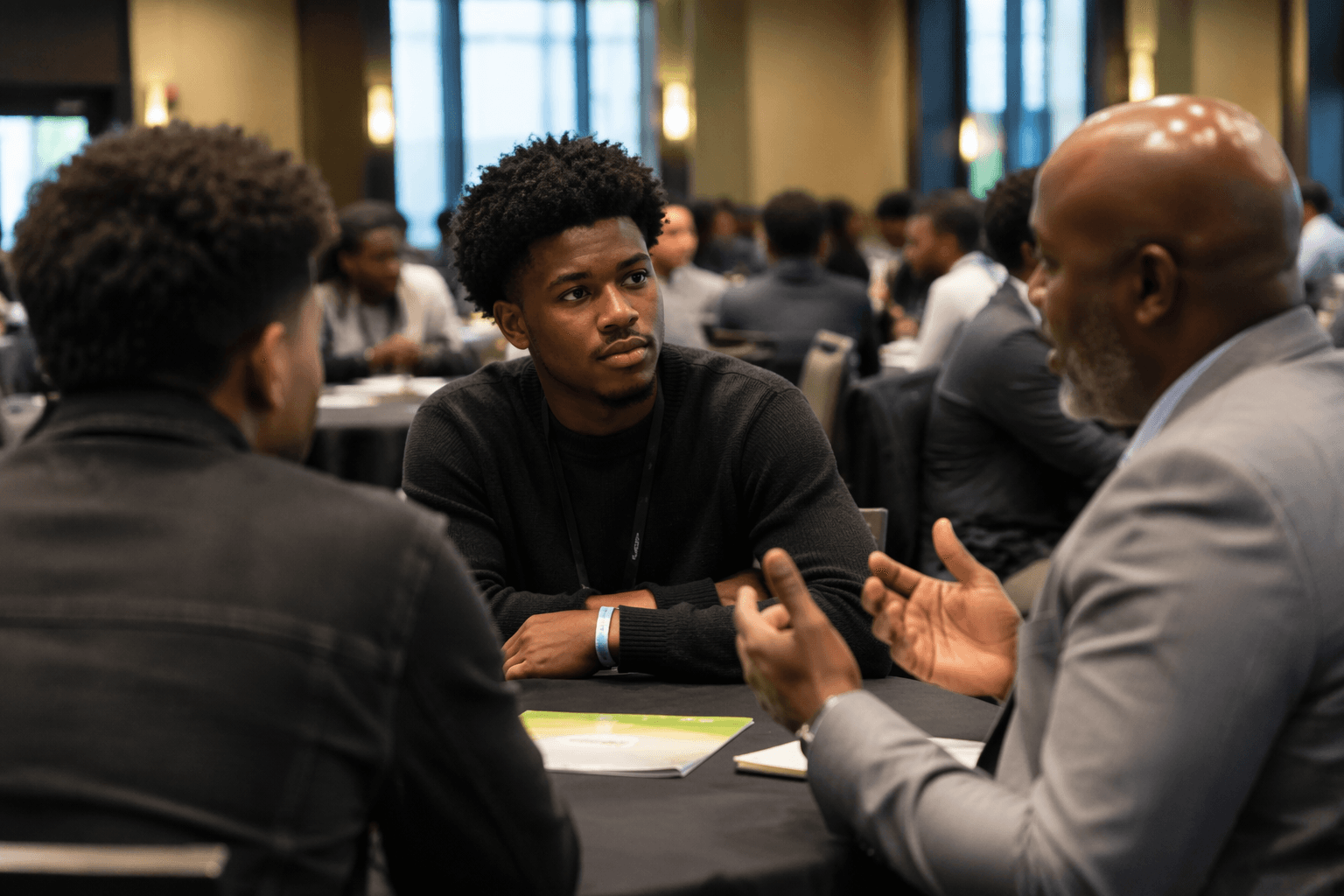
The summit’s message landed with particular force in a sport culture that still sends many Black athletes the same narrow message: make it to the NBA or NFL or fall short. Leonard N. Moore, the founder and executive director, said the point is to help athletes prepare for life when sports are no longer the center of their identity. That broader frame matters for student-athletes who may be excellent in their sport but unlikely to turn pro, and for local families thinking about college choices that can shape both a playing career and a future profession.
Jermonie Billingsly, a water polo player at Long Beach State, put a human face on that isolation. She said she is often the only Black girl on her team, and events like this help her feel seen and connected. That sense of belonging is central to the summit’s social impact, especially for athletes navigating campuses where they may be underrepresented in their sport or in their peer group.
The University of Oregon hosted the summit across Matthew Knight Arena, Hayward Field, the Oregon Football Facility and the Graduate hotel, placing Eugene at the center of a national conversation about athlete development. That setting also fits the university’s own support structure. The Lyllye Reynolds-Parker Black Cultural Center says it exists to connect Black students with resources for academic, cultural and social success, while the John E. Jaqua Center for Student Athletes includes a 114-seat auditorium, 35 tutor rooms and 25 faculty and advising offices.
The summit itself is not new. Moore founded it in 2015 while teaching at the University of Texas at Austin, and it marked its 10th anniversary in 2025. The event drew more than 1,300 attendees in Chicago in 2025 and more than 1,400 at the 2023 gathering at USC, showing how quickly it has grown into a national circuit. Past support from the NCAA Office of Inclusion, Education and Community Engagement has also helped sponsor HBCU student-athletes, including fellows whose registration, hotel and travel were covered.
For Lane County, the summit carried added local meaning. Eugene’s Black population is small relative to the city overall, and spaces that build belonging, opportunity and long-term career paths remain especially important. At the university and beyond, the summit’s lesson was clear: the most valuable part of being an athlete may be what comes after the final season ends.
Know something we missed? Have a correction or additional information?
Submit a Tip