Eugene activists launch signature drive for clean energy tax measure
Eugene activists began gathering signatures for a ballot measure that would hit qualifying retailers with a 2% fee and needs more than 8,700 names in 100 days.

Eugene activists have 100 days to collect more than 8,700 valid signatures for a proposed clean-energy tax, or the measure stays off the November ballot. The petition drive began April 16, and the direct charge would fall on qualifying large retailers and banks operating in the city.
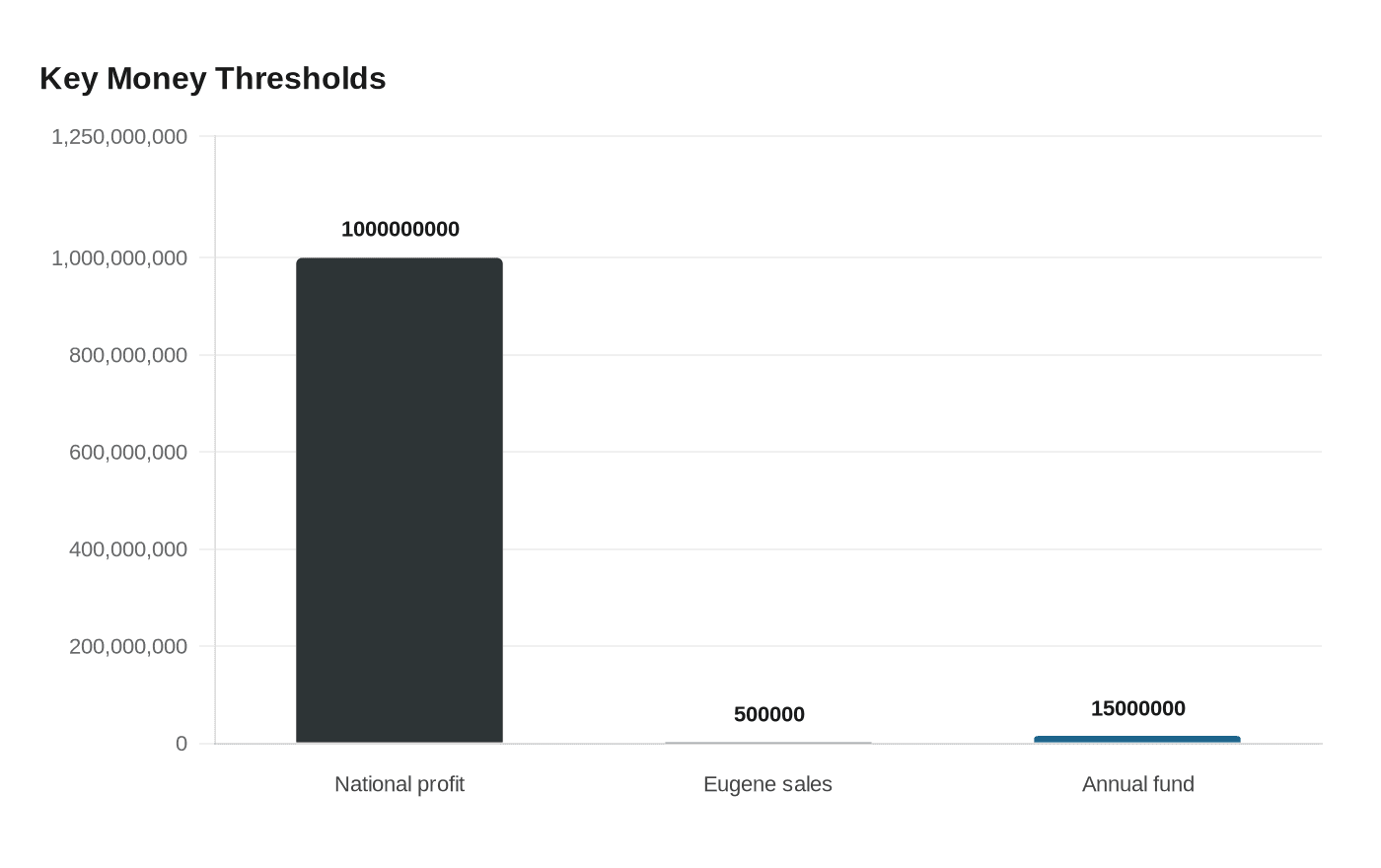
The City of Eugene’s ballot title is Licensure of Large Retailers to Finance a Clean Energy Fund. If voters approve it, the ordinance would take effect January 1, 2029, and would require large retailers to obtain a license and pay an annual 2% fee on gross profits from retail sales within Eugene. The campaign materials say the measure would apply to companies with more than $1 billion in national gross profits from retail sales annually and more than $500,000 in retail sales in Eugene. It is still not clear whether Nike would be included.

Supporters say the measure could generate about $15 million a year for clean energy and community programs. Campaign materials describe funding for renewable energy and energy-efficiency work, renewable-energy job training, green infrastructure, community resilience and sustainability projects. One campaign document says administrative costs would be capped at 10% once the fund is operating, and public materials say a committee of city residents would help guide the fund.
The effort is backed by Beyond Toxics, the Breach Collective, the Oregon Chapter of the Sierra Club and other environmental and justice groups. City election officials say initiative petitions go through the Recorder’s Office, which prepares election schedules, files measures for the ballot and certifies final results. Oregon’s local initiative calendar allows signature verification to take up to 30 days, which puts a premium on the campaign’s next filing deadlines and field operation.
The Eugene proposal also echoes Portland’s Clean Energy Community Benefits Fund, which voters approved in November 2018. Portland says that fund invests in community-led projects that reduce carbon emissions, create economic opportunity and improve resilience. For Eugene voters, the coming months will determine whether the city moves from a petition drive to a citywide vote on who pays for the transition and how the money is spent.
This article was produced by Prism’s automated news system from verified source data, official records, and press releases, then run through automated quality and moderation checks before publishing. The system is built and supervised by the people who set the standards it runs under. Read our full AI policy.
Did this article answer your question?