Eugene Area Gleaners Keep Surplus Food Local, Feed Neighbors Year Round
On December 26, volunteers with the Eugene Area Gleaners collected surplus backyard and farm produce across Lane County, connecting neighbors and diverting food from waste to people in need. The group, founded in 2009, provides year round harvesting and redistribution that supports food access during and after the holidays and throughout the year.
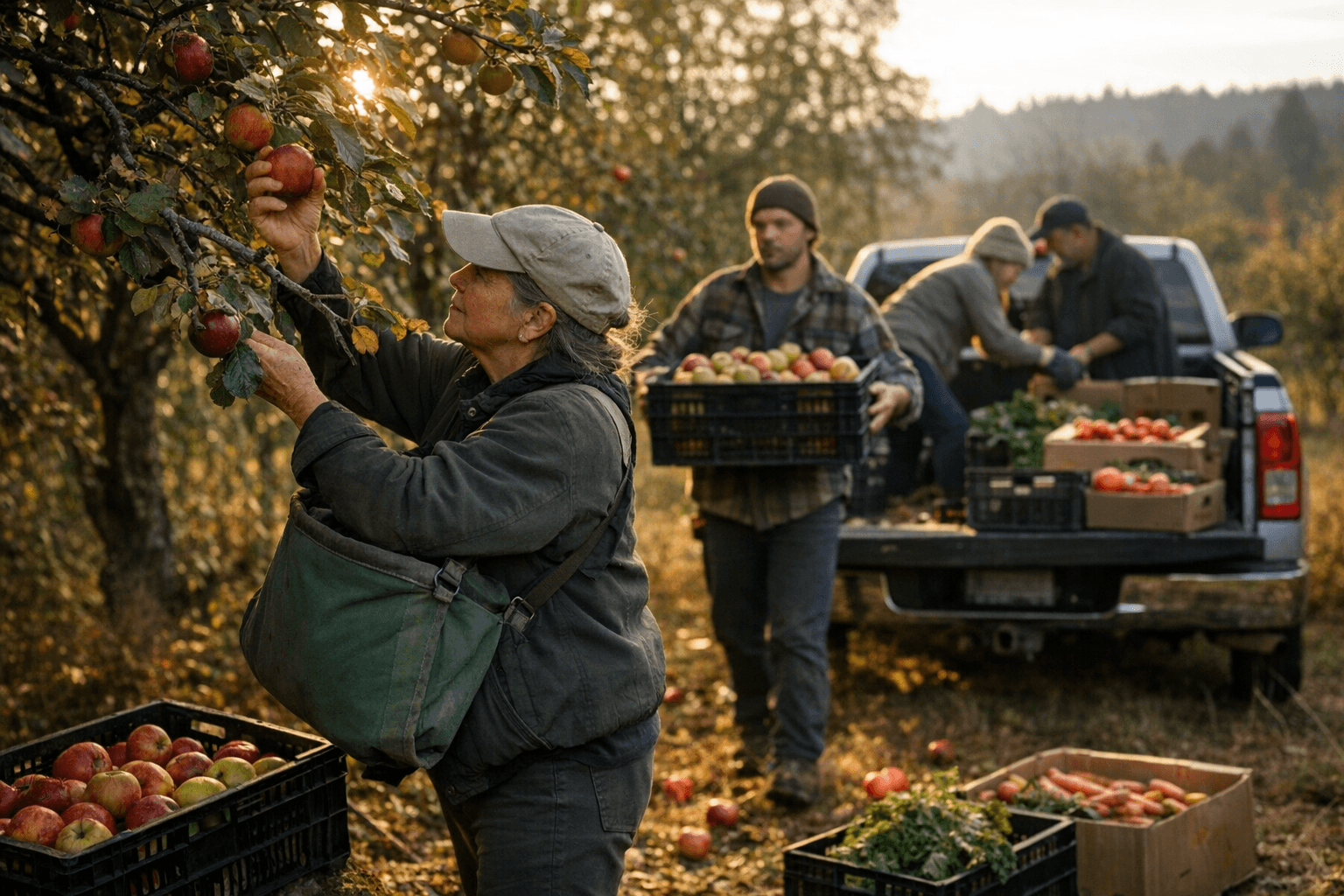
Volunteers with the Eugene Area Gleaners were out in force on December 26, harvesting excess fruit and vegetables from yards, community orchards, and partnering farms and carrying those donations directly to local kitchens, pantries, and community events. The nonprofit, founded in 2009, operates year round to bridge the gap between surplus food and households facing food insecurity in Eugene and nearby communities in Lane County.
The organization relies on a network of volunteer coordinators who schedule collections, lead harvest teams, sort produce, and arrange deliveries. Partnerships with small farms and community gatherings help expand the stream of fresh produce beyond backyard donations, turning food that might otherwise be wasted into immediate nutritious options for neighbors. Volunteers also shift their work to meet seasonal need, providing crucial supply after the holidays when demand often remains elevated and traditional distributions may slow.
This practical redistribution has public health implications. Fresh fruit and vegetables are essential for preventing and managing chronic conditions such as diabetes and heart disease, conditions that disproportionately impact lower income households. By increasing access to fresh produce, community gleaning complements formal food assistance and contributes to healthier diets in populations that face barriers to grocery access. The program also reduces food waste, which has environmental and climate consequences that affect community health over time.
The Gleaners work highlights deeper systemic issues around food access and equity. Reliance on volunteer labor and goodwill can leave supply chains fragile, particularly in winter months when harvests are smaller and volunteer availability can dip. The organization’s role underscores the need for sustained public investment and policy support that can stabilize grassroots food recovery efforts and integrate them into broader food security strategies. Local health care and social service systems can benefit from stronger partnerships with community based food programs to address the root causes of hunger and poor nutrition.
For many Lane County residents the impact is immediate. Families receive produce they might not be able to afford, community meals serve a wider variety of fresh fare, and farmers who face surplus at the end of a season find a route to give back. As the Gleaners move into the new year, their work remains a reminder that local solutions to food insecurity rely on community labor, cooperative relationships, and policy frameworks that support equity and health for all residents.
This article was produced by Prism’s automated news system from verified source data, official records, and press releases, then run through automated quality and moderation checks before publishing. The system is built and supervised by the people who set the standards it runs under. Read our full AI policy.
Did this article answer your question?


