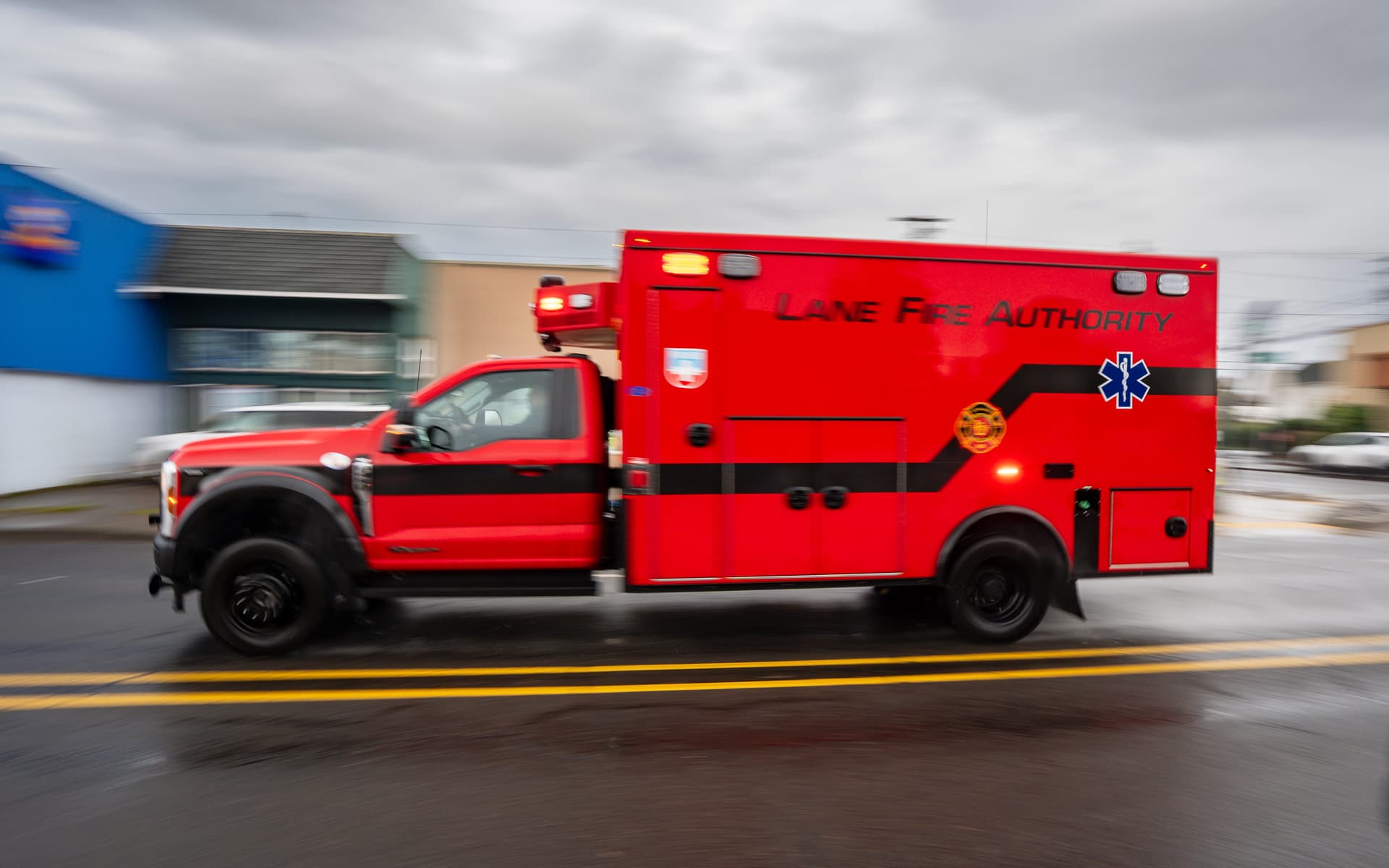
Eugene boosts funding for Willamette Street affordable housing project
Eugene added $8.66 million to turn the former LCC Downtown Center into 133 apartments, including 68 affordable homes, across from the bus station.
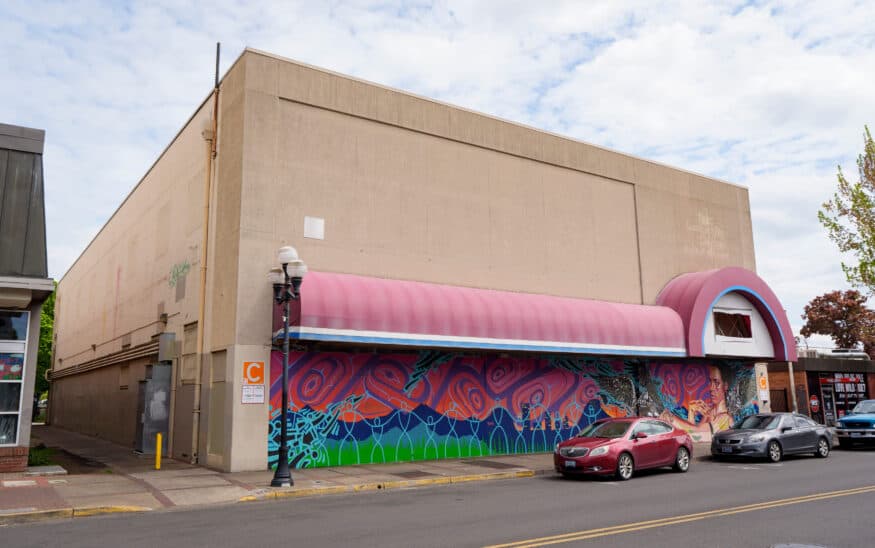
Eugene’s former Lane Community College Downtown Center on Willamette Street is moving toward a 133-unit overhaul after City Council, acting as the Urban Renewal Agency Board, approved another $8.66 million for the project on June 22. The six-story mixed-use building at 1059 Willamette Street is planned to include 68 apartments for households earning up to 80% of area median income, 65 market-rate units, ground-floor commercial space, a public gallery and a mural.
The added money brings total City of Eugene and urban renewal support to $10.5 million for a $38.7 million development. The dollars come from Downtown Urban Renewal funds, which are limited by law to redevelopment work inside the downtown district and cannot be used for general city services.
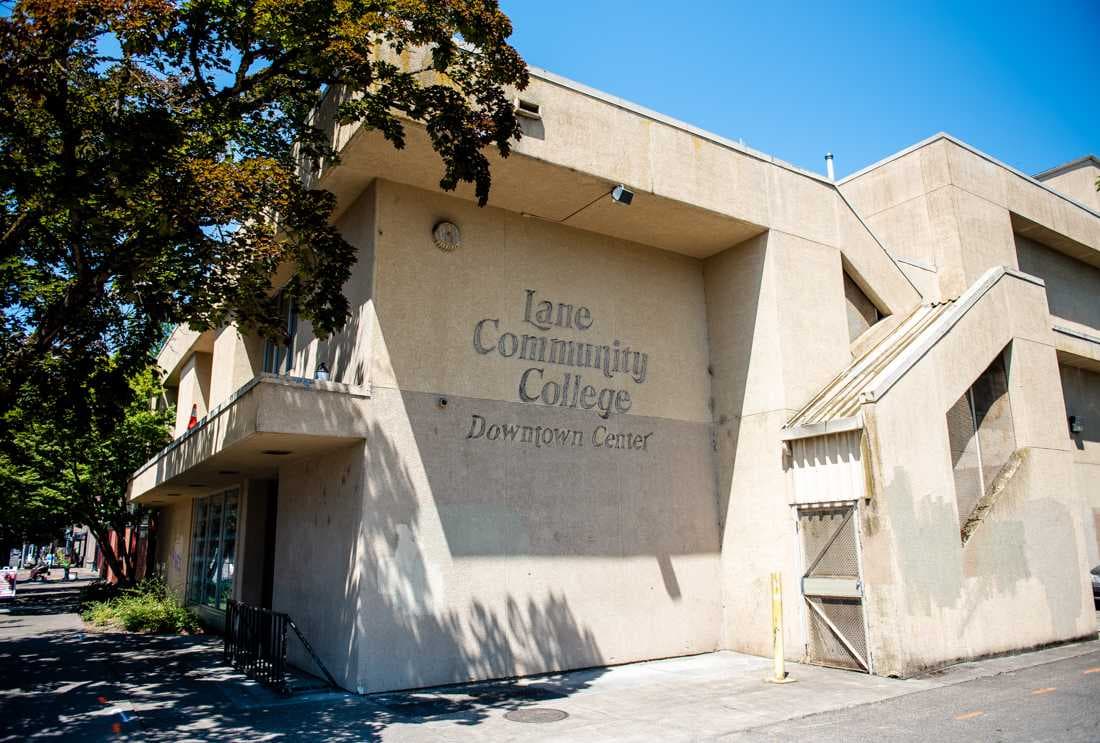
The project would replace the building across from the bus station with housing. Lane Community College used the site until 2012, when it moved its downtown operations to 10th and Olive. The city first pursued the property in 2019, then bought it in April 2020 using federal Community Development Block Grant money before seeking proposals for redevelopment.
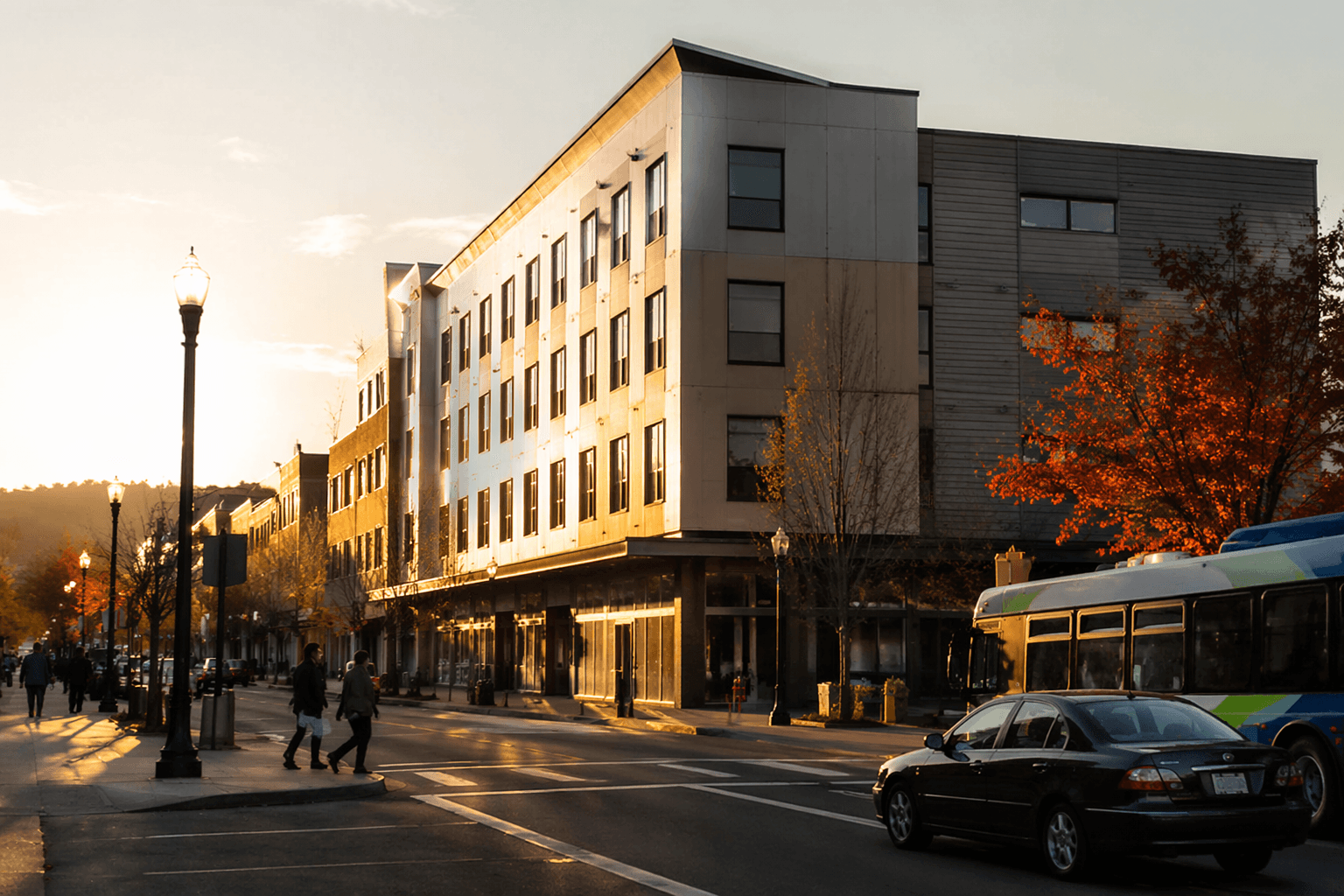
In January 2026, City Council extended the closing deadline by six months so deChase Miksis and Edlen & Company could put together the additional financing request. The gap remained because developers and lenders were confronting high interest rates, high construction costs and an unpredictable market, while federal affordability rules also limit how much rent can rise in subsidized housing.
The 80-year-old structure contains lead and asbestos, and demolition costs were estimated at about $1 million. Earlier versions of the plan called for 129 apartments with 66 income-qualified homes and 63 market-rate units; the updated design adds four more apartments and increases the affordable share to 68.
Mayor Knudson said at a June 22 work session that the city has long wanted workforce housing, transit-oriented development, dense all-electric urban buildings and projects with social benefits. The next step is finalizing the property transfer within three months. Construction is expected to begin soon after.
This article was produced by Prism’s automated news system from verified source data, official records, and press releases, then run through automated quality and moderation checks before publishing. The system is built and supervised by the people who set the standards it runs under. Read our full AI policy.
Did this article answer your question?