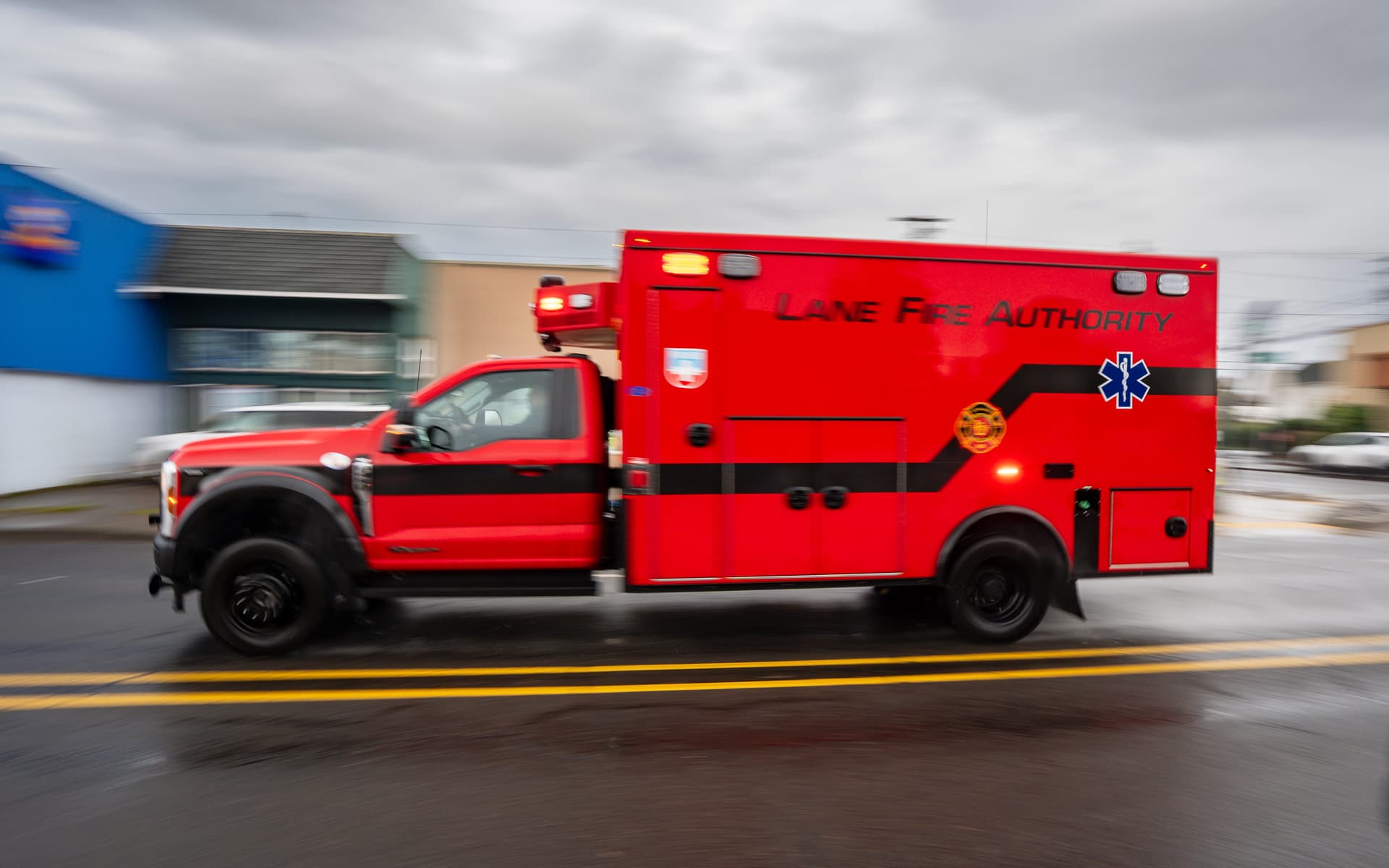
Eugene police step up May traffic enforcement for red lights, seat belts
Eugene police began a May crackdown on red-light runners and seat-belt violations, with $150 presumptive fines and child-passenger rules carrying bigger stakes.
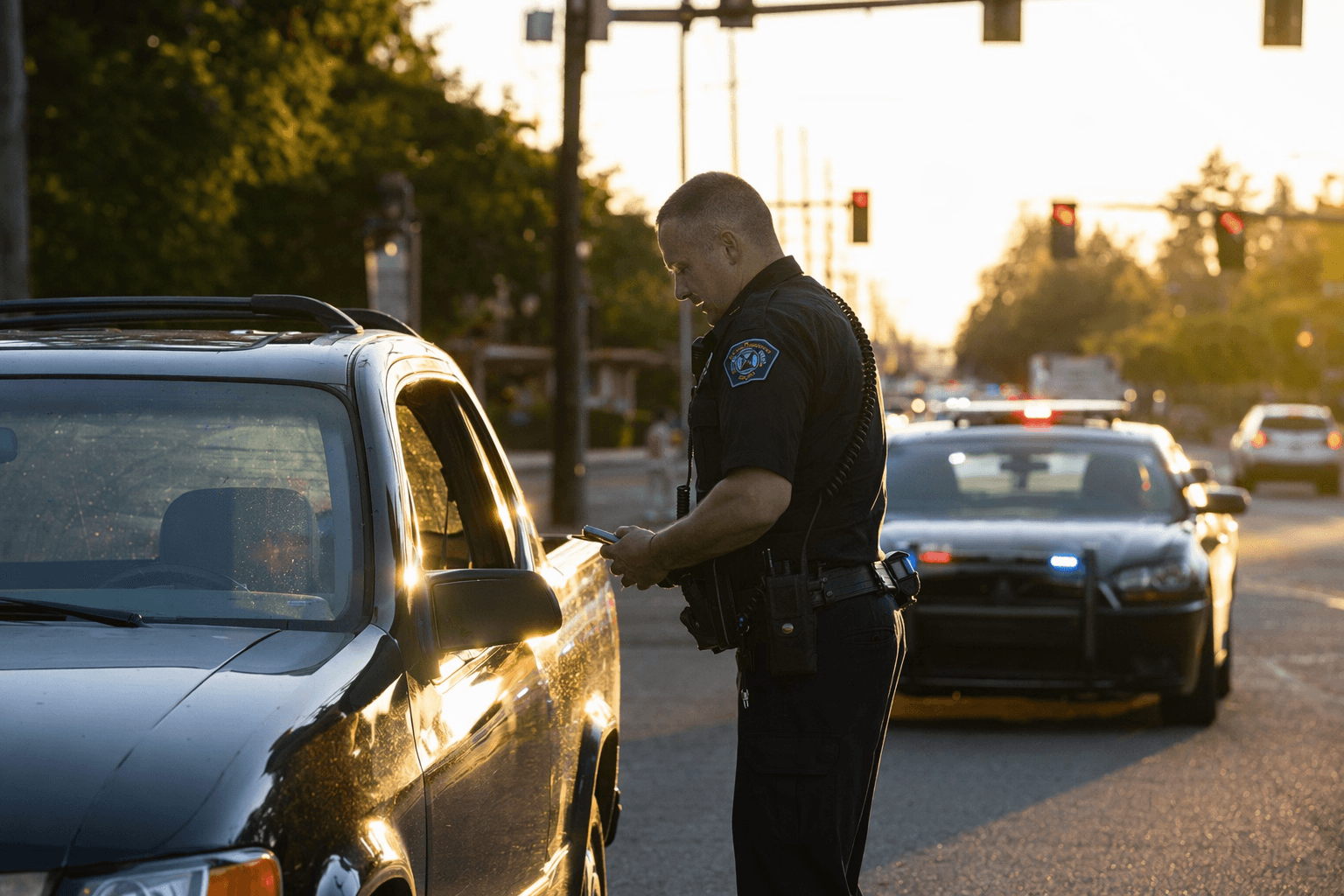
Eugene drivers heading into May faced a citywide traffic push aimed at two habits that police say are feeding crash trends: running red lights or stop signs, and skipping seat belts. The Eugene Police Department said its Traffic Safety Unit, patrol officers and participating law-enforcement agencies would step up enforcement across the city after a noticeable increase in some types of crashes pushed traffic safety to the front of the department’s 2026 agenda.
The May campaign focused on failure to obey a traffic control device and failure to use a seat belt. Eugene police said the effort was not limited to one shift or one neighborhood. All patrol units were part of the 2026 plan, with each month built around a primary driving behavior, a secondary behavior and an equipment violation. April’s themes were distracted driving, disobeying traffic control devices and illegal window tint.

Traffic Safety Unit officers have been using saturation patrols for red-light runners, seat-belt safety blitzes and crosswalk pedestrian-safety operations as part of that broader strategy. The city’s traffic-safety messaging also underscores the practical stakes: obey posted speed limits, stop for pedestrians in crosswalks and respect stop signs to keep traffic moving safely and reduce conflicts at intersections.
The seat-belt focus carries direct financial consequences. Eugene’s May notice puts the presumptive fine at $150, while Oregon treats a seat-belt violation as a Class D traffic violation with fines that can reach $265, along with possible effects on a driving record and insurance. Sgt. Nate Pieske said vehicle technology cannot compensate for unrestrained passengers, a warning that lands especially hard as summer travel and school-run traffic pick up across Lane County.
Child passenger rules are part of the same safety picture. Oregon requires infants to ride rear-facing until at least age 2. Children must keep using an approved child safety seat until they are 8 years old or at least 4 feet, 9 inches tall, and children over 2 must continue in a harnessed seat until they weigh at least 40 pounds. After that, the adult lap-and-shoulder belt has to fit correctly before a child can move out of a booster.
Police also reminded cyclists that bicycles are legally vehicles in Oregon, with the same rights and duties as drivers, except for specific exceptions. Under the state’s Stop as Yield law, riders may slow, check for cross traffic and proceed without a full stop at certain stop signs and flashing red lights when the law allows it.
This article was produced by Prism’s automated news system from verified source data, official records, and press releases, then run through automated quality and moderation checks before publishing. The system is built and supervised by the people who set the standards it runs under. Read our full AI policy.
Did this article answer your question?