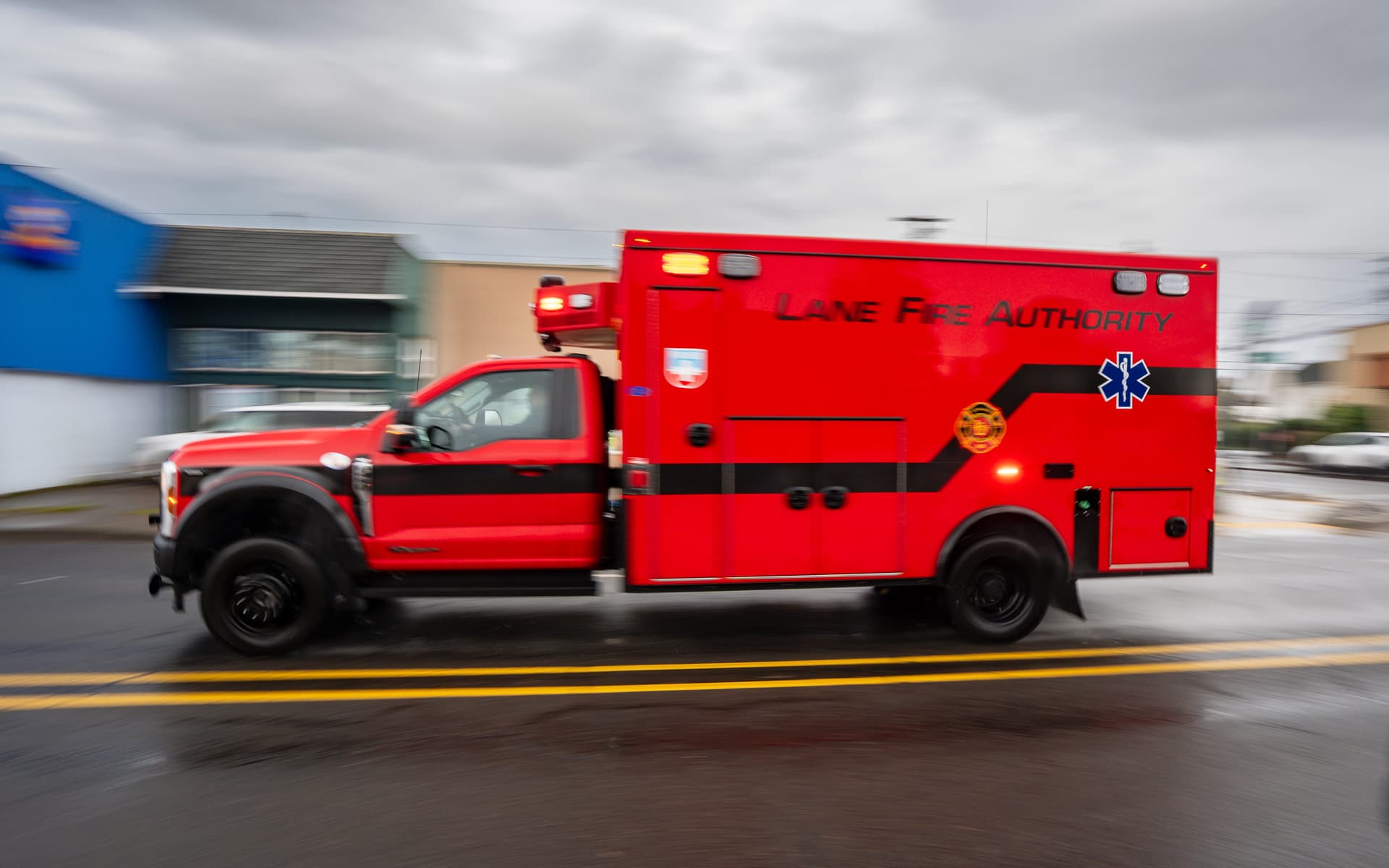
Eugene traffic deaths fall 55%, city reports 10 fatalities in 2025
Eugene cut traffic deaths to 10 in 2025, but every fatal crash still happened on arterials and at least 60% involved drugs or alcohol.
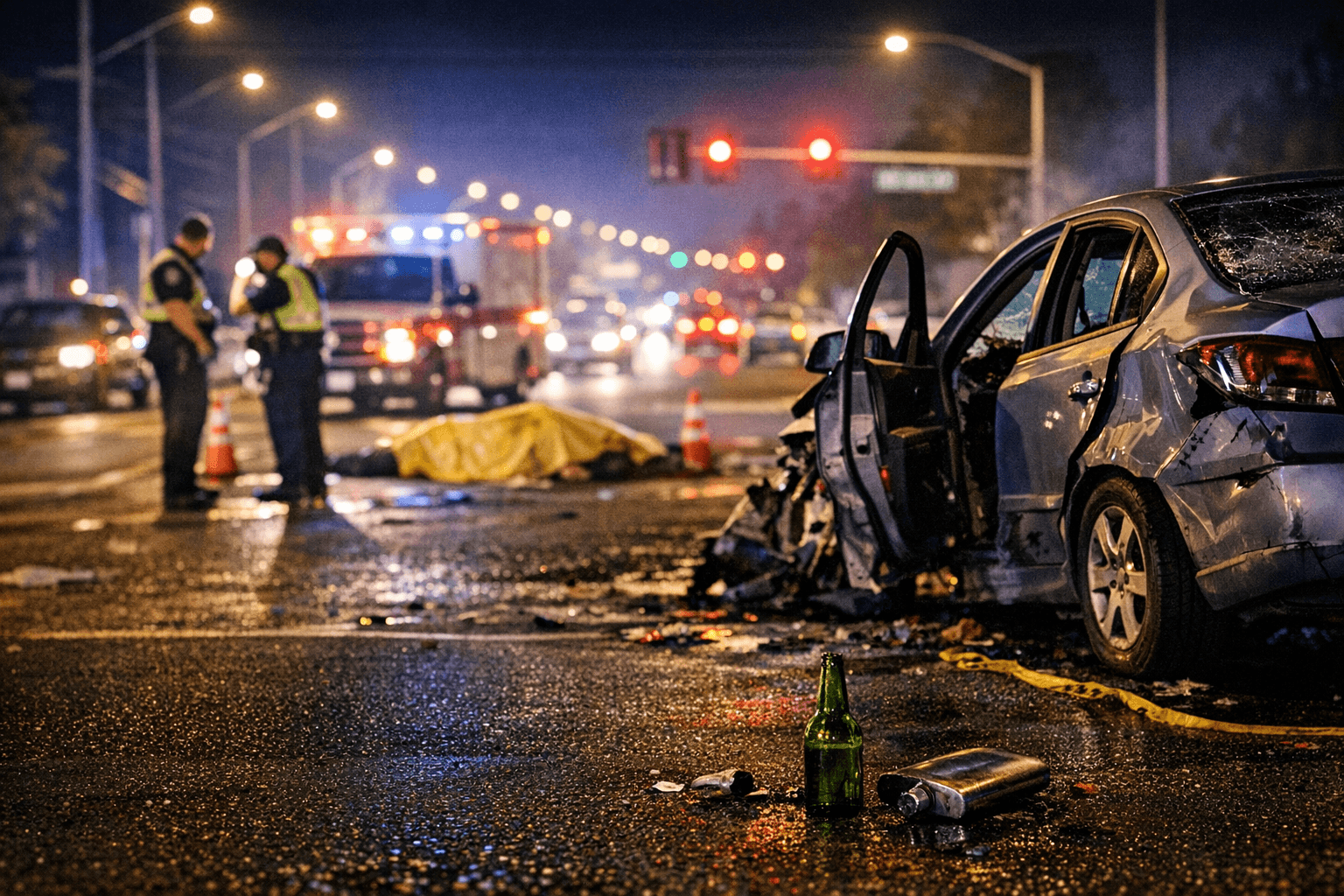
Eugene’s traffic death toll fell sharply in 2025, but the city’s own crash report makes clear that the danger remains concentrated on the same high-speed corridors that have long worried officials and neighbors. Ten people died on city streets last year, down from 22 in 2024, a 55% drop and the first year-over-year decline in fatalities since 2020. Even so, city leaders are treating the result as a warning sign, not a victory lap, because 10 deaths still meant 10 families lost someone on roads that the city says are still too deadly.
The 2025 Eugene Fatal Crash Report uses preliminary crash data from the Oregon Department of Transportation within the Eugene Urban Growth Boundary and compares it with recent trends. That broader picture matters because 2024 was the highest year on record, and the city said 2022 through 2024 produced the worst three-year fatal-crash total it has ever recorded. Eugene has framed its response through Vision Zero, the policy adopted by the City Council in November 2015 and formally carried into an administrative action plan in March 2019, with a goal of eliminating traffic deaths and serious injuries by 2035.
The pattern behind the numbers has not changed much. In the city’s 2022-2024 report, 88% of fatal crashes involved arterial streets, even though arterials make up only 20% of Eugene’s street network. Speed was a factor in 36% of those 50 fatal crashes, either because a driver was above the limit or too fast for conditions. In the 2025 report, the city said 100% of fatal crashes involved arterial streets such as Highway 99, River Road, 11th Avenue and 18th Avenue, and at least 60% involved drugs or alcohol. The city’s message is blunt: the biggest risks are still the big roads, the high speeds and the behaviors that turn routine trips into deadly ones.
That is why Eugene is pairing the lower fatality count with a new round of street changes. On March 17, 2026, the city announced transportation safety projects across River Road, South Eugene, Bethel, Downtown Eugene, Cal Young and the Whiteaker, including flashing crosswalks, protected bikeways, buffered bike lanes, sidewalk upgrades and traffic calming. One of the most prominent efforts is the Martin Luther King Jr. Boulevard Transit and Safety project, which the city says is a low-cost fix for a corridor that saw four fatalities and 26 life-changing injuries between 2007 and 2021. Eugene also adopted a 20 mph neighborhood speed ordinance in 2020, part of a broader strategy to reduce the severity of crashes before they become fatal.
“We are encouraged by this decrease but also recognize that 10 lives lost is still too many,” Vision Zero planner Logan Telles said. Mayor Kaarin Knudson has said community support for transportation safety projects can help reduce fatalities, and the city’s latest numbers suggest Eugene is making progress without yet solving the underlying problem.
This article was produced by Prism’s automated news system from verified source data, official records, and press releases, then run through automated quality and moderation checks before publishing. The system is built and supervised by the people who set the standards it runs under. Read our full AI policy.
Did this article answer your question?