Eugene weakest among comparable Northwest cities; county projects 0.5% annual growth
An advisory committee says Eugene’s economy is weakest among comparable Northwest cities; Lane County projects just 0.5% annual job growth, raising budget and housing concerns for residents.

A new advisory report warns that Eugene trails similar Northwest cities on key economic and social measures while Lane County projects only modest job growth over the next decade, a combination that city officials say complicates budget planning and housing supply.
The report found that “Eugene's economy is the weakest of comparable cities, and fixing the city of Eugene's budget means changing that, an advisory committee said in a new report.” Compared with five peer cities, Eugene ranked highest for share of renters, highest for share of people who are homeless, highest for people in poverty, and second-lowest for median household income. Those rankings underpin the advisory group’s argument that the city must pursue targeted economic growth to steady municipal finances.
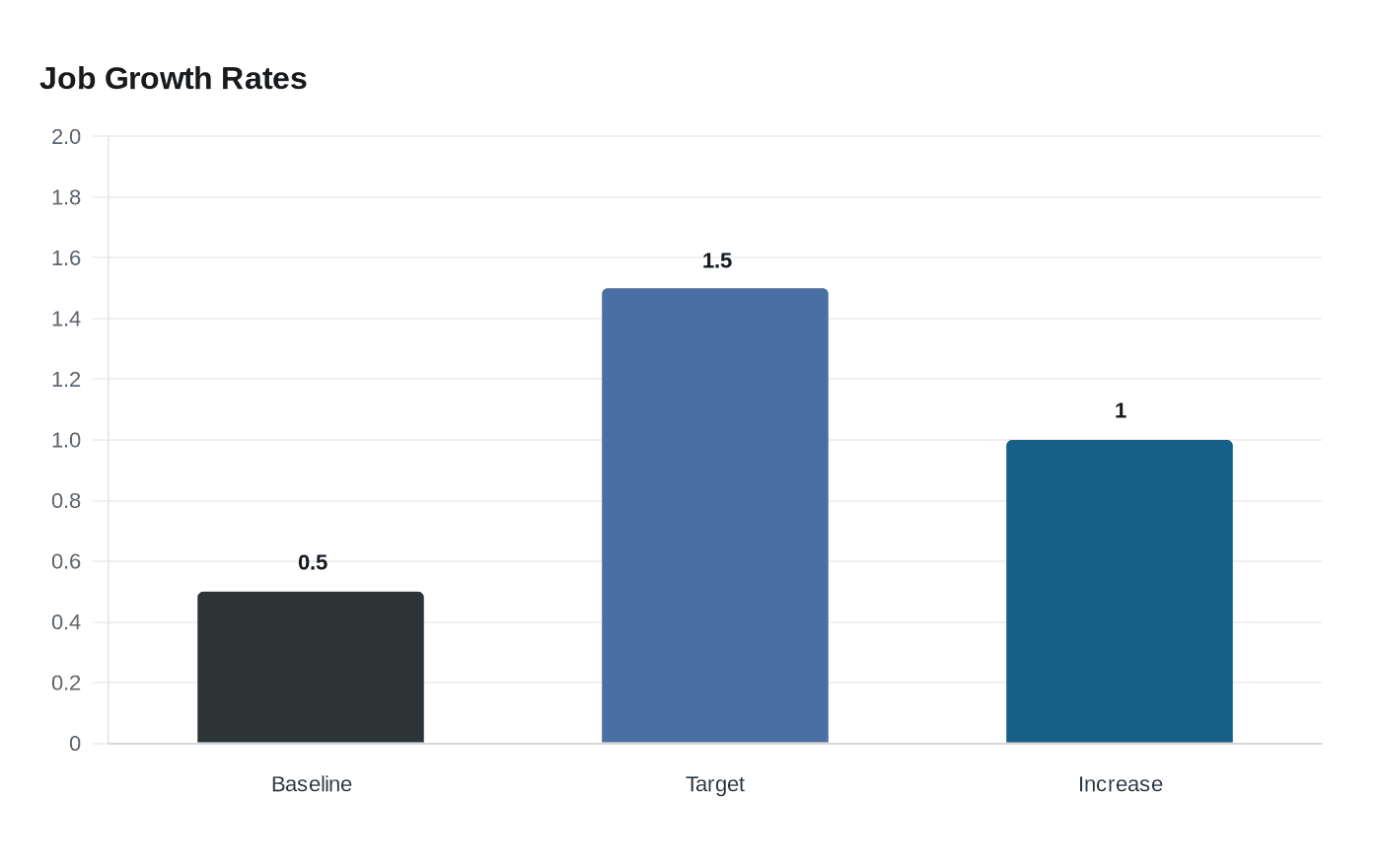
Lane County projects job growth in the county will average about 0.5% annually over the next 10 years, a baseline the report and county planners warn is unlikely to produce the tax revenue needed to close budget gaps or finance expanded services. The Technical Advisory Group, formed by former City Manager Sarah Medary “in May” after the city averted sweeping budget cuts by increasing stormwater fees, produced 20 recommendations; 10 focus specifically on growing Eugene’s economy. The group is described as “primarily local business leaders” and was charged to develop recommendations “to stabilize the City of Eugene's budget and to grow the City in a fiscally sustainable way.”
At a presentation to City Council on Feb. 9 (some accounts list Feb. 9–10), the advisory group laid out practical steps intended to lift the city beyond the 0.5% baseline. The report lists recommendations that call for stronger partnerships and housing action, including: “Coordinate with organizations in the area (the University of Oregon was the one example listed) to enhance those advantages.” “Market Eugene's advantages to prospective employers.” “Work with the Eugene Water and Electric Board and the local school districts and health care providers to ensure they provide the physical and social infrastructure to support growth.” And “Expand housing supply.” The full report is posted on the City of Eugene website for public review.
The advisory group also offered a growth scenario that it says would materially change local outcomes, though the numbers published contain internal inconsistencies and need clarification from the group’s economic model. “If Eugene can increase this to 1.5%, this would mean 9,624 more jobs and approximately 14,000 more jobs than there are now. The group said that would generate approximately $25 million more in annual taxes for the city.” City staff and TAG members will need to reconcile whether the two job figures refer to different baselines or reflect a drafting error and to explain the tax calculation.
For Eugene residents, the stakes are tangible: slower job growth and persistent poverty and homelessness pressure the general fund, affect housing affordability, and limit resources for public safety and social services. City Council must now decide which of the 20 recommendations to adopt and how to coordinate with partners such as the University of Oregon, EWEB, school districts and health-care providers. The path the council chooses will determine whether Eugene pursues incremental stability around a 0.5% growth path or chases more aggressive targets to expand jobs and municipal revenue.
This article was produced by Prism’s automated news system from verified source data, official records, and press releases, then run through automated quality and moderation checks before publishing. The system is built and supervised by the people who set the standards it runs under. Read our full AI policy.
Did this article answer your question?