Eugene's forgotten zoos once drew crowds at Hendricks, Skinner Butte parks
Families now use Hendricks and Skinner Butte for gardens and trails, but those same Eugene parks once held city zoos with bears, elk and monkeys.
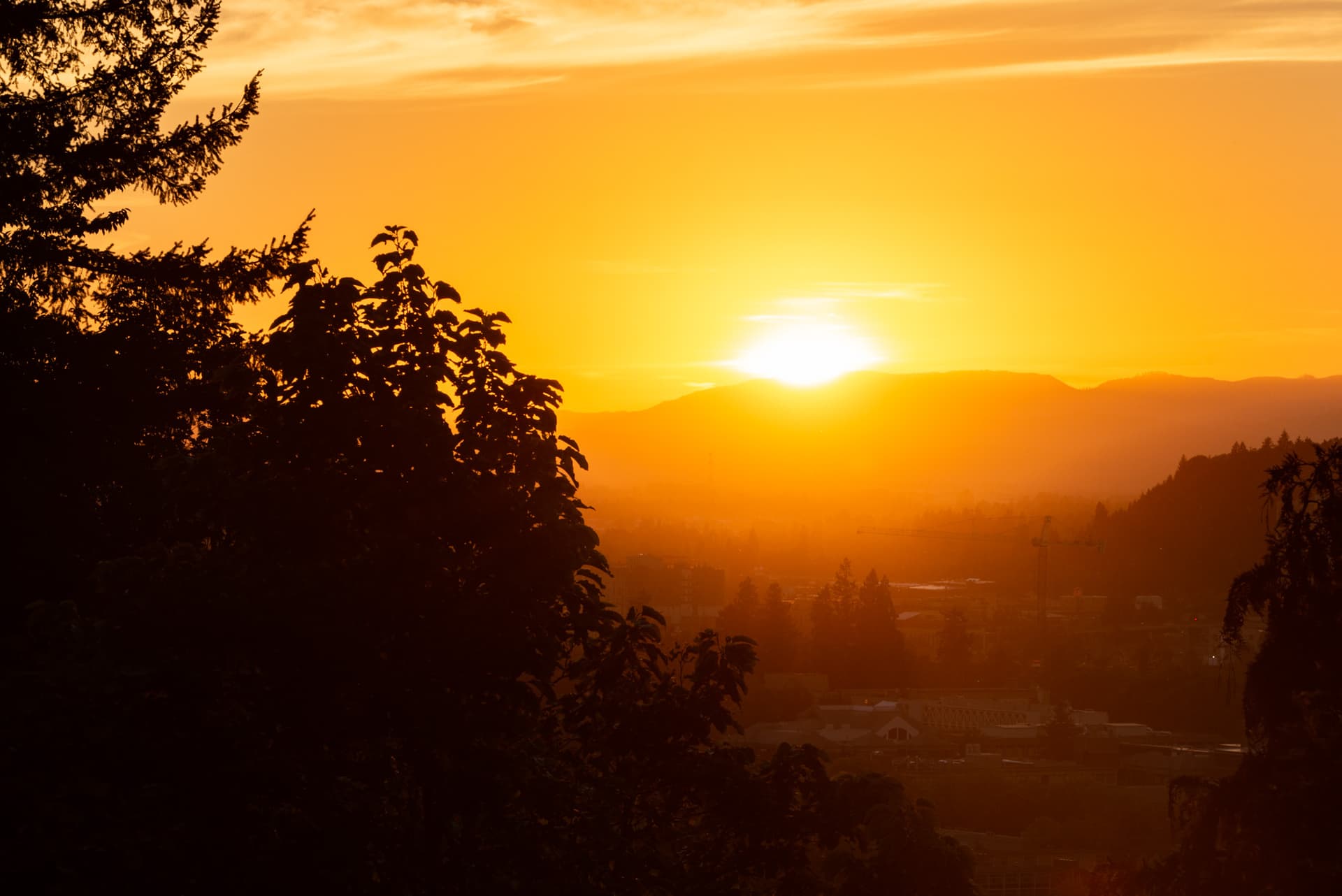
Walk through Hendricks Park’s rhododendron garden or climb Skinner Butte’s paths today and you see picnics, flowers and city views, not cages. Yet Eugene once kept two zoos in those same parks, and visitors walking past now would find no visible trace that bears, monkeys, elk and deer ever lived there.
Where Eugene put its zoos
The old zoo sites were not separate attractions tucked far from town. They sat inside Hendricks Park and Skinner Butte Park, two places that most Lane County residents now know as ordinary public green space. Skinner Butte Park is listed by the city at 248 Cheshire Ave., and its hillside setting above the Willamette River makes it feel like a recreation area first and foremost.
Hendricks Park has an even deeper civic history. It was established in 1906, when Martha and Thomas Hendricks deeded 47 acres to the city of Eugene and the city bought another 31 acres to finish what became Eugene’s first city park. The Friends of Hendricks Park say the landscape changed over time as the site was transformed into the oldest park in the city.
What people saw there
The collections in those parks were small by modern zoo standards, but they were real enough to draw crowds. At Hendricks Park, one historical account says there was a small area with pens for elk, Sitka deer and sheep. The zoo at Skinner Butte was broader and more varied, with animals that at different times included black bears, elk, bobcats, coyotes, monkeys, porcupines, raccoons, skunks and ducks.
The start of the Skinner Butte zoo is described in more than one way, but all of the accounts place it in the early 20th century. One historical snippet says it began around 1906, when Eugene firemen gave the city a young bear as a mascot. Another places the Eugene Parks Department’s zoo there in 1916 and says it became home to bears, elk, bobcats and coyotes. A local-history note remembers the last two bears as Betty and Buster, with Fang the monkey alongside them.
How Eugene’s park zoos faded out
The city kept both park zoos running until the 1970s, but the idea behind them belonged to another era. Public parks once served more than passive recreation, and Eugene’s park land was used as an attraction that could bring families, entertain children and give the city something unusual to visit. Over time, that model gave way to parks centered on trails, gardens, overlooks and open space.
Changing ideas about animal welfare and park planning also helped push the zoo era out of city life. What may once have seemed like a neighborhood curiosity later looked outdated, difficult to maintain or out of step with the way people wanted to use public land. The result is that the old enclosures disappeared while the parks themselves stayed in use.
What remains today
Almost nothing physical is left to mark the zoo years. The most obvious traces are in the park layouts themselves and in the memories preserved by local history, not in fences, pens or animal houses. That absence is part of the story: the same ground that once held exhibits now serves everyday recreation.
Today, Hendricks Park is best known for its rhododendron garden and native plant garden, which keeps the site firmly in the realm of walking, flowers and seasonal color. Skinner Butte Park, at 248 Cheshire Ave., is now read as a city park with views and access rather than an animal exhibit. The name itself reaches back to Eugene Skinner, who arrived in 1846 and described the valley as “beautiful, surrounded by these hills, reminding me of a bird’s nest.”
That shift from zoo ground to ordinary parkland is why the story still lands locally. Eugene’s parks did not just change functions over time, they changed the way residents experience the same landscape, turning a once-unusual civic attraction into places people now pass through without realizing what stood there before.
This article was produced by Prism’s automated news system from verified source data, official records, and press releases, then run through automated quality and moderation checks before publishing. The system is built and supervised by the people who set the standards it runs under. Read our full AI policy.
Did this article answer your question?