EWEB moves ahead with second Willamette water intake in Glenwood
Eugene’s taps could get a second lifeline in Glenwood, a backup source meant to keep water flowing through wildfire, ice storms, drought and seismic disruption.

Eugene’s water system is moving toward a second Willamette River intake in Glenwood, a redundancy project meant to keep drinking water flowing if wildfire, ice, drought or a major outage knocks out the city’s only source.
The Springfield City Council approved the proposal at its June 1 meeting, following unanimous March 17 recommendations from the Springfield and Lane County planning commissions on the Glenwood code and plan changes needed for the site. The proposed facility would sit near the Willamette and Coast Fork Willamette confluence, with a raw-water intake, pump station, treatment plant and transmission main near Knickerbocker Bridge.
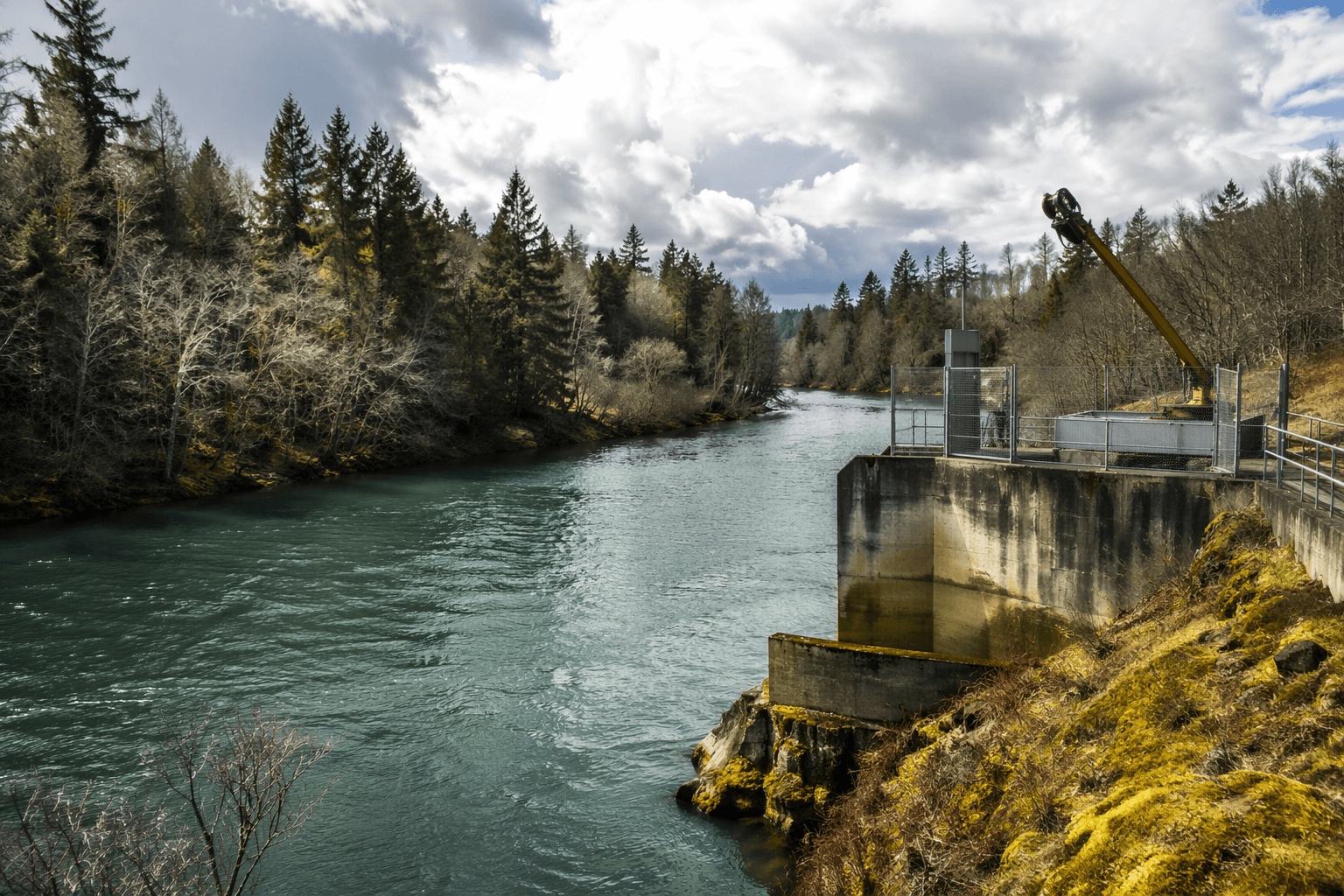
EWEB says it has studied second-source options for decades and, after technical investigations, capacity studies and risk and reliability assessments, concluded that the Willamette River is the best option for a second drinking-water source. The utility says Eugene is one of the largest communities in the Pacific Northwest still relying on a single source of potable water, and its storage system provides only about one to three days of water under normal conditions.
That narrow margin has become harder to ignore after the 2020 Holiday Farm Fire and the 2024 ice storm, both of which exposed how vulnerable a single-source system can be. EWEB has said the new source could allow the utility to recover from a seismic event within 24 hours, a faster reset than the current Hayden Bridge plant can provide. The utility also says the project is about redundancy, not primarily about growth.
The plan has been in motion for years. EWEB submitted a Joint Permit Application in September 2024 and bought land near the river confluence several years ago. The utility has said the project will likely cost about $97 million to $100 million, serve roughly 200,000 customers, and be paid for through a mix of rates, bonds and outside grants or loans.
For Glenwood neighbors and EWEB ratepayers, the next questions are practical: how quickly permitting and design move, how much the final bill rises, and what environmental conditions come with building on the river. The council vote and the planning commission recommendations show the debate has shifted from whether Eugene needs a second source to how it will pay for, permit and build one.
This article was produced by Prism’s automated news system from verified source data, official records, and press releases, then run through automated quality and moderation checks before publishing. The system is built and supervised by the people who set the standards it runs under. Read our full AI policy.
Did this article answer your question?