EWEB warns Eugene residents air conditioning will raise bills in heat wave
Running an air conditioner around the clock could add about $26 a week to Eugene bills as temperatures climb toward 100 degrees. EWEB says a ductless heat pump costs about $12 a week and uses less power.

A weekend heat wave could show up first on Eugene electric bills. EWEB says a typical room air conditioner running nonstop in Eugene can add about $26 a week to a household bill, while a ductless heat pump cooling around the clock costs about $12 a week.
That difference matters as temperatures rise across Lane County. The National Weather Service office in Portland has issued a Heat Advisory and Extreme Heat Warning for June 14 through June 16, with daytime highs forecast to range from 92 degrees to 100 degrees across much of the Willamette Valley and overnight lows between 63 degrees and 67 degrees.
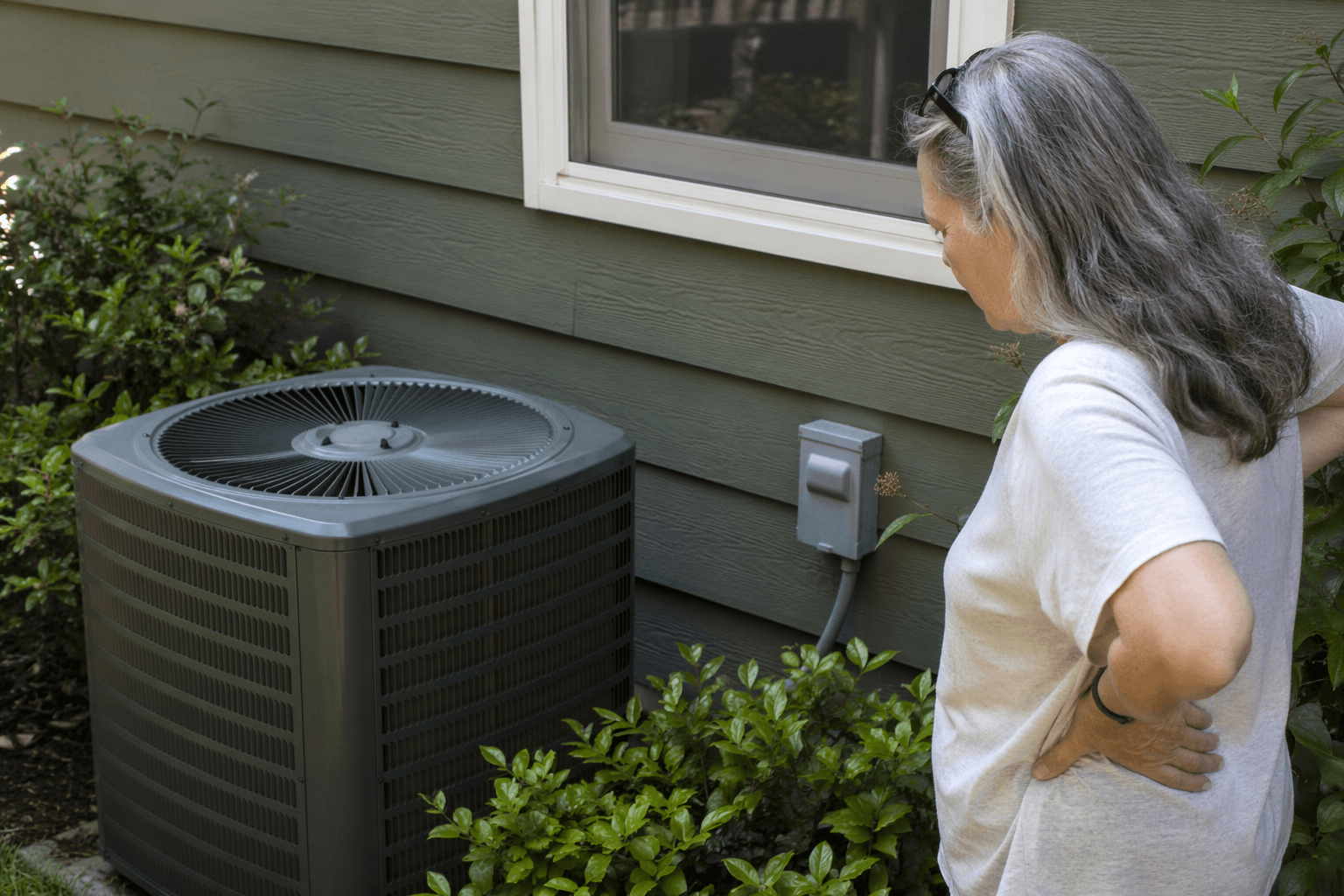
EWEB says sustained heat drives up electricity use at the same time many homes are cooling hardest, creating peak demand events that strain the regional grid. Peak electricity is also more expensive, the utility says, which can raise both wholesale power costs and the infrastructure costs that ultimately flow through to customer bills. When temperatures near or exceed 100 degrees, EWEB warns transformers and underground cables are more likely to fail, and underground repairs can take longer than overhead work.
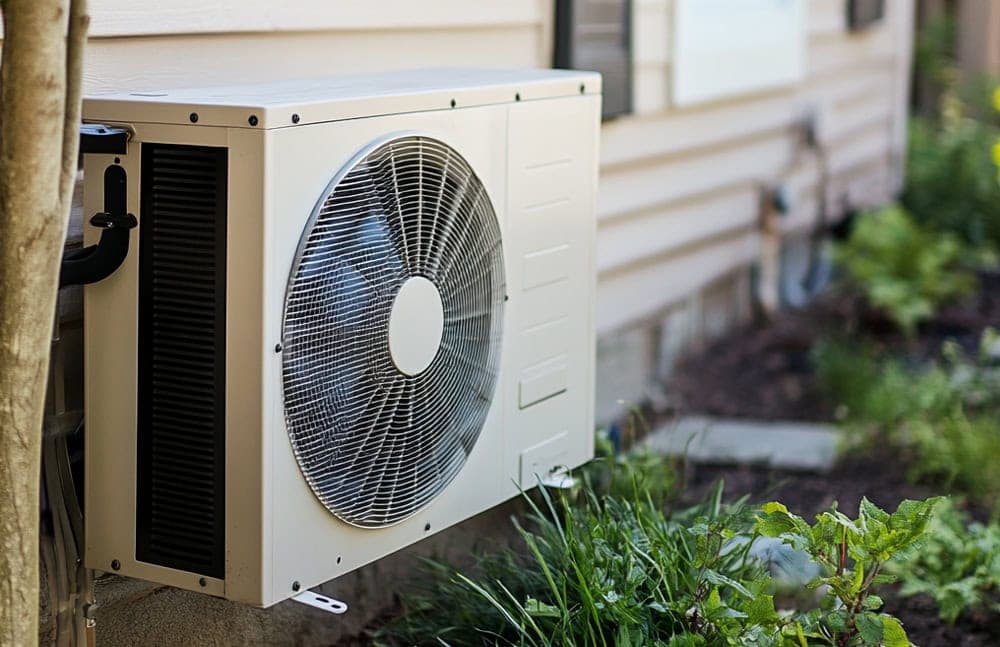
The Oregon Health Authority says extreme heat illnesses are preventable, but residents should watch for heat exhaustion symptoms such as dizziness, nausea, heavy sweating and a fast, weak pulse. Heat stroke, marked by a body temperature above 103 degrees, is a medical emergency and requires a call to 911.
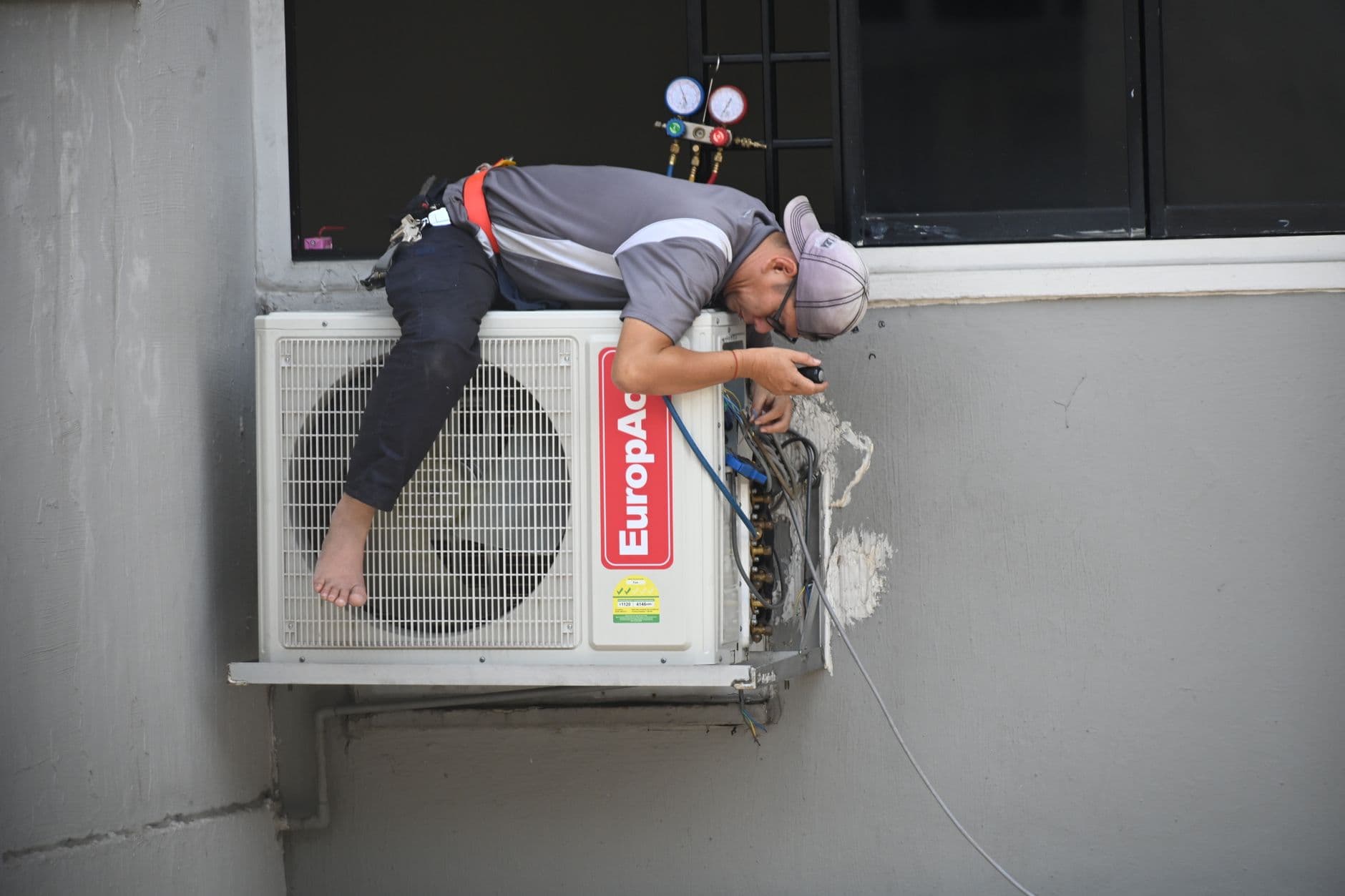
EWEB’s advice focuses on using less power during the hottest part of the day. The utility recommends closing windows during the heat of the afternoon, opening them at night when temperatures drop, using fans and window coverings, and shifting appliance use to off-peak hours. It also offers rebates and loans for efficiency upgrades that can lower long-term costs, including insulation, windows and high-efficiency heating and cooling systems.
For Eugene households facing another hot stretch, the basic math is blunt: the cheapest cooling choice is the one that uses less power before the bill lands.
This article was produced by Prism’s automated news system from verified source data, official records, and press releases, then run through automated quality and moderation checks before publishing. The system is built and supervised by the people who set the standards it runs under. Read our full AI policy.
Know something we missed? Have a correction or additional information?
Submit a Tip