Florence Crews Remove 80 Rental E-Scooters Under New City Ban
Florence crews pulled 80 rental e-scooters off city streets in a single day, enforcing a new ban targeting commercial fleets while leaving privately owned scooters untouched.
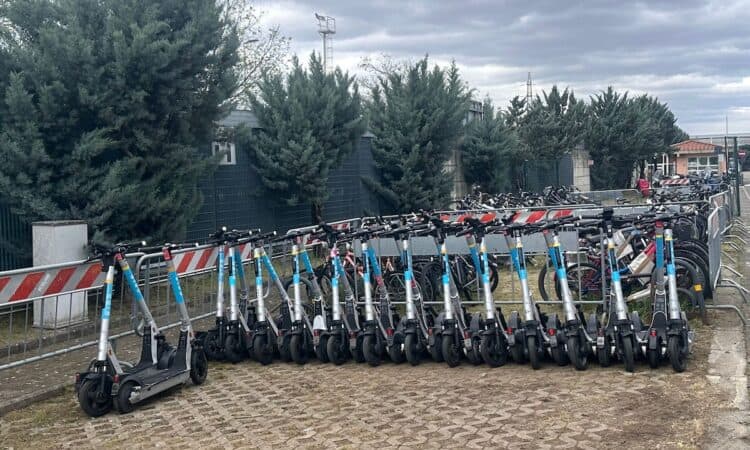
Florence municipal crews collected roughly 80 commercial e-scooters from city sidewalks and streets on April 1, completing the first day of enforcement under the city's new ban on dockless rental fleets. The sweep marked the most concrete action yet after the city council approved rules restricting third-party micromobility vendors from operating shared devices on public right-of-way.
The ban targets only commercial rental services, the kind deployed by outside companies for short on-demand trips, not personally owned electric scooters. Residents and visitors with private scooters may continue riding under existing traffic, helmet, and parking rules. That distinction reflects the city's stated intent: not to block alternative transportation outright, but to reassert control over sidewalk space that city staff had flagged as increasingly cluttered and difficult to manage.
Florence's decision to act now, with tourism season approaching, is not incidental. The coastal city draws a substantial summer influx each year, and city leaders have been wrestling with how to keep pedestrian routes clear through the historic downtown and along beach access corridors while still accommodating visitors who want options beyond a car. Rental scooters had generated parking and obstruction complaints from both residents and businesses, and city crews identified them as a recurring maintenance and safety challenge.
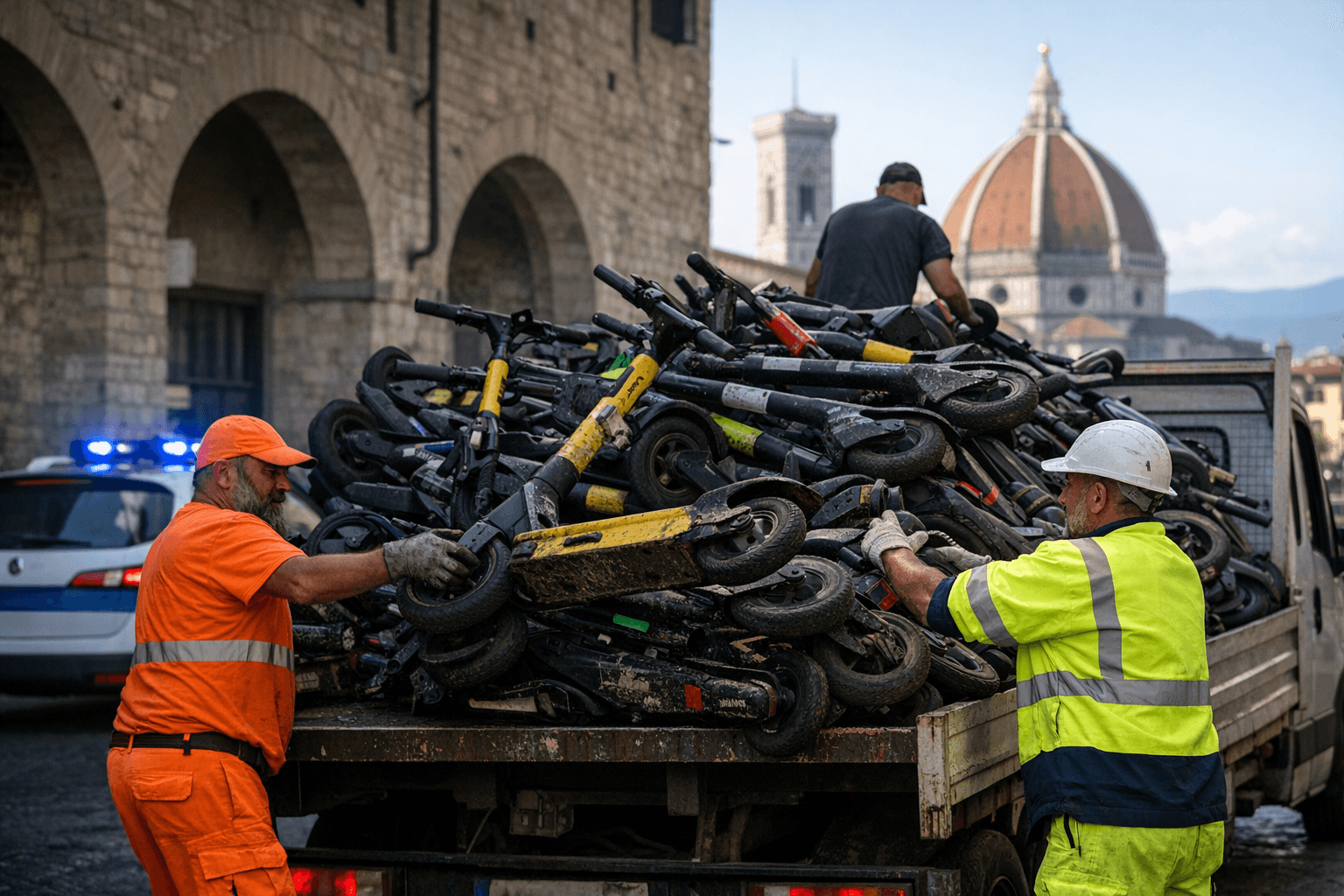
Florence is not alone in reaching this conclusion. A growing number of Oregon coastal communities have moved to restrict or eliminate rental-based scooter fleets, part of a broader reckoning across the West over how cities govern shared vehicles that commercial operators deploy quickly and with limited local coordination. The tension is familiar: micromobility advocates argue the devices reduce car trips and improve accessibility, while local governments often find themselves absorbing the enforcement costs of poorly parked or abandoned hardware.
The more nuanced path, which rental operators and mobility advocates typically propose, involves negotiated parking zones, geofenced speed limits, permitting fees, and revenue-sharing agreements rather than outright prohibition. Whether Florence revisits that framework depends on how the coming months play out. City officials have indicated they will monitor impacts as the tourism season ramps up and have left the door open to future policy adjustments, including the possibility of designated docking areas or limited pilot programs. For now, the 80 scooters cleared on the first day of enforcement signal that Florence's default position is caution, and that any commercial operator wanting back on city streets will need to bring a stronger case to the table.
This article was produced by Prism’s automated news system from verified source data, official records, and press releases, then run through automated quality and moderation checks before publishing. The system is built and supervised by the people who set the standards it runs under. Read our full AI policy.
Did this article answer your question?