ICE credibility questioned by Eugene federal judges in detainee cases
Eugene judges have been releasing some ICE detainees and openly questioning the agency’s claims, a shift that is reshaping bond fights and attorney access in Lane County.
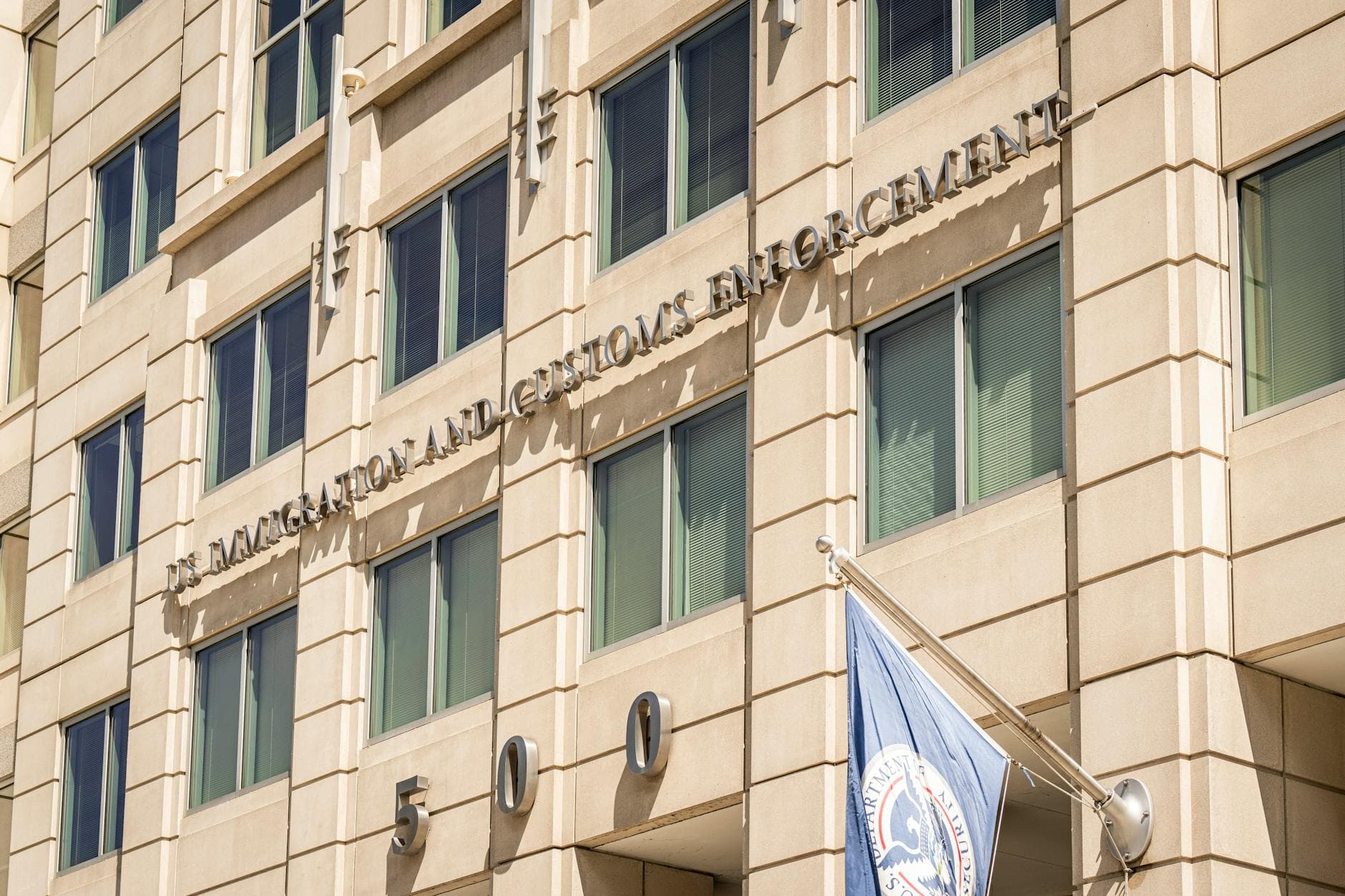
Federal judges in Eugene have begun treating ICE’s account of detention cases with growing skepticism, and that credibility problem is now affecting who stays locked up, who gets released and how quickly immigrants with Lane County ties can reach a lawyer.
In habeas-petition hearings, some migrants detained in Eugene by U.S. Immigration and Customs Enforcement have won release in federal court. Along the way, judges have criticized specific actions by ICE officers and the legal arguments the agency used to justify holding detainees. Those rulings matter well beyond the individual cases: they can influence future ICE actions in Oregon and shape the leverage lawyers have when they argue that a detainee should be freed rather than kept in custody.

The same doubts are surfacing in the fight over attorney access. A lawsuit filed Oct. 16, 2025, in Eugene asked a federal judge to require that ICE detainees in Oregon be held for three business days, giving lawyers time to meet them before they are moved or deportation steps begin. In testimony, attorneys said ICE officers in Eugene, Portland and Medford did not have the time or space to accommodate visits. One Eugene immigration attorney said ICE officers kept her from meeting detainees after the Nov. 5, 2025, Lane County arrests. Another report said an attorney arrived at the Eugene facility only to learn that one detainee had already been taken out through the back door.
The scale of the arrests has deepened the alarm in Lane County. At least 12 people were detained there on Nov. 5, 2025, and Oregon lawyers later said ICE had detained more than 450 people since October in pre-dawn sweeps across Beaverton, Eugene, Cottage Grove, Salem and Hood River. Thirteen elected officials issued a statement expressing alarm at the Lane County detentions and concern over the “violent detention” of people in the county.
The legal backdrop in Oregon helps explain why these cases are hitting such a nerve. Oregon became the first sanctuary state in the nation in 1987, and the state’s sanctuary laws were later updated with the 2021 Sanctuary Promise Act, HB 3265, which tightened limits on cooperation with federal immigration enforcement without a judicial order and created a reporting system for alleged violations. In Eugene, those rules are colliding with federal immigration practice in ways that leave families, attorneys and local residents trying to gauge whether the system is still functioning fairly.
The scrutiny has widened beyond detention itself. On April 22, 2026, a federal court in Eugene heard arguments over ICE activity near schools, churches and hospitals, with plaintiffs arguing that the rescission of a Biden-era protected-places memo chilled people from going to sensitive locations. Judge Ann Aiken later expressed skepticism toward the government’s arguments in that case, underscoring that Eugene has become a repeated testing ground for ICE enforcement and judicial oversight in Oregon.
This article was produced by Prism’s automated news system from verified source data, official records, and press releases, then run through automated quality and moderation checks before publishing. The system is built and supervised by the people who set the standards it runs under. Read our full AI policy.
Did this article answer your question?