Independent toy shops in Eugene stay busy, outcompete big box retailers
Independent toy shops across Lane County reported brisk holiday traffic on December 19, 2025, as shoppers continued to favor local stores over big box chains and online sellers. That support matters because rising wholesale costs, supply chain disruptions and tariffs are squeezing margins, making community patronage a key factor for small business survival.
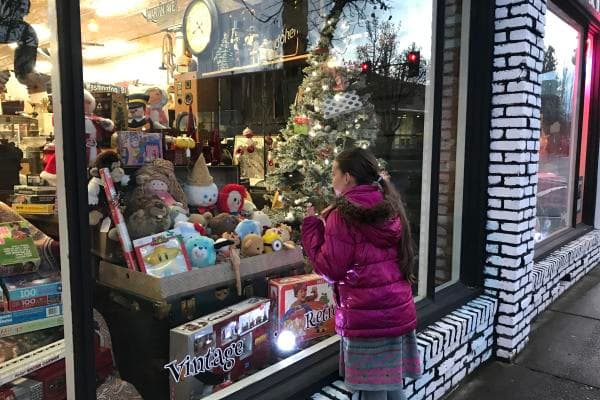
On December 19 local toy retailers in the Eugene area saw steady foot traffic as the holiday shopping season reached its peak. Store owners and employees worked through long lines and restocked shelves where possible, a visible sign that many residents remain willing to shop locally despite the convenience of national chains and online marketplaces.
Independent shops are contending with a range of economic headwinds. Supply chain challenges have made some inventory harder to source and less predictable, while rising costs at the wholesale level have reduced the margin cushion many small sellers rely on. Tariffs on certain imported goods have further pushed up wholesale prices, forcing independent retailers to absorb costs or pass them to consumers. Because independents lack the purchasing scale of larger competitors they are more exposed to these price pressures.
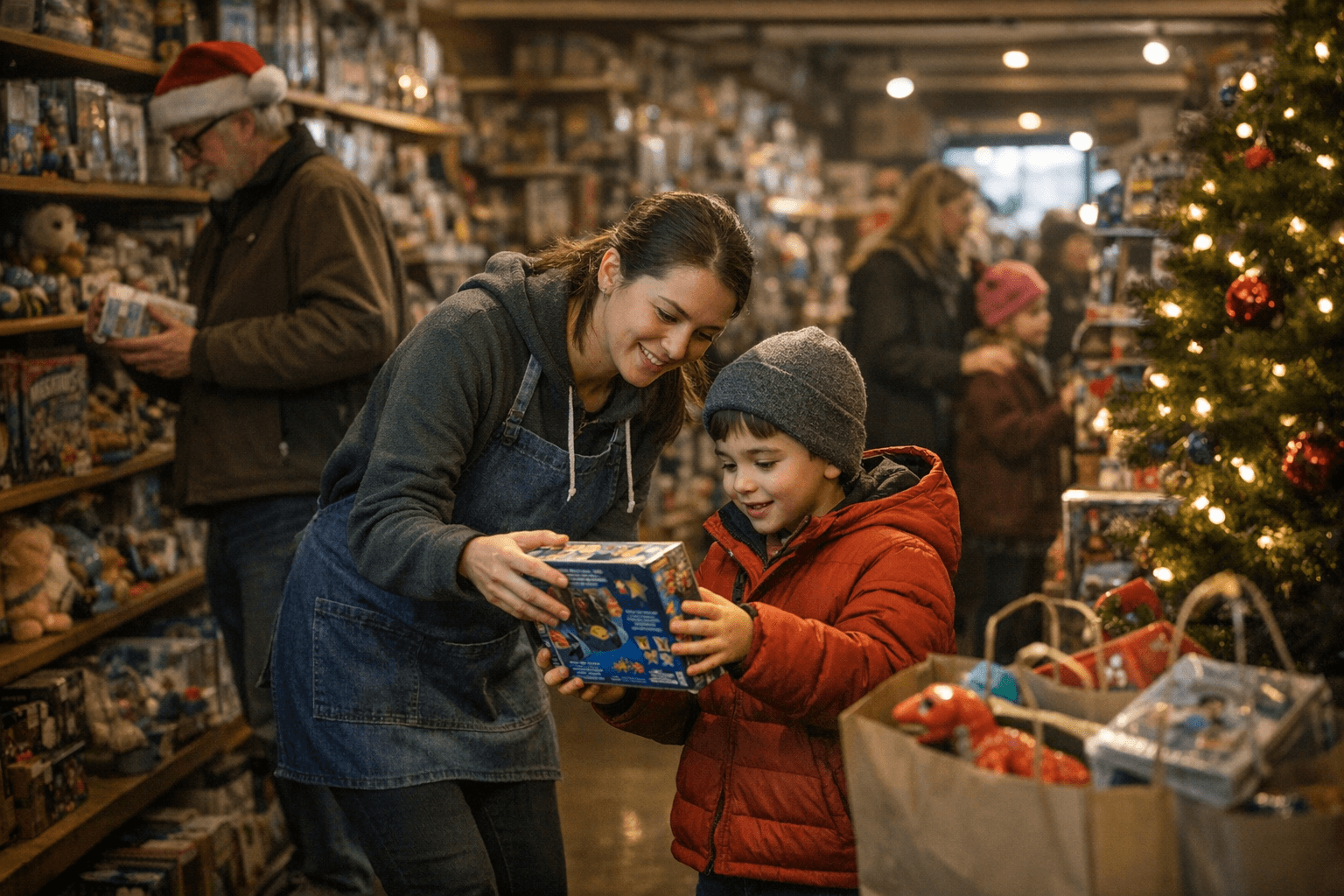
To compete, local stores leaned on strengths that cannot be replicated by large online platforms. Curated product selection drew customers looking for unique and locally relevant toys. Staff knowledge and personalized service helped match buyers to items and build repeat business. Community reputation and in person interactions turned routine transactions into experiences that encouraged last minute and substitute purchases when specific items were out of stock.
The economic implications are local and immediate. Independent toy shops provide jobs, contribute to the local tax base and generate foot traffic that supports neighboring businesses in commercial corridors. Continued patronage during the holidays helps sustain payrolls and inventory purchases that ripple through Lane County supplier networks. Conversely, sustained pressure on margins could force some retailers to reduce hours, scale back staff or narrow product lines in the months ahead.
Looking beyond the season the situation highlights broader trends in retail economics. Evolving consumer preferences are keeping demand for experiential and curated shopping alive, but structural forces such as international trade policies and logistics capacity will shape cost competitiveness. For Lane County policymakers and community leaders, supporting local retail resilience means addressing high level trade and logistics issues while also expanding local measures such as small business assistance, flexible permitting and promotion of downtown shopping to reinforce the local economic ecosystem.
This article was produced by Prism’s automated news system from verified source data, official records, and press releases, then run through automated quality and moderation checks before publishing. The system is built and supervised by the people who set the standards it runs under. Read our full AI policy.
Did this article answer your question?