Judge extends deadline to remove Eugene federal building fence
The Eugene federal building fence must come down by 7 a.m. July 2, opening the downtown plaza back up unless the government moves faster on a new traffic plan. If it stays up, the court warned of contempt.
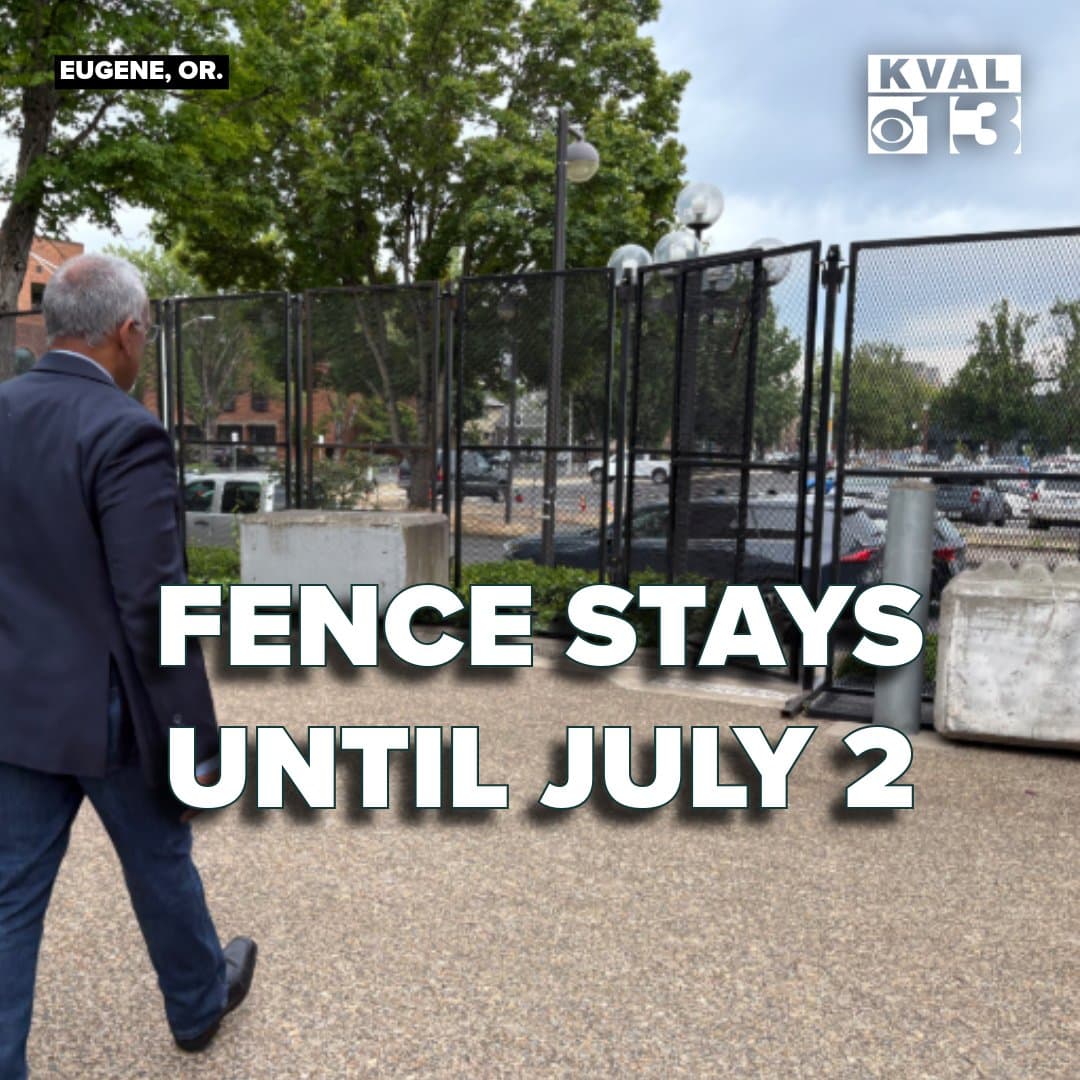
The fence around the Eugene Federal Building now has a hard cutoff: 7 a.m. July 2. U.S. District Judge Mustafa Kasubhai extended the removal deadline after the government needed more time to coordinate a traffic control plan with the City of Eugene and hire a contractor, and he made clear that missing the new date could bring contempt of court.
Kasubhai had already ordered the General Services Administration to take down the barrier within 48 hours after granting a preliminary injunction to six local activists represented by the Civil Liberties Defense Center. The government asked for a delay until July 5 and needed as much as 11 days to line up the logistics, but the judge rejected that timeline and said waiting until the holiday weekend would be an insult to the nation’s 250th birthday celebration on July 4.

The fence has blocked the upper courtyard and part of the sidewalk, cutting off an access ramp, shade and benches, while also limiting the size of demonstrations that can safely fit there. The building houses a U.S. Immigration and Customs Enforcement field office along with other federal agencies, and activists have used the site for protest for decades.
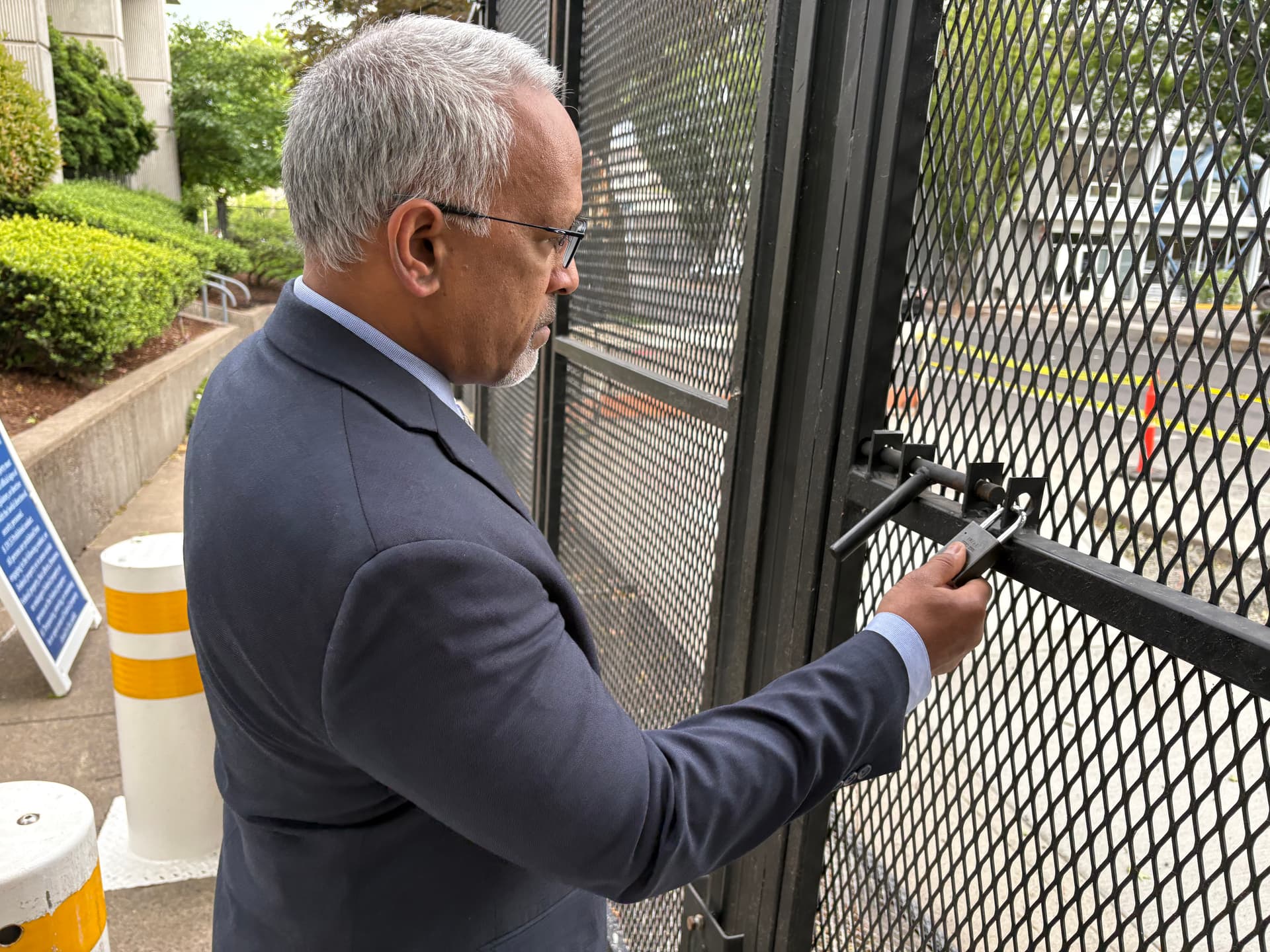
The barrier went up in late April after a Jan. 30 protest at the federal building was declared a riot by Eugene police following property damage, including broken windows and a breach of the lobby. The federal government expected it to remain for about two years, while the plaintiffs argued that it chilled First Amendment activity and closed off a traditional public forum. During the court proceedings, Kasubhai called the courtyard and plaza a public forum with a protest history dating to the 1970s.

The space hosted demonstrations over the Iraq war, Wall Street and pollution. The government’s lawyers argued the barrier was necessary to protect employees, and the agency was considering longer-term upgrades such as riot glazing and hardened doors. The fence itself cost $269,220.
This article was produced by Prism’s automated news system from verified source data, official records, and press releases, then run through automated quality and moderation checks before publishing. The system is built and supervised by the people who set the standards it runs under. Read our full AI policy.
Did this article answer your question?