Lane Community College Partners With Oregon Aviation on Wildfire Drone Training
LCC students have been flying experimental wildfire detection missions out of Oakridge Airport since 2024 under a new state drone partnership.
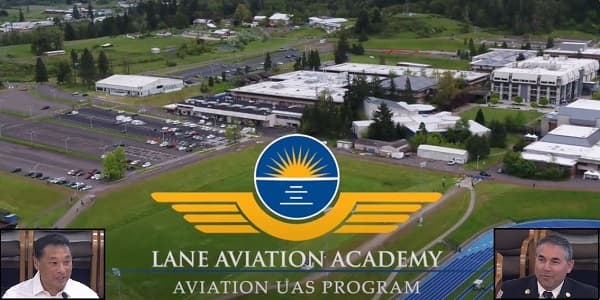
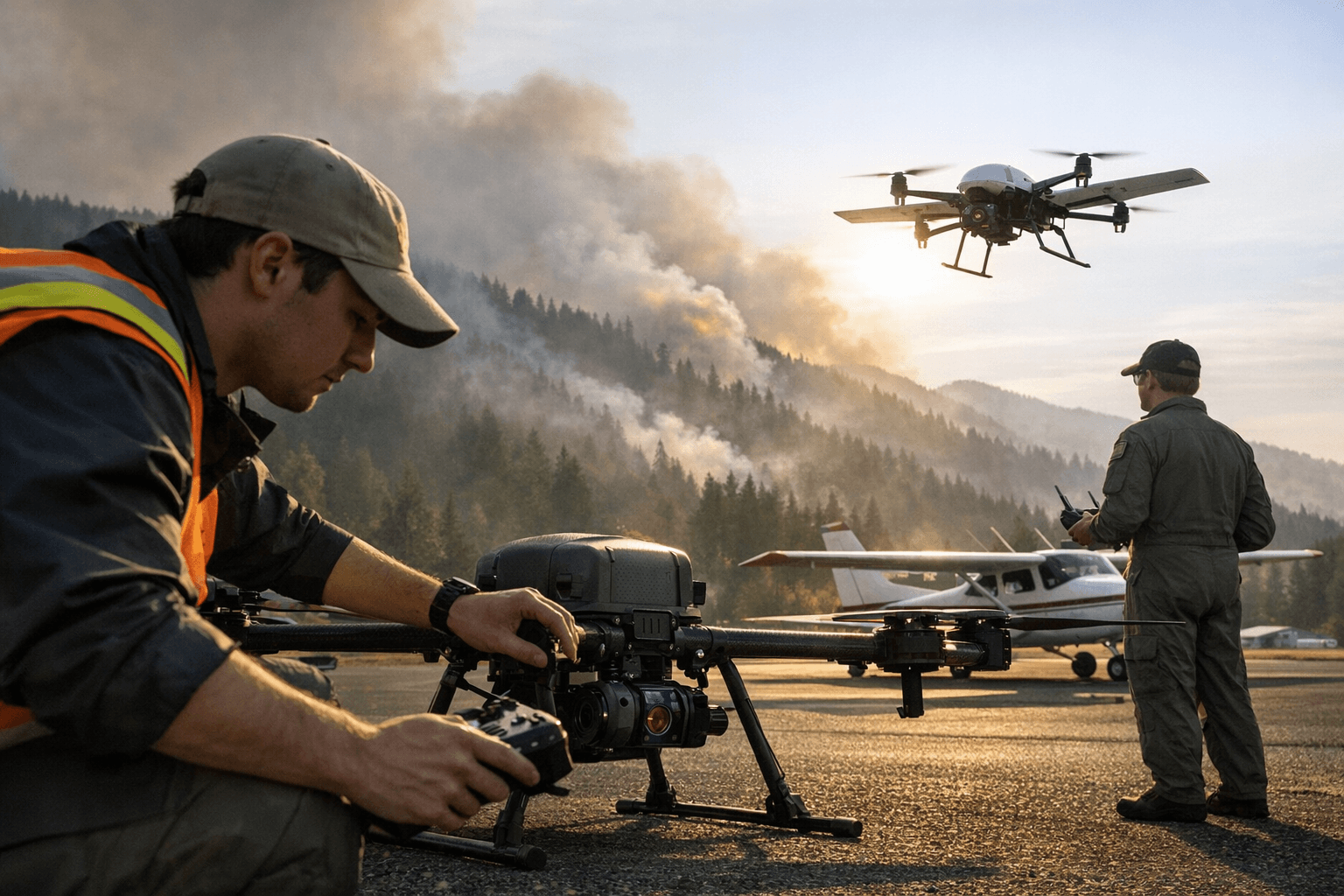
Since early 2024, Lane Community College students have been flying experimental drone missions out of Oakridge Airport, testing methods to detect, mitigate, and extinguish wildfires as part of a formal partnership with the Oregon Department of Aviation. The collaboration, established through a Memorandum of Understanding between the two institutions, pairs LCC's hands-on UAS program with state-level aviation resources to address one of Lane County's most persistent threats: wildfire.
Solomon Singer, director of the LCC UAS Program and a drone instructor, sees the stakes clearly. "This partnership with the Oregon Department of Aviation opens up the opportunity to involve our students in advanced UAS research, while helping support our firefighters and communities," Singer said. "We hope that our efforts will someday potentially save lives, and advance the use of drones in fire surveillance and control."
The program's technical scope is broad. Students are exploring Beyond Visual Line of Sight operations, visual detection systems, and advanced sensors capable of providing real-time aerial surveillance and early hazard detection for ground crews. Singer called it potentially "one of the most advanced drone training opportunities in the country for our students."
Kenji Sugahara, Director of the Oregon Department of Aviation, chose LCC as a partner in part because of the college's existing program strength. "Lane Community College has one of the most cutting-edge UAS programs in the state," Sugahara said. He also framed the partnership in explicitly economic terms: "Companies really want to locate where they have a talent pool, and this is the first step in creating that talent pool."
Sugahara pointed to a longer research pipeline taking shape around the partnership, one that could connect LCC graduates to Oregon State University's forestry program. "If we can start feeding into those programs, then we have students who have been educated on drones, engineering, forestry, and technology, which leads to additional research happening on that side using these technologies," he said.
The partnership launched with a deliberate push for public transparency. LCC organized a meet-and-greet at Oakridge Airport where students demonstrated their drones for neighbors, journalists, and local officials. "Even the mayor came," Sugahara noted, describing how the event gave the surrounding community a chance to see the operations firsthand and ask questions about the work being planned.
For LCC students, the Oakridge flights represent something rare in vocational training: real-world missions with direct public safety implications, conducted in the fire-prone forests of Lane County rather than a classroom simulator.
This article was produced by Prism’s automated news system from verified source data, official records, and press releases, then run through automated quality and moderation checks before publishing. The system is built and supervised by the people who set the standards it runs under. Read our full AI policy.
Did this article answer your question?