Lane County Cuts Food Waste Nearly in Half, Local Programs Keep Momentum
Waste Wise Lane County data released November 26, 2025 show the county substantially reduced food sent to the landfill over the last decade, nearly cutting food waste in half. Local nonprofits and county programs mobilized around holiday food rescue and composting, a development that matters for household budgets, climate impacts, and community food access.
Waste Wise Lane County data and local program activity reported November 26, 2025 documented a sharp decline in the amount of food tossed to the landfill over the last ten years. The reduction, approaching fifty percent, reflects a combination of economic pressures, increased community action, and institutional changes that together are reshaping how Lane County handles surplus food.
Higher food prices since the pandemic have changed shopping and portioning habits for many families, prompting residents to plan purchases more tightly. At the same time, food rescue organizations such as Food for Lane County and grassroots groups like Burrito Brigade expanded operations, redirecting edible surplus to people in need rather than allowing it to spoil. Institutional composting programs also played a measurable role, with schools in the 4J district and the Lane County jail diverting food waste from landfill bins to compost processing.
Public education campaigns supported those operational shifts. Lane County’s Leftover Holiday Recipe Contest and related outreach encouraged residents to reuse and share surplus holiday dishes, reducing waste while stretching food dollars. Practical steps promoted through local channels included planning portions, sharing leftovers with neighbors or food rescue groups, and bringing reusable containers when picking up or gifting food.
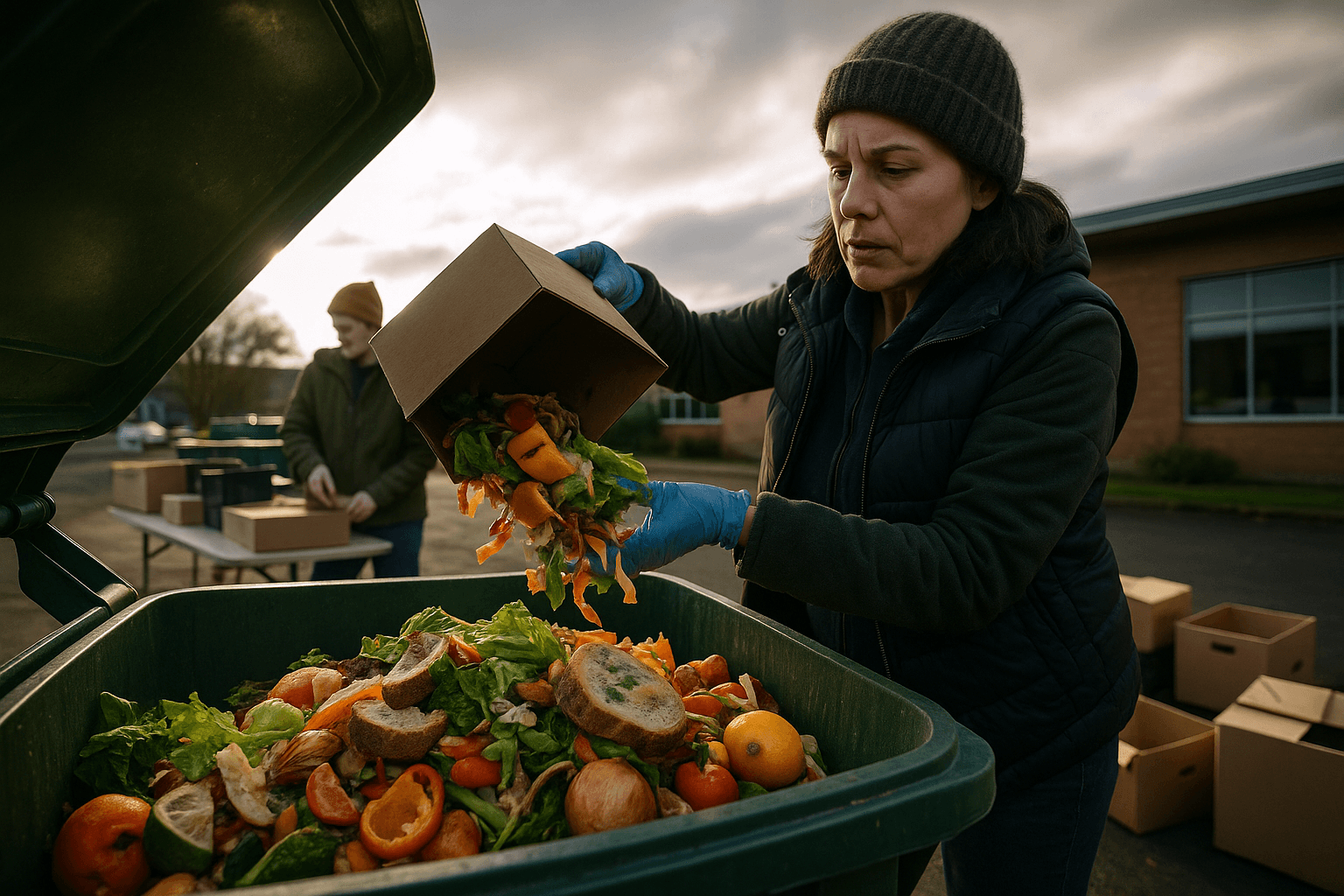
The local reductions carry wider public health and environmental implications. Preventing food from rotting in landfills curbs methane emissions, a potent contributor to climate change that also affects respiratory and cardiovascular health in vulnerable populations. Redirecting edible food supports food security and social equity by increasing access for households that face chronic or seasonal shortages. These gains point to policy opportunities, including sustained funding for food rescue operations, investment in composting infrastructure, and coordination between institutions and nonprofits to scale diversion efforts.
For Lane County residents, the decadelong decline in landfill food signals both progress and unfinished work. Local campaigns and nonprofit partners continue to accept surplus food and provide guidance on preventing waste during the holidays and year round. Strengthening these programs and ensuring they reach communities most impacted by food insecurity will determine whether the county can sustain and extend the gains witnessed so far.
This article was produced by Prism’s automated news system from verified source data, official records, and press releases, then run through automated quality and moderation checks before publishing. The system is built and supervised by the people who set the standards it runs under. Read our full AI policy.
Did this article answer your question?


