Lane County expands rural outreach to help homeless in remote communities
Lane County expanded outreach to full geographic coverage, linking Cottage Grove drop-ins, Station 7 youth shelter, and a 24/7 BHRN hotline at 800-422-2595 for remote unhoused residents.
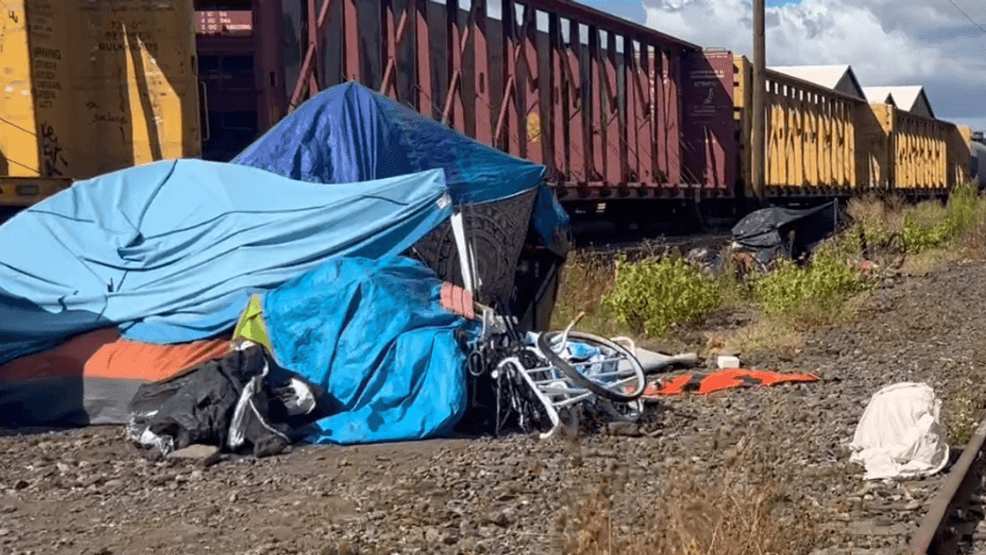
Lane County says its rural outreach effort now reaches remote pockets across the county after an expansion completed over the last two years with funding and cooperation from Lane County, the City of Eugene, and the City of Springfield. Budd praised the coordination: “I think that’s a great example of the strong partnerships Lane County has with other jurisdictions and the strong coordination that other jurisdictions have around addressing homelessness in their communities,” he said, as outreach teams extended coverage to hard-to-reach areas.
Youth services from Looking Glass anchor much of the rural work. Station 7 offers emergency shelter, family reconciliation, wraparound supports and a 24-hour help hotline for homeless youth ages 11-17, and its Project Safe Place program “offers youth safe locations to go when they feel afraid or have run away from home.” Looking Glass’ Rural Program in Cottage Grove operates a drop-in center that provides food, clothing, internet access and job search materials, and its street outreach provides information, referrals, advocacy and support for youth who live in South Lane County. New Roads drop-in and New Roads School likewise offer food, clothing, showers and education for unhoused youth.
Behavioral health and substance-use services are integrated into the outreach network. The Behavioral Health Resource Network operates a 24/7 hotline at 800-422-2595 and describes its Adolescent Recovery Program as outpatient substance abuse treatment for youth ages 11-21 using an individualized, strength-based, solution-focused approach. A “PEER Shelter” heading appears in program listings, though publicly available excerpts include no additional operational details for that site.
System-level coordination relies on shared data and training through the Homeless Management Information System. Carly Walker, a Management Analyst for Lane County, reports HMIS data and trains agency staff; Walker works directly with nearly 30 agencies, roughly 200 projects and about 300 users who have access to the public data dashboard. Community Solutions highlights the by-name list as a tool: “The by-name list just has really clear metrics that are easy to understand. It’s really nice to have a small number of data points that are very easy for each provider to see how they fit in that piece of the puzzle.” The community also received a HUD youth homelessness demonstration project grant in 2021 to increase resources for unhoused youth.
Shelter options across the county provide multiple modalities for people without housing. St. Vincent de Paul lists programs including Dawn to Dawn heated communal tents and pallet shelters, a Safe Parking Program with legal camping, garbage disposal and portable restrooms for vehicle residents over 18, First Place Annex Night Shelter for families registered at First Place Family Center, and the Safe Sleep Program at 310 Garfield, which the Eugene City Council approved for use in 2021. St. Vincent de Paul’s listed address is 2890 Chad Dr., Eugene, OR 97408 and its phone is 541-687-5820; Egan Warming Centers activate when temperatures drop below 30 degrees Fahrenheit to “ensure that unsheltered people in Lane County have a place to sleep indoors when temperatures drop below 30 degrees Fahrenheit.”

Community Supported Shelters operates Safe Spot Communities with an intentional community model and reports high success moving people to housing. Resident Herman described the environment: “We all get along pretty well. We’ve all been hurt; we're aware of that. Everybody here is in the same boat. We watch out for each other so nobody triggers an explosion. You might get one bad apple in the barrel, but this program is so well organized and run. It’s so simple and it keeps on going smoothly.” Peter Chavannes, City of Eugene Homeless Systems Policy Manager, added that the city “finds their innovative approach to supporting people to be cost-effective, trauma-informed, person-centered, and impactful.” CSS is located at 1160 Grant Street, Eugene, with public office hours Tue-Fri 1-4 p.m., phone 541-683-0836 and email community@cssoregon.org.
County anti-poverty infrastructure continues to link rural residents to services. Lane County’s Community Service Centers operate in Eugene, Springfield, South and West Lane County and list partners and locations such as Catholic Community Services at 1464 W 6th Ave, Eugene (541-345-3628), Catholic Community Services in Springfield at 1025 G Street (541-345-3628), and the Community Sharing Program in Cottage Grove at 1440 Birch Ave (541-942-2176). Domestic violence and advocacy contacts include Hope & Safety Alliance at 1577 Pearl St., Suite 200, Eugene (541-485-8232) and Siuslaw Outreach Services at 1576 12th Street, Florence (541-997-2816).
County and city leaders say outreach expansion is ongoing and that the stakeholder group will grow to prioritize the next populations in need, while providers on the ground continue to connect remote residents to drop-in centers, harm-reduction services and emergency shelter options across Lane County.
This article was produced by Prism’s automated news system from verified source data, official records, and press releases, then run through automated quality and moderation checks before publishing. The system is built and supervised by the people who set the standards it runs under. Read our full AI policy.
Did this article answer your question?


