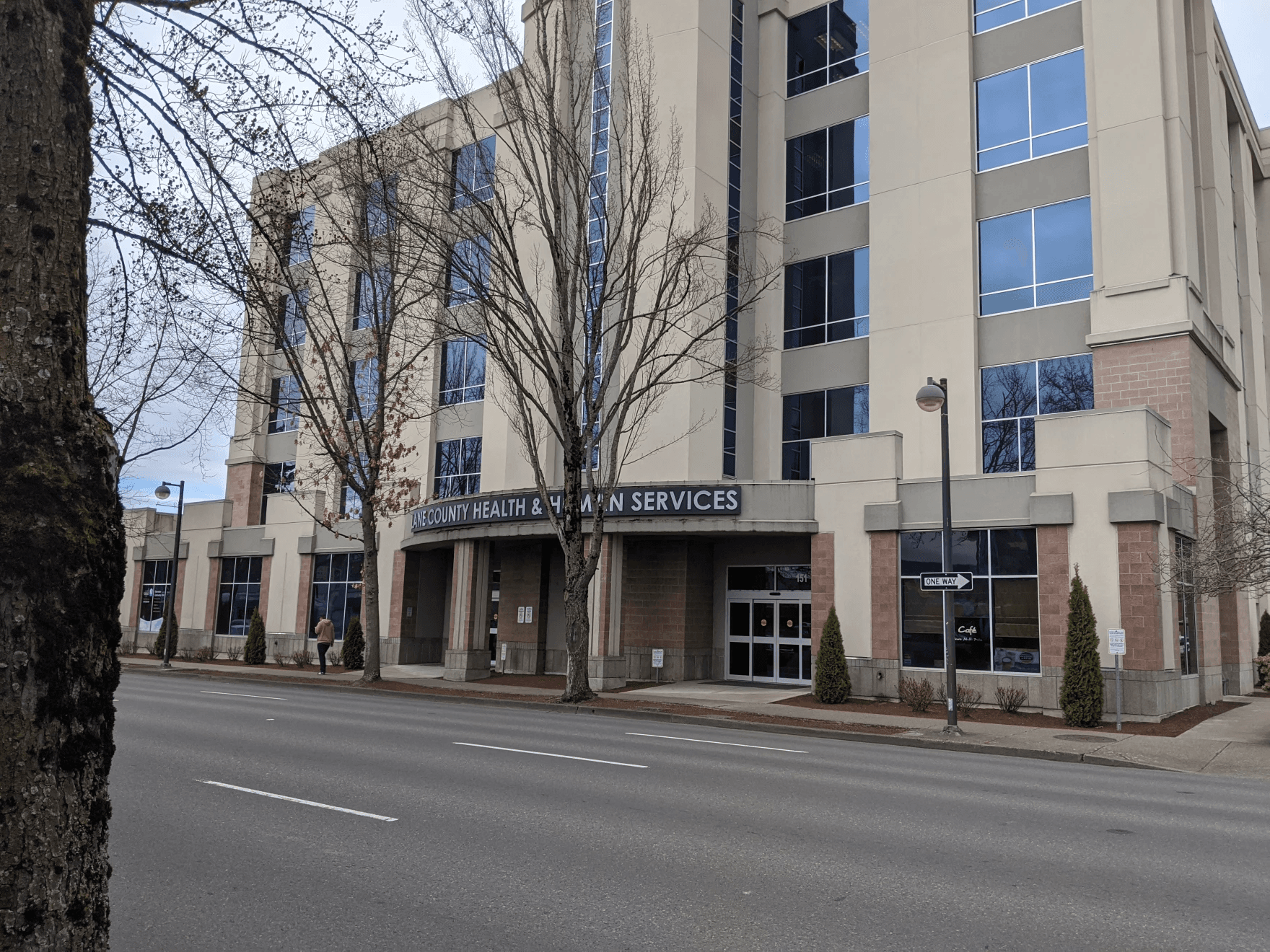
Lane County families question DSP transportation limits for children with disabilities
A Eugene father says a disability-care transportation rule is leaving school pickups and weekend outings uncovered. ODHS says the rules did not change and other options still exist.

Lane County parents say a transportation limit is turning ordinary routines into a logistical scramble, forcing them to rethink school pickups, therapy visits, work shifts and weekend plans for children with disabilities. For Eugene father Nic Kephart, the problem starts the moment he cannot drive his daughter himself: he relies on a direct support professional to get her from school to after-school activities and to weekend outings, and he says losing that transportation support makes it harder to keep a DSP at all.
The Oregon Department of Human Services says the dispute is not the result of a recent rule change. The agency says there has been no recent change in the administrative rules governing when direct support professionals may provide transportation to children. ODHS says children and adults receiving Office of Developmental Disabilities Services supports can qualify for community transportation or Employment/Day Support Activity transportation if they need daily living care supports during the ride or at the destination.
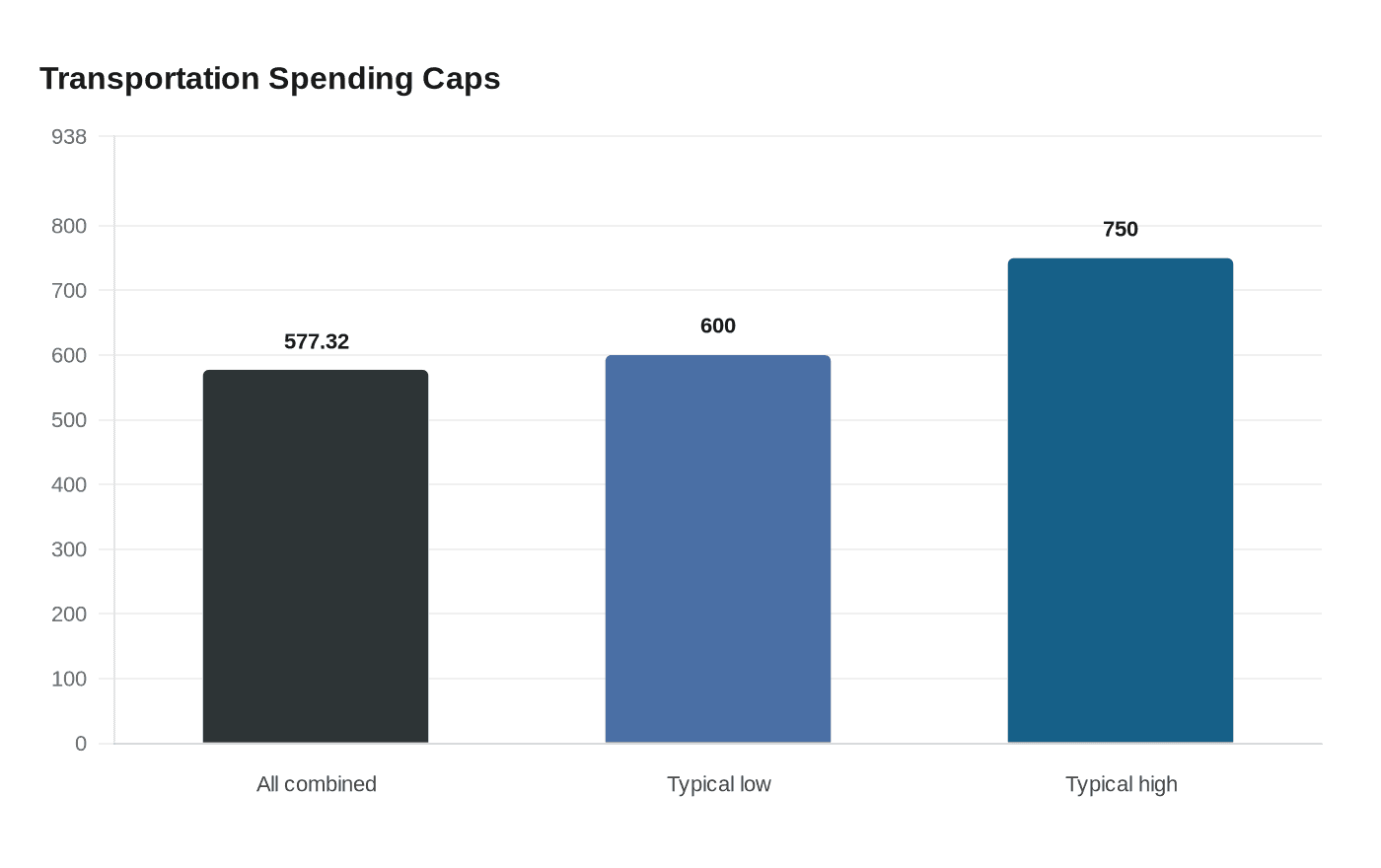
There are limits. ODHS says transportation to medical appointments must go through health insurance benefits, not ODDS transportation. It also says the monthly cost for all combined transportation cannot exceed $577.32 without an exception from the agency. ODHS distinguishes between Community Transportation and To/From Work or DSA transportation, with community transportation covering non-medical local access tied to daily living needs and the work or DSA option covering trips to job sites or day-support locations.
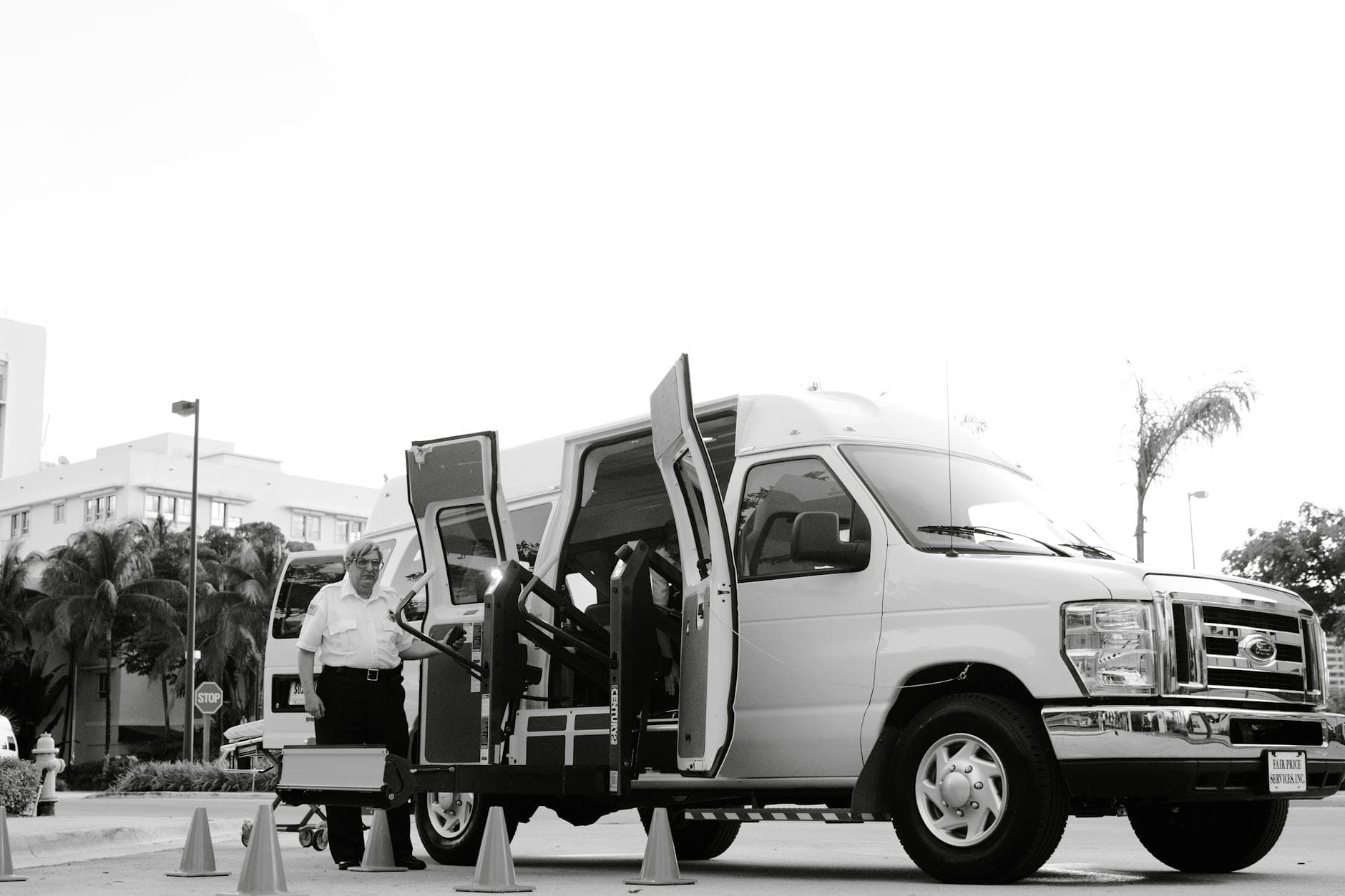
The Community Transportation worker guide was updated Jan. 15, 2026, and says the service is meant to help people reach community activities and services. That guide says monthly spending is typically capped at $600 to $750 and mileage at 1,071 miles unless an exception is approved. ODHS also says taxi service can be authorized when other options are unavailable or when a personal support worker or provider agency is unavailable.
For Lane County families, the practical question is how to get through the week without losing a driver, a support worker or a needed service. Families have also been pointed to flexible non-medical transportation funds available through Lane County Family Resource Center sites. ODHS has been trying to clarify service-code rules in the developmental disabilities system as well, including a Jan. 2, 2025 transmittal that removed a confusing requirement for social-activity attendant care and said children and youth can receive support while taking part in those activities.
For Kephart and other parents in Eugene and across Lane County, the issue is not abstract. It decides whether a child gets to school, gets to therapy, gets home safely and keeps a foothold in community life.
This article was produced by Prism’s automated news system from verified source data, official records, and press releases, then run through automated quality and moderation checks before publishing. The system is built and supervised by the people who set the standards it runs under. Read our full AI policy.
Did this article answer your question?