Lane County primary takeaways, commissioner races and congressional results update
Lane County's commissioner races are the real power shift, because they steer taxes, policing, housing and roads. Eugene's 4th District primary adds a wider federal stake.
County board control is the local story that matters most
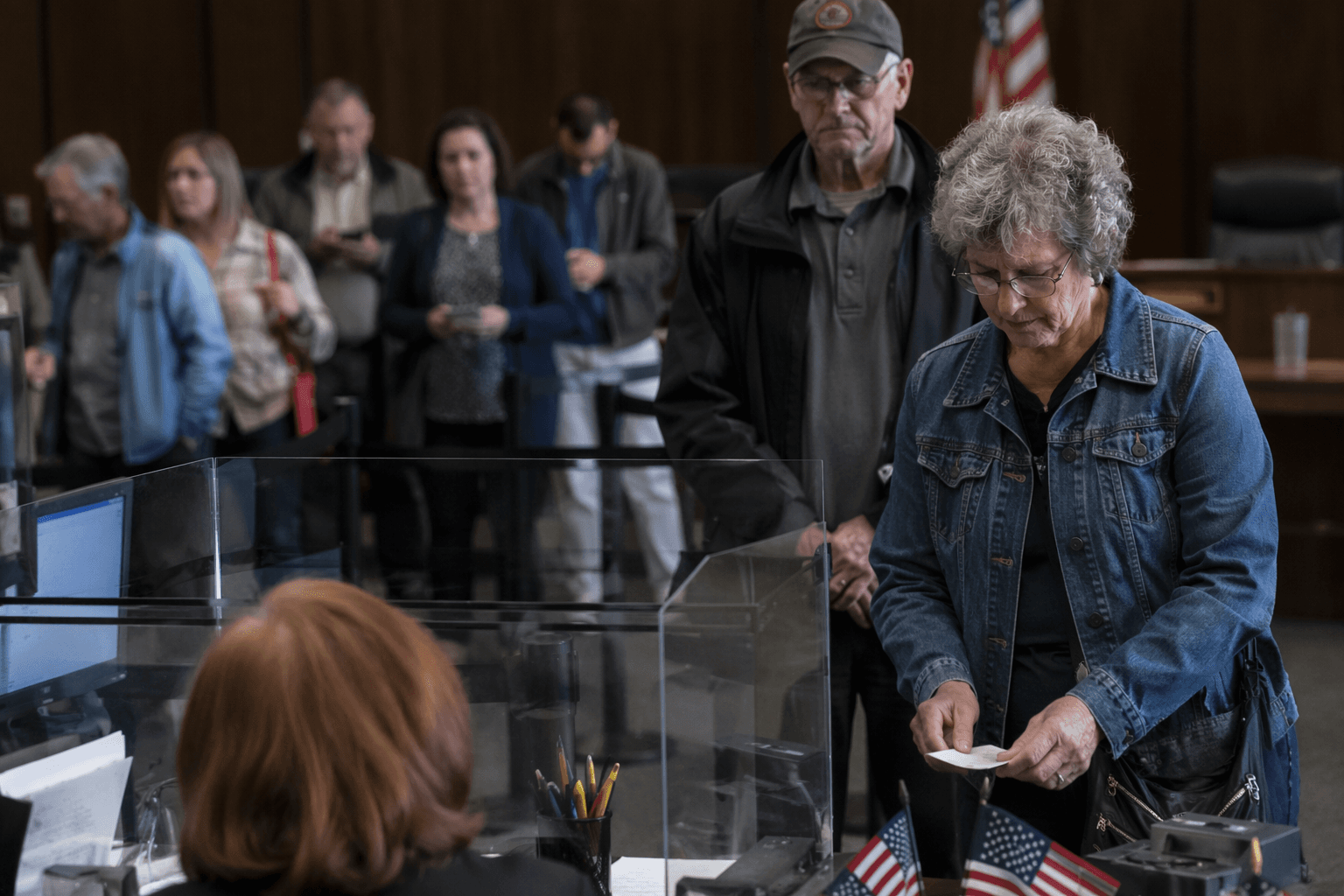
Lane County's next year of tax, policing, housing and road decisions will run through a five-person Board of County Commissioners that has both legislative and administrative authority under the county Home Rule Charter. Each commissioner serves a four-year term and represents a specific geographic district, so the May 19 ballot was not just about individual candidates. It was about the balance of power on the board itself.
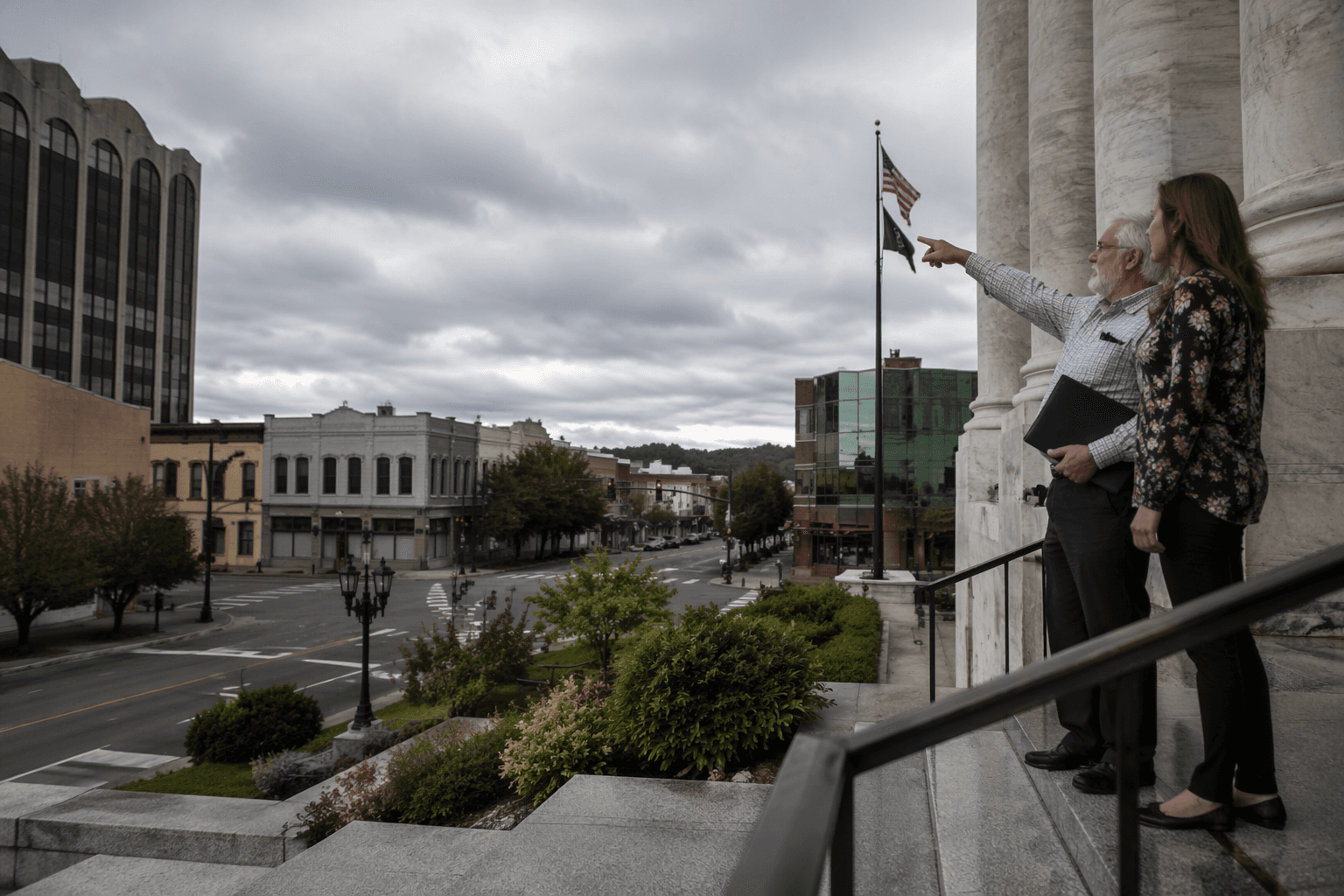
Three of the five commissioner seats were on the ballot, which meant voters were deciding a majority of the board's elected membership at once. In the Oregon Secretary of State's unofficial update, Lane County turnout stood at 34.28 percent, with 97,731 ballots counted out of 285,064 active registered voters. That level of participation matters because a relatively small share of the electorate was helping determine who will shape county priorities through the next budget cycle.
Where the commissioner races stood
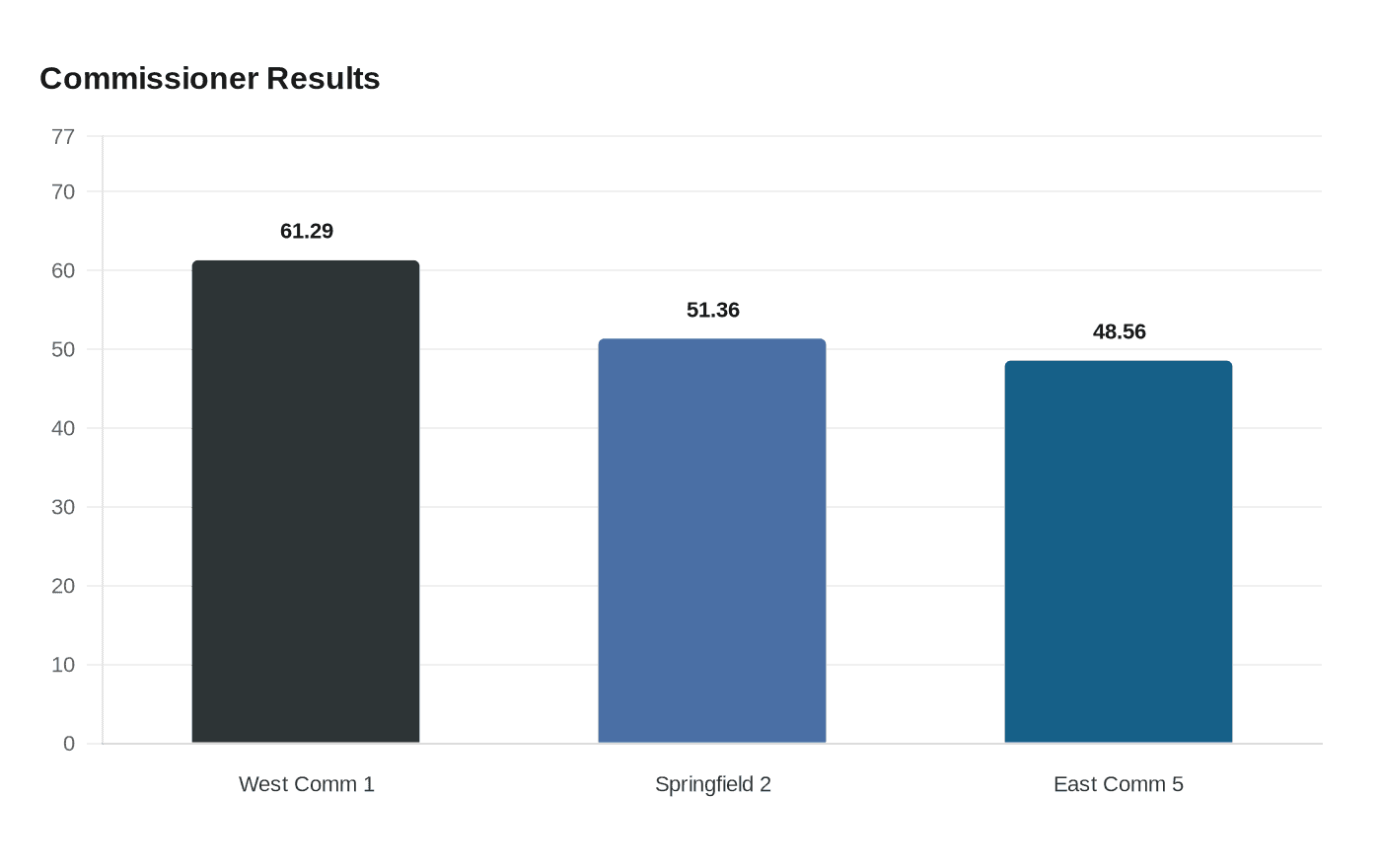
The county's most consequential contests were in West Lane, Springfield and East Lane. The Oregon Secretary of State's unofficial results showed Ryan Ceniga at 61.29 percent in West Commissioner Position 1, Sean Vangordon at 51.36 percent in Springfield Commissioner Position 2, and Jake Pelroy at 48.56 percent in East Commissioner Position 5. Those numbers were still part of an unofficial count, not a final one, and The Register-Guard reported that two of the three races were close enough after the first returns to remain unresolved and possibly head to a November runoff.
That is the practical point for residents watching county government: the board's final shape was still in motion. In a county where three commissioner seats can determine the direction of the whole board, later-counted ballots can still matter as much as the first night of results. For voters in West Lane, Springfield and East Lane, these were the races most directly tied to what the county spends, what it delays and which services get priority.
What these results mean for taxes, policing, housing and roads
The commissioner contests matter because the county board controls the policy and budget framework that touches daily life. If the board's composition changes, the pressure points can change with it. Taxes are the most immediate example: the board decides how the county balances spending needs against the property-tax burden and other local revenue choices.
Public safety is just as sensitive. County commissioners influence the sheriff's budget, jail operations and the broader public-safety agenda that affects policing in unincorporated areas and the coordination that happens when emergency calls, mental health response and detention capacity all collide. Housing decisions also run through the board, especially when land use, homelessness policy and service coordination intersect in Lane County's fast-growing corridors.
Roads and transportation are another direct consequence. County road maintenance, repair schedules and capital priorities matter most outside Eugene and Springfield's core streets, where local residents feel closures, detours and deferred maintenance immediately. Schools are not run by the county, but county land-use decisions, transportation planning and family services can still shape where students live, how neighborhoods grow and what pressures fall on school districts over time.
The city and utility races still matter, too
The county board was the main arena, but it was not the only one. City of Eugene council contests and an EWEB board race also drew attention because city government and utility decisions shape the monthly costs and neighborhood conditions residents feel every day. Housing approvals, utility rates, water service and neighborhood infrastructure all sit in the same local policy ecosystem as county government.
That makes the full election picture important even when the county board gets the loudest focus. A homeowner, renter or commuter in Lane County may feel the effects of county spending, city land-use decisions and utility policy in the same year, sometimes on the same street. The commissioner races set the county's direction, but the broader local ballot helps determine how much pressure lands on households.
The 4th Congressional District race adds another layer
Democrats in Oregon's 4th Congressional District were also choosing a nominee in the first contested primary for the seat since Peter DeFazio's 2022 retirement. Because Eugene is part of that district, Lane County voters were not just choosing local officials. They were helping decide who will carry the region into the next federal fights over transportation funding, housing dollars and the other grants and programs that flow back into local projects.
That gives the congressional primary a different kind of weight from the county contests. The commissioner races shape the budget and service decisions residents see closest to home. The 4th District primary shapes who can fight for Lane County's share of federal money and federal attention. Together, the two levels of the ballot show how local governance in Lane County is tied to both the county chamber and Washington, D.C.
When the count becomes final
The May 19 results were still unofficial, and The Register-Guard said Lane County results would keep updating before becoming official on June 15. Additional result batches were scheduled for May 21 and May 28, with the final votes counted by June 10. In a close county race, that timeline matters because the margin on election night is only one step in the count.
For the commissioner contests, that means the board's final makeup could still shift as ballots are added. That is especially important where a runoff could be in play in November. Until the count closes, the practical question for Lane County is not only who led on Tuesday night, but who will ultimately sit at the table when budgets, road work and public safety decisions are made.
Why Lane County's election records matter now
Lane County Elections keeps historical election results dating to 1970 for ballot measures and scanned candidate filings dating to May 2010. That archive gives residents a long view of how turnout, margins and district preferences have changed over time. It is also one of the best tools for comparing this year's commissioner races with earlier contests and seeing whether the current results reflect a lasting shift or a narrow cycle.
That historical record matters because county government is one of the most powerful local institutions most voters hear from only at election time. Three commissioner seats were on the ballot, turnout was modest, and the board's direction remained unsettled while ballots were still being counted. The next year in Lane County will be shaped by who ends up holding that majority when the county decides what to fund, what to delay and what to protect.
Know something we missed? Have a correction or additional information?
Submit a Tip