Lane County school sues former Duck over unpaid $10,000 release fee
Oregon is suing Dakoda Fields for the final $10,000 on a release deal, a case that may shape how local schools enforce athlete agreements.
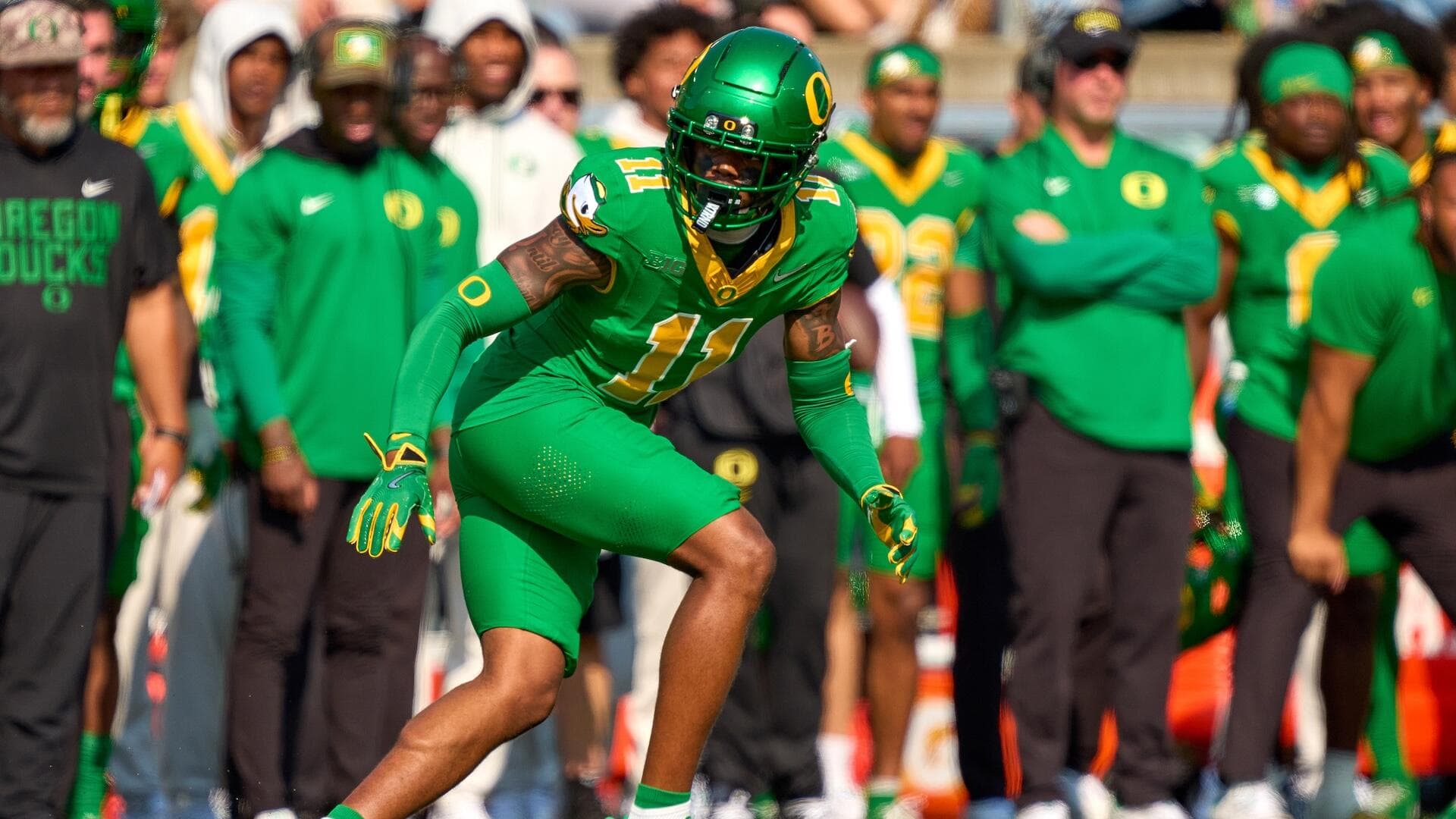
The University of Oregon is trying to collect the remaining $10,000 from former defensive back Dakoda Fields, a fight over a release agreement that could become a cautionary tale for Lane County athletes, parents and school administrators handling private buyout terms.
The school filed its complaint May 15 in Lane County Circuit Court, seeking the unpaid balance, 9% interest from April 21 and attorney fees. Court reporting says Fields agreed to pay $39,882.30 for a release from his Oregon contract, with a $10,000 discount if payment arrived by April 20. Oregon says Fields later paid $29,882.30, but only after the deadline had passed.
Fields transferred to Oklahoma on Jan. 5, 2026, after leaving Oregon during the 2025 season. He had been a redshirt freshman in 2024 and came out of Junipero Serra High School in California as a consensus four-star recruit. University of Oregon athletics’ roster listed him as a 6-foot-2, 190-pound defensive back who did not appear in a game as a true freshman and used a redshirt.
For families navigating NIL deals, transfer releases or other team-related agreements, the case underscores how quickly a discount can disappear if a deadline is missed. The dispute is not just about one player’s bill. It signals that schools may be willing to take private athletic contracts to court when they believe a buyout provision has not been honored, a risk that can affect current players deciding whether to transfer and the adults helping them review the paperwork.

The University of Oregon School of Law has publicly pointed to its NIL & Sports Law Clinic, which reviews NIL agreements and other contracts for student-athletes, a reminder that these arrangements now carry real financial consequences. Oregon has also turned to litigation in other athletics-related contract disputes, including a case involving former assistant coach Carlos Locklyn, showing that the university is treating buyout language as something it will enforce rather than ignore.
For Lane County, where Oregon football is one of the region’s most visible institutions, the case adds another layer to the evolving business of college sports. The lesson for players and families is simple: in agreements tied to athletics, the date on the calendar can matter as much as the dollar figure on the page.
Know something we missed? Have a correction or additional information?
Submit a Tip