Lane County sees more ticks, officials urge regular checks
County crews collected about 240 ticks from April to June, and officials said quick checks after hikes and yard work kept risk manageable.
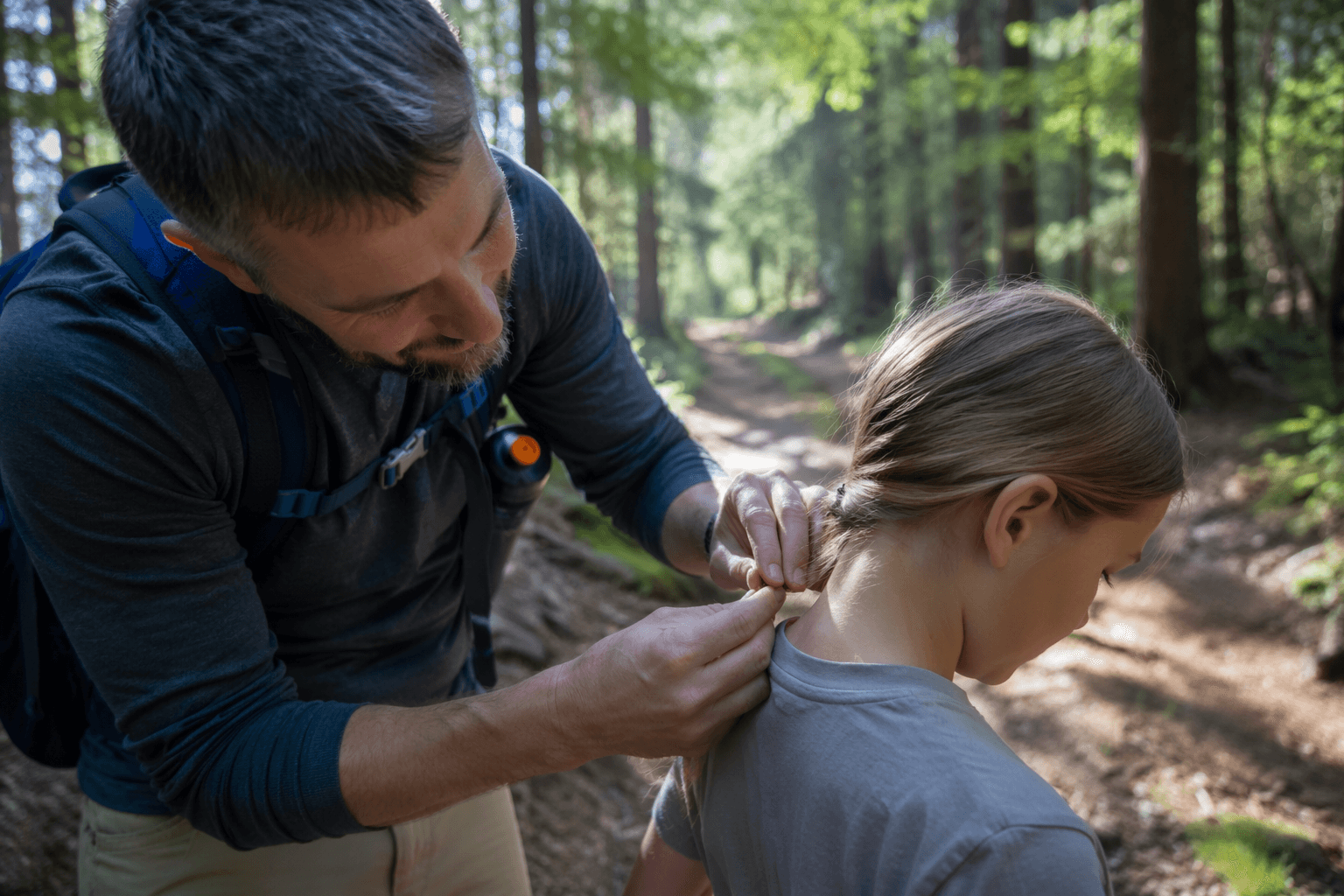
Lane County saw more ticks this spring, and county health officials treated the increase as a real but manageable seasonal risk. Crews collected about 240 ticks between April and June, a reminder that the insects were showing up in the places many residents already spend summer hours: trails, parks, backyards and wooded edges.
Dr. Patrick Luedtke, Lane County’s senior public health officer, said ticks were moving north as the climate changed. He said Oregon still saw relatively few Lyme disease cases overall, with about 40 reported statewide in a typical year and two to five in Lane County. Even with more encounters, the local numbers stayed low compared with the amount of outdoor activity across the county.

The main concern in Lane County was the western black-legged tick, the species Oregon Health Authority identified as the Pacific Coast carrier of Lyme disease. OHA also said that same tick transmitted hard tick relapsing fever, and that tickborne diseases acquired in Oregon were rare, at about 1 to 2 people per million population per disease each year. Oregon’s Lyme statistics showed 12 cases acquired in the state from 2022 through 2025, with a median of 2.5 cases per year.
Luedtke said fewer than 10 percent of the county’s ticks carried Lyme disease. Oregon State University Extension Service put the share of western black-legged ticks carrying the Lyme bacterium at about 3 percent to 8 percent. That made the risk manageable, but only if people checked carefully after time outdoors, especially after hiking, gardening, working in brush or spending time with children and pets in tick habitat.
Timing mattered. Luedtke said a tick usually had to stay attached for at least 24 hours before it could transmit Lyme disease, which made early removal the most important step. If a tick had already started to bite, he advised using tweezers on the whole body and pulling firmly but slowly.
Lane County Public Health directed residents with tick questions to Oregon Health Authority’s tick resources for identification and symptom information, and the county’s disease-reporting page listed arthropod vector-borne diseases as notifiable conditions. The broader surveillance picture showed why local officials kept watching: the Centers for Disease Control and Prevention said Lyme disease has expanded significantly in the U.S. since 1995, and county tick counts help public health teams track where risk is rising. For Lane County, the message remained practical: check early, remove ticks properly and do not ignore a bite just because it happened close to home.
This article was produced by Prism’s automated news system from verified source data, official records, and press releases, then run through automated quality and moderation checks before publishing. The system is built and supervised by the people who set the standards it runs under. Read our full AI policy.
Know something we missed? Have a correction or additional information?
Submit a Tip