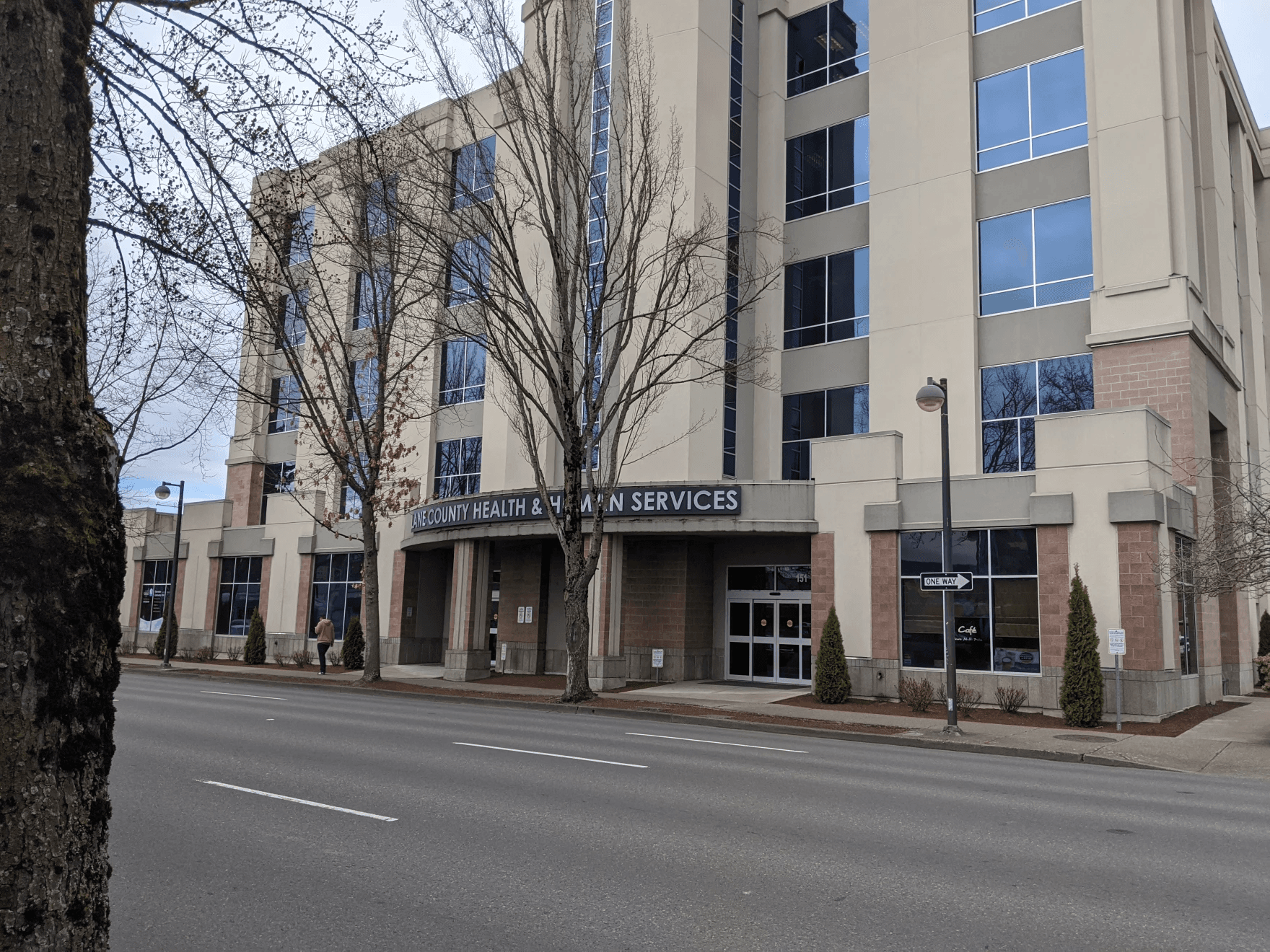
Lane County town hall pushes Oregon closer to universal health care
Who would pay, who would qualify and what Lane County would gain were the real stakes at Eugene’s universal care town hall.
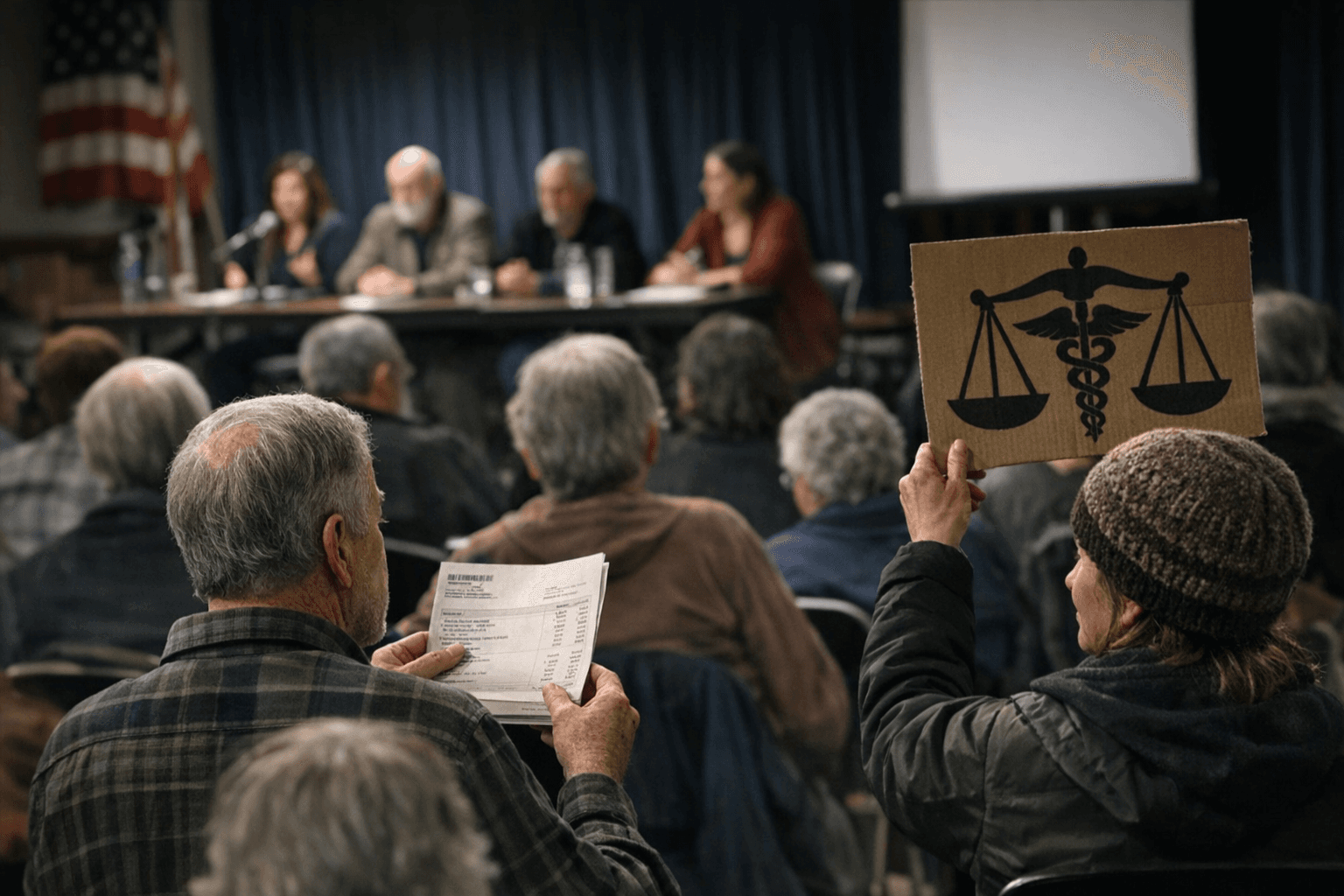
The biggest unanswered questions in Oregon’s universal health care push came into focus in Eugene: who would pay, who would qualify and what Lane County residents would actually get if the state turns a constitutional promise into a working plan.
Health Care for All Oregon’s Lane County chapter brought those questions to the Unitarian Universalist Church at 1685 West 13th Avenue, where the free public gathering drew residents into a state process that is now backed by law. State Sen. James Manning Jr. joined members of the Universal Health Plan Governance Board and speakers from Health Care for All Oregon as the group tried to turn a long-running idea into concrete policy.
The governance board was created in 2023 under Senate Bill 1089 to design a comprehensive plan to finance and administer a universal health plan in Oregon. It builds on the earlier Joint Task Force on Universal Health Care, created in 2019 under Senate Bill 770, and is working under a schedule that calls for a completed plan by Sept. 15, 2026, when it must submit its recommendation to the Oregon Legislature.
That deadline is where the accountability question sharpens. Measure 111, approved by Oregon voters in 2022, made Oregon the first state with a constitutional right to health care by saying every resident must have access to cost-effective, clinically appropriate and affordable care as a fundamental right. The same measure also requires the state to balance that obligation against funding public schools and other essential public services, a tradeoff that could determine how much people pay, what services are covered and whether the plan reduces medical debt and coverage gaps.
The board itself has nine members appointed by the governor and confirmed by the Oregon Senate. Five are supposed to bring expertise in health care delivery, finance, operations or public administration, and four are focused on public engagement. The board meets on the third Thursday of every month at 9 a.m. and accepts written and verbal public comment at every meeting, a sign that the shape of the plan is still being built in public.
Health Care for All Oregon said people could submit questions in advance for the Eugene event. A similar town hall was scheduled in Bend on April 25 as part of a nine-stop statewide tour, underscoring that Lane County is one stop in a much larger effort to pressure state leaders toward a universal system. For Eugene, Springfield and the rest of Lane County, the practical test is still the same: whether the next round of planning can show who pays, who is covered and what changes would reach everyday households before the Legislature takes up the plan in 2027.
This article was produced by Prism’s automated news system from verified source data, official records, and press releases, then run through automated quality and moderation checks before publishing. The system is built and supervised by the people who set the standards it runs under. Read our full AI policy.
Did this article answer your question?