Manslaughter Trial Opens for Driver Accused of Killing Eugene Educator Sharon Schuman
Prosecutors opened with blood-alcohol evidence while defense attorney John Kolego claimed a blackout, not impairment, killed UO professor and musician Sharon Schuman on Eugene's Amazon path.
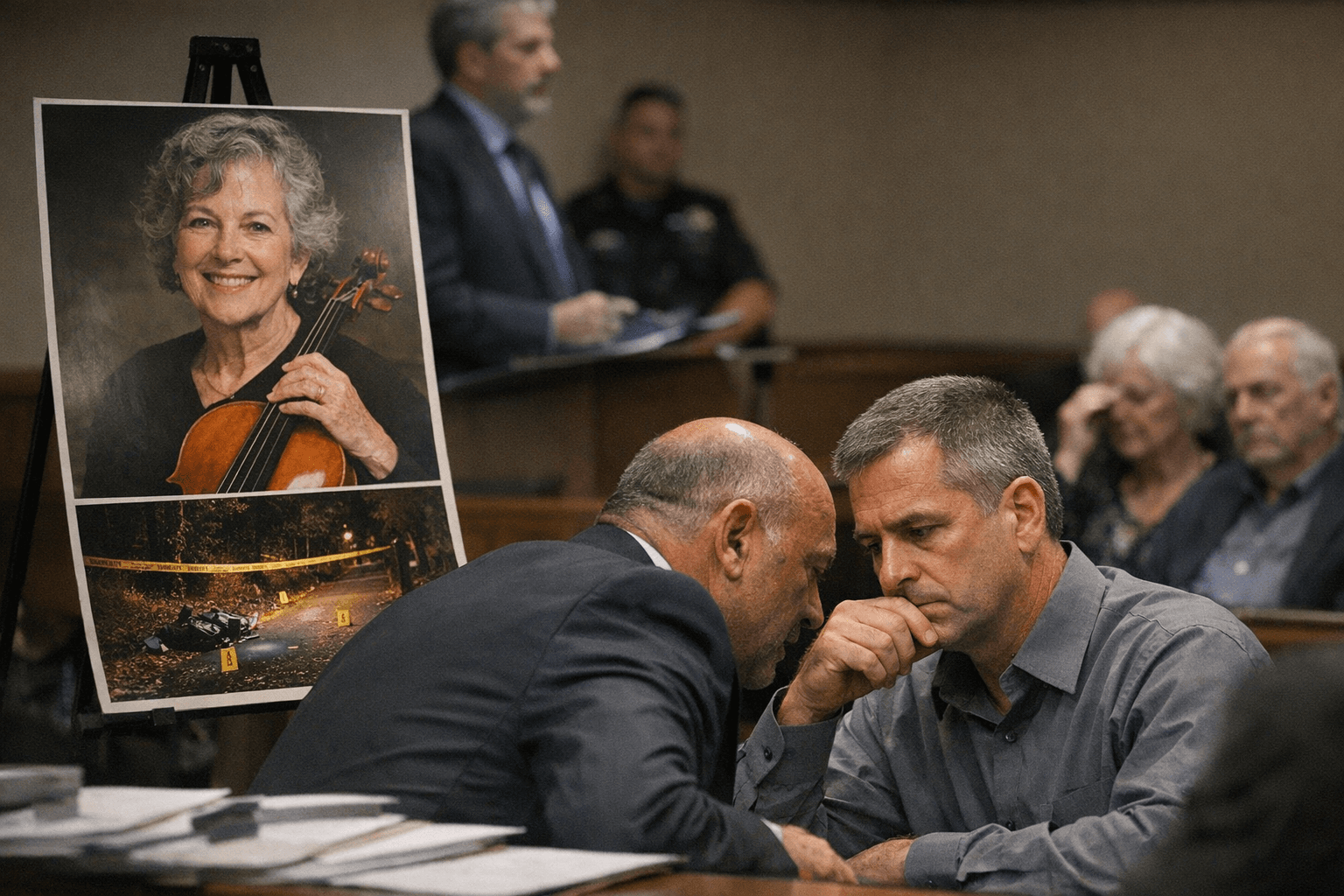
Scott Stolarczyk sat before a 14-member jury in Lane County Circuit Court on Tuesday as prosecutors and defense attorneys laid out sharply conflicting accounts of what killed University of Oregon professor Sharon Schuman on the Amazon Running Path nearly a year ago.
Deputy Lane County District Attorney David Jampolsky told jurors they would hear eyewitness testimony and see blood-alcohol evidence collected after the April 23, 2025 crash, arguing that criminally negligent conduct tied to impairment caused Schuman's death. Defense attorney John Kolego countered that Stolarczyk experienced a coughing fit and a blackout before his vehicle left the roadway and traveled onto the south Eugene trail where Schuman was jogging.
Stolarczyk has pleaded not guilty to manslaughter and driving under the influence of intoxicants. Judge Debra Vogt is presiding over the proceedings, which are expected to continue through this week and possibly into next. The jury consisted of 8 men and 6 women, with two jurors designated as alternates.
Schuman's son and daughter were present in the courtroom as opening statements were delivered. Beyond her academic career at the University of Oregon, Schuman co-founded Chamber Music Amici and performed with multiple ensembles, making her a prominent figure across two overlapping circles of Eugene public life.
The prosecution's case will hinge on connecting Stolarczyk's blood-alcohol level to the collision through toxicology testimony and accounts from witnesses who were on or near the running path that morning. Kolego's blackout defense reframes the central legal question as one of causation rather than impairment alone, which means jurors will likely weigh competing testimony from accident reconstructionists and medical experts before reaching a verdict.
That causation argument will be the decisive battleground. If Kolego raises sufficient doubt about voluntary intoxication, Jampolsky's manslaughter charge faces a harder road; if the toxicology evidence holds, Stolarczyk faces conviction on both counts. Vogt's courtroom is expected to remain active through much of next week.
This article was produced by Prism’s automated news system from verified source data, official records, and press releases, then run through automated quality and moderation checks before publishing. The system is built and supervised by the people who set the standards it runs under. Read our full AI policy.
Did this article answer your question?


