Mount Pisgah Arboretum offers trails, nature education in Lane County
Mount Pisgah gives Lane County 209 acres of trails, outdoor learning, and accessible escapes, with low-cost parking, family programs, and festivals that still fund the place.
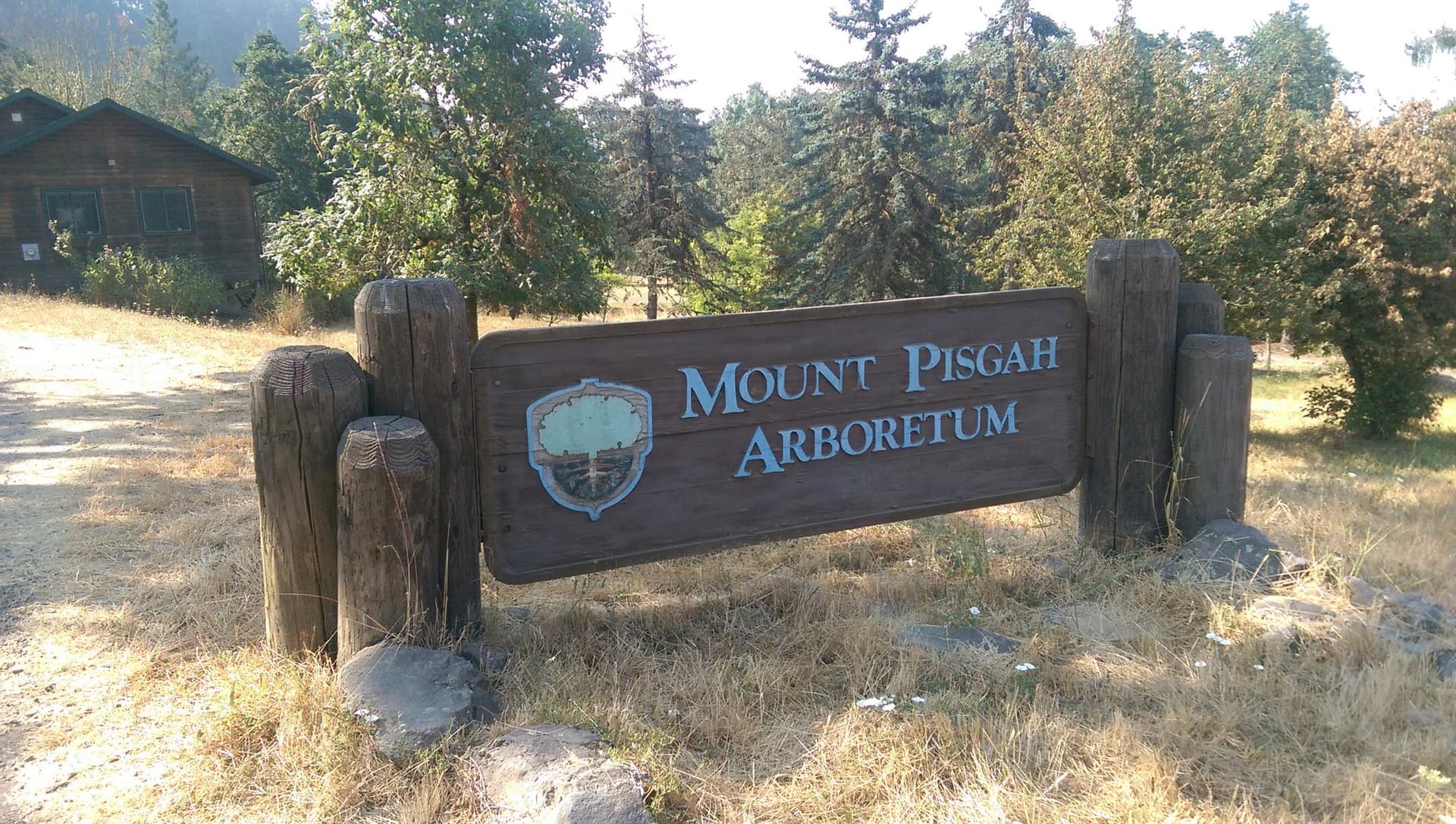
Mount Pisgah Arboretum is one of Lane County’s most practical outdoor assets: a 209-acre education site inside the 2,200-acre Howard Buford Recreation Area, with trails, habitats, and programs that pull in families, walkers, students, and volunteers. The arboretum says it has been teaching people about nature since 1973, and its place in county park land gives it a rare combination of public access and nonprofit stewardship.
A county park that works like a living classroom
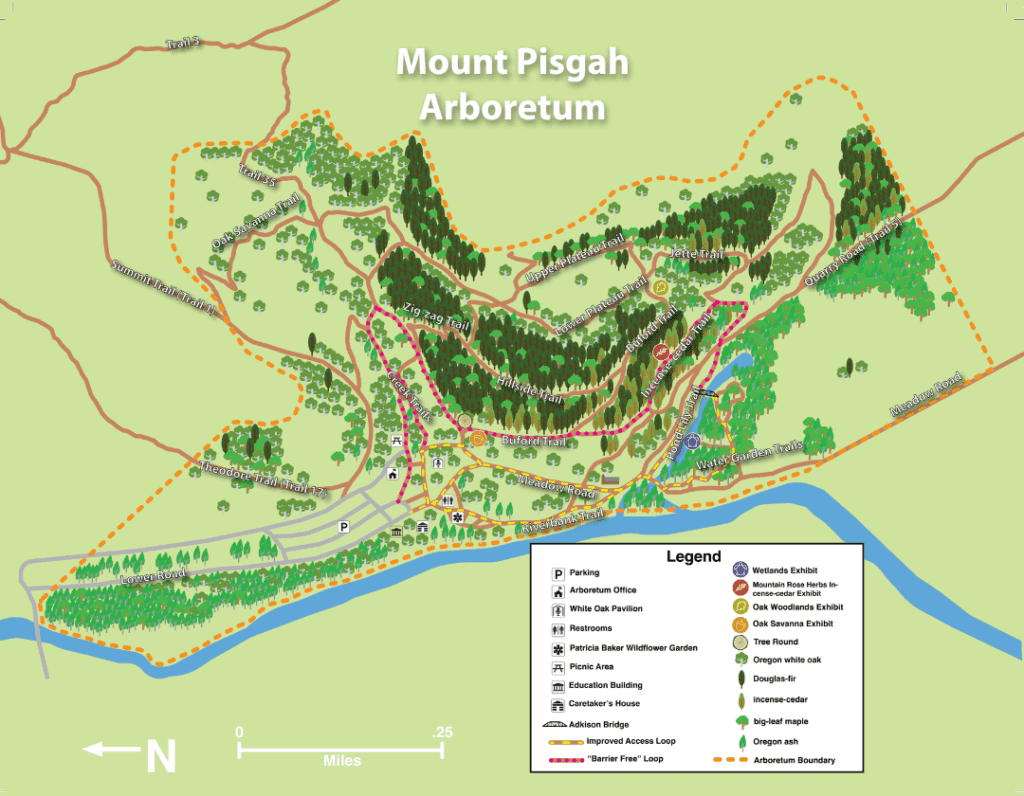
The Arboretum’s strongest appeal is not just that it is scenic, but that it condenses much of the southern Willamette Valley into one place. Its habitat mix includes bottomland riparian forest, oak savanna, woodlands, and prairies, and the organization says those landscapes represent nearly all of the region’s ecology on site. That makes a walk there more than a hike. It is a direct look at the plant communities that shaped Lane County long before the road network, neighborhoods, and park signs.
Lane County’s park system adds scale to that experience. Howard Buford Recreation Area includes Mount Pisgah’s 1,518-foot summit and nearly 30 miles of trails, so a short family outing and a longer ridge or summit walk can happen in the same park complex. The arboretum itself offers seven miles of family-friendly trails, which keeps the site manageable for younger kids, casual walkers, and anyone who wants an outing without committing to a long backcountry day.
What the trails and habitats offer
Mount Pisgah’s trail system is useful because it gives visitors clear choices. The Arboretum identifies named accessible routes, including the Improved Access Loop and the Barrier Free Loop, which makes planning easier for visitors who need flatter terrain or smoother footing. Dogs are allowed on leash, but horses and bikes are not allowed on the Arboretum trails, a policy that helps keep the experience predictable for walkers and school groups.
Recent trail work has added to that access. Two accessible trail projects were completed at Mount Pisgah Arboretum in 2025, strengthening the site’s role as a place where more people can actually get onto the land rather than just look at it from a distance. For Lane County residents, that matters as much as scenery does, because a park only becomes a community resource when people can reach it and use it comfortably.
Why schools, teachers, and volunteers keep returning
The arboretum’s educational footprint is large by local standards. It says it provides field trips for about 3,000 K-5 students each year and hosts about 1,000 people in guided walks and natural history workshops. That turns the site into a recurring destination for elementary classes, homeschool groups, and adults who want structured learning instead of a self-guided stroll.
The learning extends beyond formal programs. The arboretum says it works with local institutions on internships and research, and it supports community science efforts such as bioblitzes, a lichen inventory, and festivals tied to mushrooms and wildflowers. Those projects make Mount Pisgah useful to teachers who need real-world examples, to volunteers who want a task with a clear purpose, and to researchers who need a field site close to Eugene and Springfield.
Support for that work comes from a broad base. The organization says it relies on about 2,000 members and roughly 500 volunteers, with volunteers contributing thousands of hours each year maintaining trails, removing invasive plants, teaching children, and helping run festivals. That labor is one reason the site can function as both a park and an educational center without feeling heavily commercialized.
How to plan a visit without surprises
Mount Pisgah is one of the most affordable outdoor outings in Lane County, but it is not entirely free. Lane County says a valid parking permit is required year-round at most county parks, and the annual all-parks pass costs $40. At Howard Buford Recreation Area, Mount Pisgah says the day-use parking fee for vehicles is $5, bicycles park free, and the fee machine accepts cards only. The Passport Parking app is also available, which gives visitors another way to pay without hunting for cash.
Those logistics matter because the park is often used as a quick escape rather than a special-occasion trip. Families can build a short loop around a trail visit, school groups can plan around the parking rules, and walkers can use the same entrance points throughout the year. Lane County manages HBRA in partnership with the Friends of Buford Park and the Mount Pisgah Arboretum, which is part of why the place feels like a county park but operates with a nonprofit’s hands-on touch.
Festivals that fund the place and anchor the calendar
The arboretum’s signature festivals are not side attractions. The organization says its Wildflower & Music Festival and Mushroom Festival have been community traditions for 40 years, and the Mushroom Festival is described as its biggest fundraising event of the year. That makes the festivals part of the site’s operating model, not just a seasonal diversion.
The Mushroom Festival is held in partnership with Lane Community College and the Cascade Mycological Society, which gives it the kind of educational depth that fits the arboretum’s mission. The Wildflower Festival remains active as well, with the event already scheduled for 2027, a sign that Mount Pisgah’s seasonal calendar is built for continuity rather than one-off spectacle. For visitors, that means the park offers different reasons to return in different months, from spring blooms to fall mushrooms.
The land beneath the trails
Mount Pisgah’s current role rests on a longer land history. In 1973, Oregon’s Parks and Recreation Division acquired what was then called Mount Pisgah Regional Park and immediately gave it to Lane County on a 99-year lease. A state record from that same year says the original property was 2,244 acres and included an 118-acre arboretum, which helps explain how the modern park and education center grew from one larger parcel.
The arboretum’s 2025 annual report adds another layer: the site sits on the traditional homelands of the Kalapuya people. That history belongs in any honest account of the place, because the park’s trails and programs occupy land with a much older human story than the county lease or the current festival schedule. The report also notes partnerships with the University of Oregon’s Environmental Leadership Program and Whole Earth’s Coyote Outdoor School, showing that the site still functions as a working educational landscape rather than a static preserve.
Taken together, Mount Pisgah is one of those rare local places that serves several needs at once. It is a county park, a nonprofit education site, a field classroom, a volunteer hub, and a low-cost trail system that still gives Lane County a summit, prairie, riparian forest, and accessible loops in one compact destination.
This article was produced by Prism’s automated news system from verified source data, official records, and press releases, then run through automated quality and moderation checks before publishing. The system is built and supervised by the people who set the standards it runs under. Read our full AI policy.
Did this article answer your question?