Mutual aid crews contain Mohawk Valley house fire in about an hour
Flames had already reached nearby trees when crews arrived near Wendling and Paschelke roads, but mutual-aid responders knocked the fire down in about an hour.
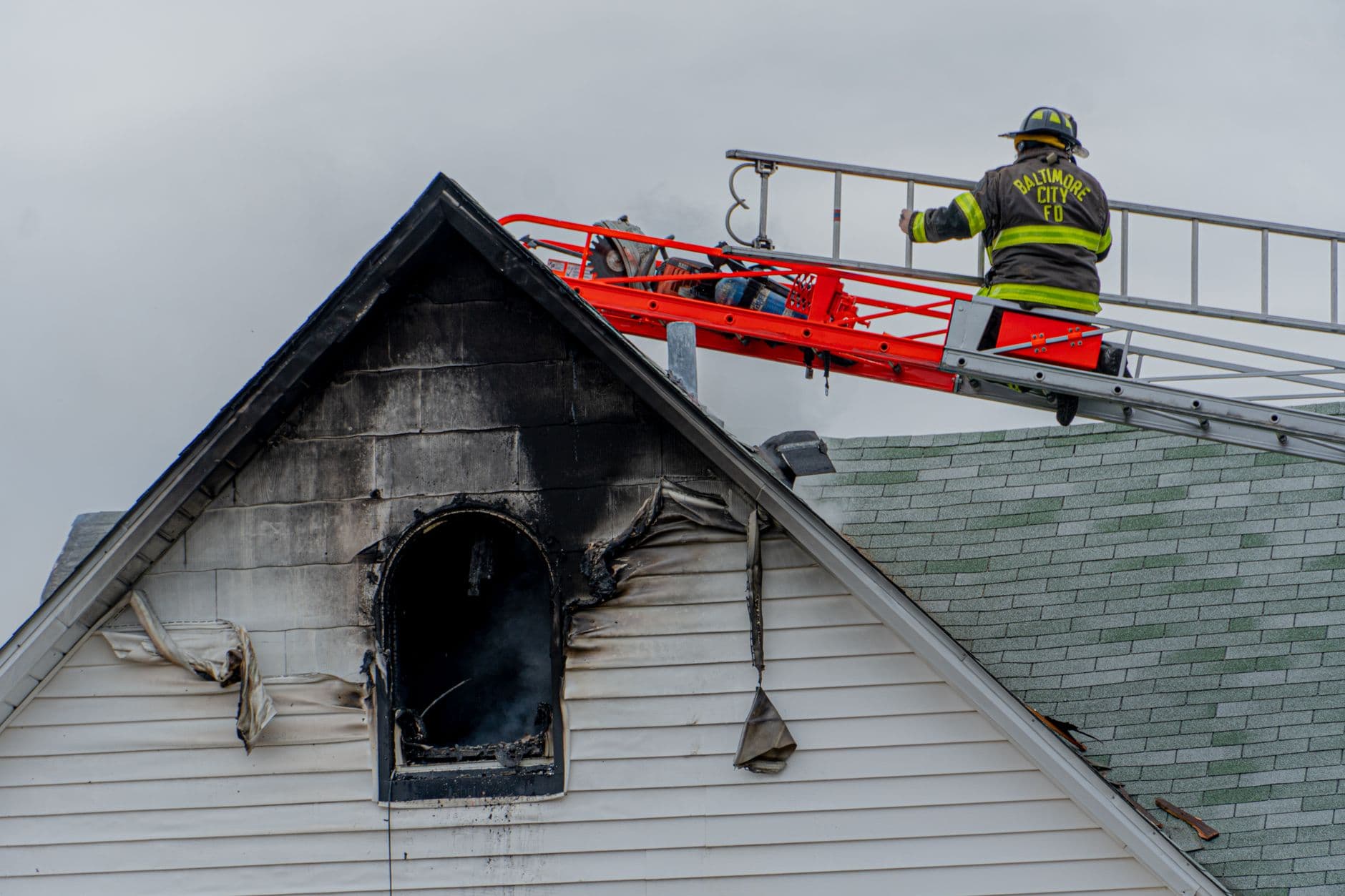
Crews stopped a Mohawk Valley house fire before it could spread deeper into the rural foothills, even after flames had already reached surrounding trees near Wendling Road and Paschelke Road. Firefighters got water on the blaze in less than 10 minutes after the on-duty engine arrived, and the fire was brought under control in about an hour.
The fire was reported just before noon on June 14 in the Mohawk Valley area. When crews reached the home, district officials said it was heavily engulfed in flames, a fast-moving start that could have turned into a much larger rural emergency if responders had been slower to arrive or if wind and dry fuels had pushed the fire farther into the brush.
Mohawk Fire sent one engine, two water tenders, one brush truck, a chief officer and one rescue unit, totaling 13 personnel. McKenzie Fire and Rescue responded with an engine, a water tender and a chief officer. Sweet Home Fire District sent a water tender, Eugene Springfield Fire contributed an engine, a water tender and a chief officer, and Oregon Department of Forestry - South Cascade added a protection supervisor and two engines.
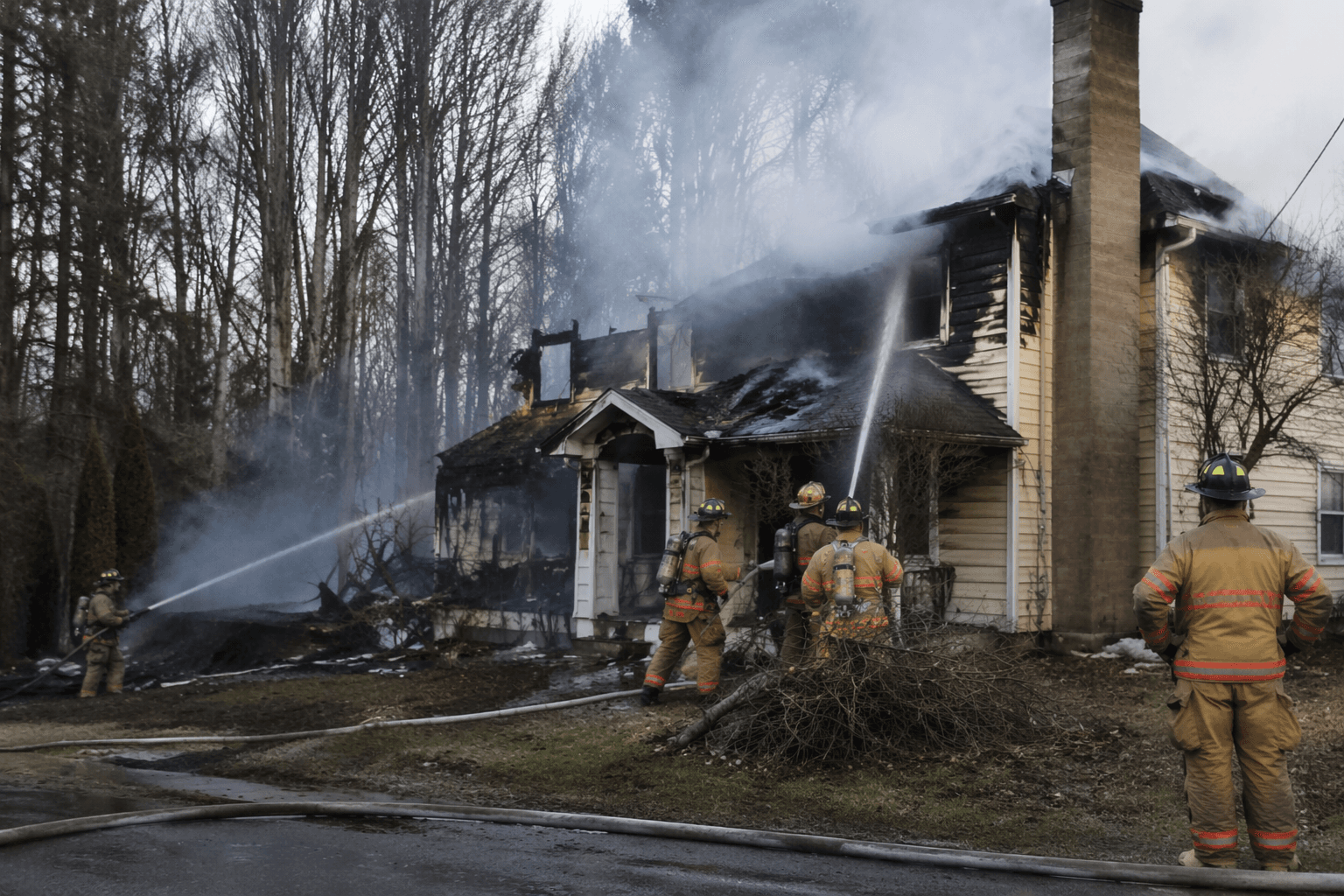
That kind of cross-agency response reflects the realities of fire protection in the Mohawk Valley and other rural parts of Lane County, where homes can sit far from urban stations and where nearby vegetation can turn a structure fire into a broader wildland threat. In this case, crews had to protect not only the house but also the trees around it, underscoring how quickly a residential fire can become a vegetation fire in the foothills.
The incident came during a stretch of heightened wildfire concern across Lane County. In early June, the county told local businesses to prepare for wildfire season, and about 40 cooling centers opened during a heat advisory as extreme conditions raised both health concerns and fire danger. Dry weather, high temperatures and limited water access can all slow response and make mutual aid more important.
Recent fires across the county have shown the same pattern. A Marcola Road barn fire in May required tankers from surrounding agencies because there were no nearby hydrants, and a 2025 Sweet Home house fire drew 32 firefighters and 12 apparatus from multiple departments. The Mohawk Valley response fit that same rural model: fast dispatch, mobile water and coordinated backup kept a house fire from becoming something much larger.
This article was produced by Prism’s automated news system from verified source data, official records, and press releases, then run through automated quality and moderation checks before publishing. The system is built and supervised by the people who set the standards it runs under. Read our full AI policy.
Did this article answer your question?


