Oakridge declares emergency after sewer overflow threatens river
Oakridge told residents to stay clear of a sewer overflow near Fairy Glen Drive as crews traced wastewater toward the Middle Fork Willamette River.
Oakridge residents were told to stay away from the spill area after a sanitary sewer overflow pushed wastewater toward the Middle Fork Willamette River, raising immediate questions about river access, cleanup, and how long the city’s emergency response will disrupt daily life.
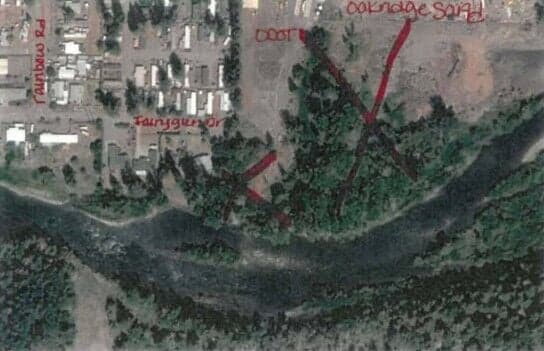
City officials said the city’s drinking water was not affected and remained safe to drink, but they also said the environmental impact downstream was still unknown. The affected outfall is at Oakridge Sand and Gravel, where wastewater enters the Willamette River near the end of Fairy Glen Drive. Signs were posted, the Oregon Department of Environmental Quality was notified, and the city warned people to keep out of the area while crews worked to isolate the problem.
The emergency response escalated quickly on June 3. Public Works Director Robeart Chrisman alerted City Administrator James Cleavenger around 8 a.m., and the city had declared a state of emergency by 10 a.m., according to local reporting. The Oakridge City Council later ratified that declaration in an emergency meeting from 6 to 7 p.m. in the Oakridge City Council Chambers at 48318 1st Street. The council action signaled that leaders were treating the spill as more than a routine maintenance failure.
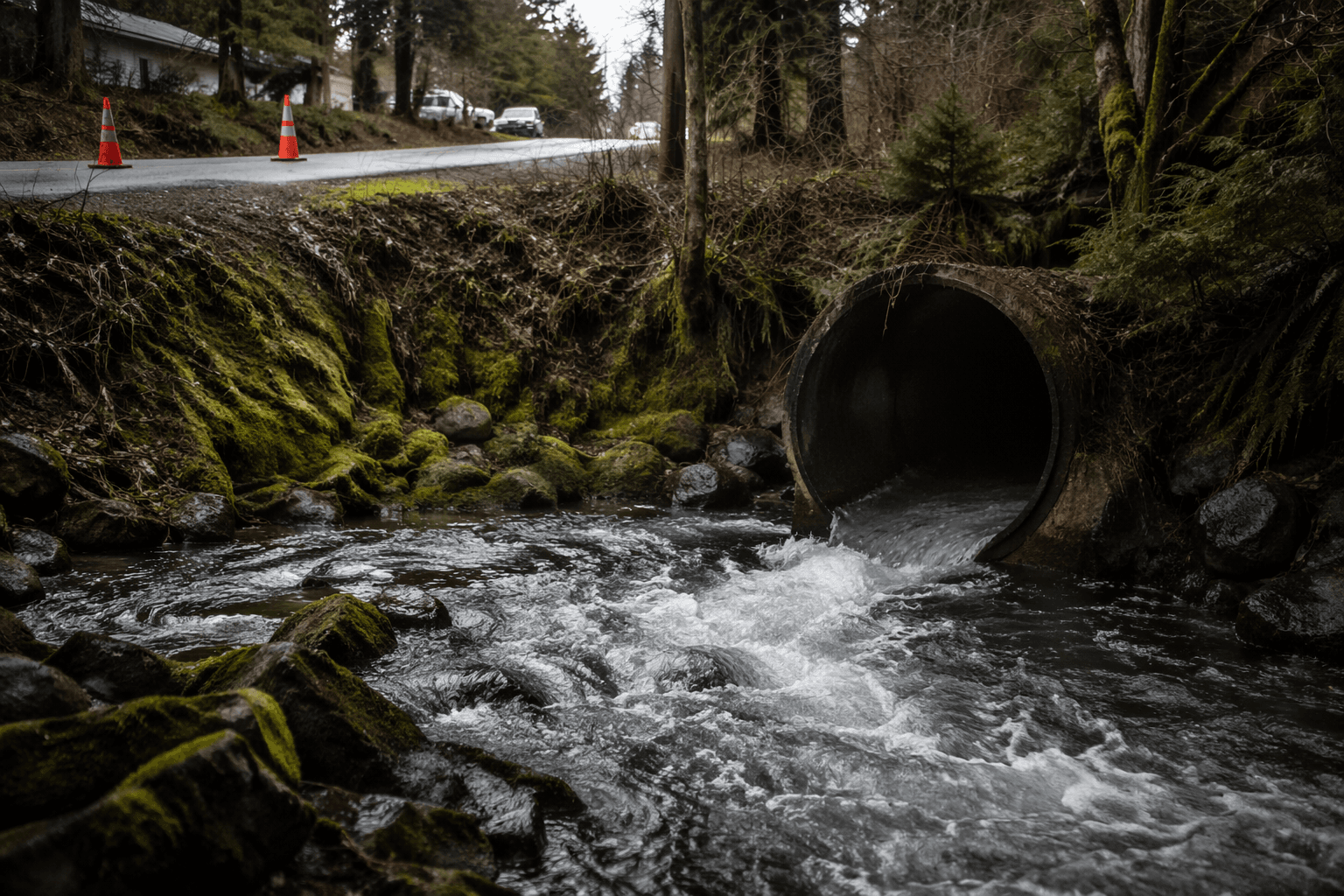
Crews traced the contamination to a plugged sewer line near Subway, where they found sanitary products, rags and other debris. They also found roots growing through joints in aging concrete pipe and evidence that earlier repairs had not held. The blockage forced wastewater through river-rock soil and into a nearby stormwater line, the path that ultimately led to the river.
Oakridge Public Works said it was repairing a broken stormwater pipe north of Highway 58, between the Orchid Clinic and the A and W-Subway building, while engineers worked to determine a permanent fix. The location near a railroad right-of-way could require additional permitting, adding another layer to the cleanup. The city said it had already spent, or would soon spend, the resources it had available and was seeking help from Lane County and state or federal agencies.
DEQ ordered daily upstream and downstream sampling until E. coli levels returned to normal, and testing was not conducted on weekends because the agency and its lab were closed. Lowell officials were notified because the community operates a downstream surface-water system. For Oakridge, the spill has already become a test of confidence in local utilities, river protection, and how fast a small city can contain a sewage failure before it reaches farther downstream.
This article was produced by Prism’s automated news system from verified source data, official records, and press releases, then run through automated quality and moderation checks before publishing. The system is built and supervised by the people who set the standards it runs under. Read our full AI policy.
Know something we missed? Have a correction or additional information?
Submit a Tip