Oakridge's valley geography traps wildfire smoke, hurting health and tourism
Oakridge’s bowl-like valley keeps smoke trapped, turning bad air into a chronic daily-life crisis for schools, workers, and the town’s summer economy.
Why Oakridge gets hit harder
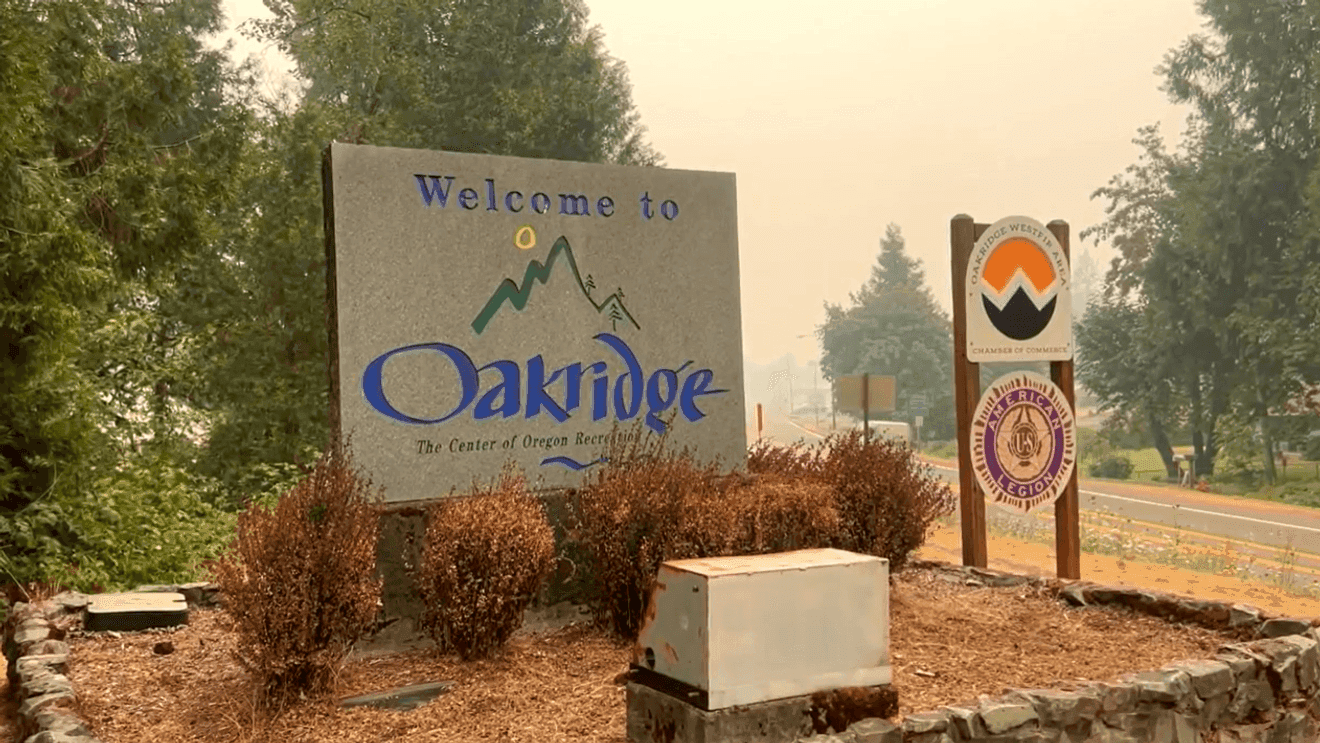
In Oakridge, smoke does not simply drift away. High ridges at the end of the valley trap it, and the basin-shaped valley bottom encourages atmospheric inversions that hold polluted air close to the ground. What might be a brief regional haze elsewhere can become a longer, harsher exposure here, where wildfire smoke and winter woodsmoke both settle in the same place.
That geography helps explain why Oakridge has repeatedly stood out in air-quality discussions across Lane County. The University of Oregon’s Institute for Resilient Organisations and Communities says the town has historically ranked among the top 20 communities in the United States with the worst air quality, a reminder that this is not a one-season problem. In Oakridge-Westfir, the air shed is also the only area in Lane County designated as non-attainment for violating federal particulate matter standards, largely because of wintertime smoke.
What the smoke does to daily life
For Kelly Brewer, an Oakridge City Councilor, the effects are immediate and personal: people cough, their eyes burn, and the smoke changes whether visitors want to come at all. That matters in a town that depends heavily on summer tourism, where clear air is not just a comfort but part of the local economy.
The public-health stakes run deeper than discomfort. Long-term smoke exposure is linked to lung disease and adverse birth outcomes, and Oakridge’s problem is made worse by the reality that some of the worst air is not only wildfire smoke. Ground-level ozone can create similar health harms, and Jason Davis of Lane County Public Health has pointed out a hard truth: ozone cannot be filtered out by a HEPA filter or blocked by an N95 mask. That makes the problem more complicated than simply handing out protective gear and hoping for the best.
A year-round exposure problem, not just a fire-season story
Oakridge’s smoke burden is tied to the calendar in two directions. Summer brings wildfire smoke, while colder months bring woodsmoke from home heating, and the valley can trap both. That is why this has to be treated as a recurring public-health issue, not a one-off emergency that appears only when a nearby fire flares up.
For families, that means planning around bad-air days as part of normal life. For schools, it means the classroom question is no longer just heat or snow but whether the air outside is safe enough for recess, sports, and transport. For people with asthma or other respiratory conditions, the valley’s topography can turn ordinary daily routines into a health decision: stay inside, limit exertion, or risk symptoms getting worse.
What is already in place
Oakridge has not been waiting for outside help to solve everything. Oakridge Air says it has provided more than 2,000 free HEPA air purifiers and continues to seek state and federal support for the work. The program says the Environmental Protection Agency granted Oakridge and Westfir $4.9 million in 2019 and another $2.7 million in 2022 for air-quality projects, with additional backing from the Oregon Department of Environmental Quality.
That funding has gone into practical measures. Oakridge Air says it upgraded filtration in all local schools and public buildings in summer 2020 so people had cleaner indoor air during smoke events. After the Cedar Creek Fire, the Oregon Health Authority also partnered with Oakridge Air in 2022 to distribute air purifiers to Medicare and Medicaid residents, a targeted response that recognized how badly smoke can hit people on fixed incomes or with medical vulnerabilities.
Where people can go when home is not enough
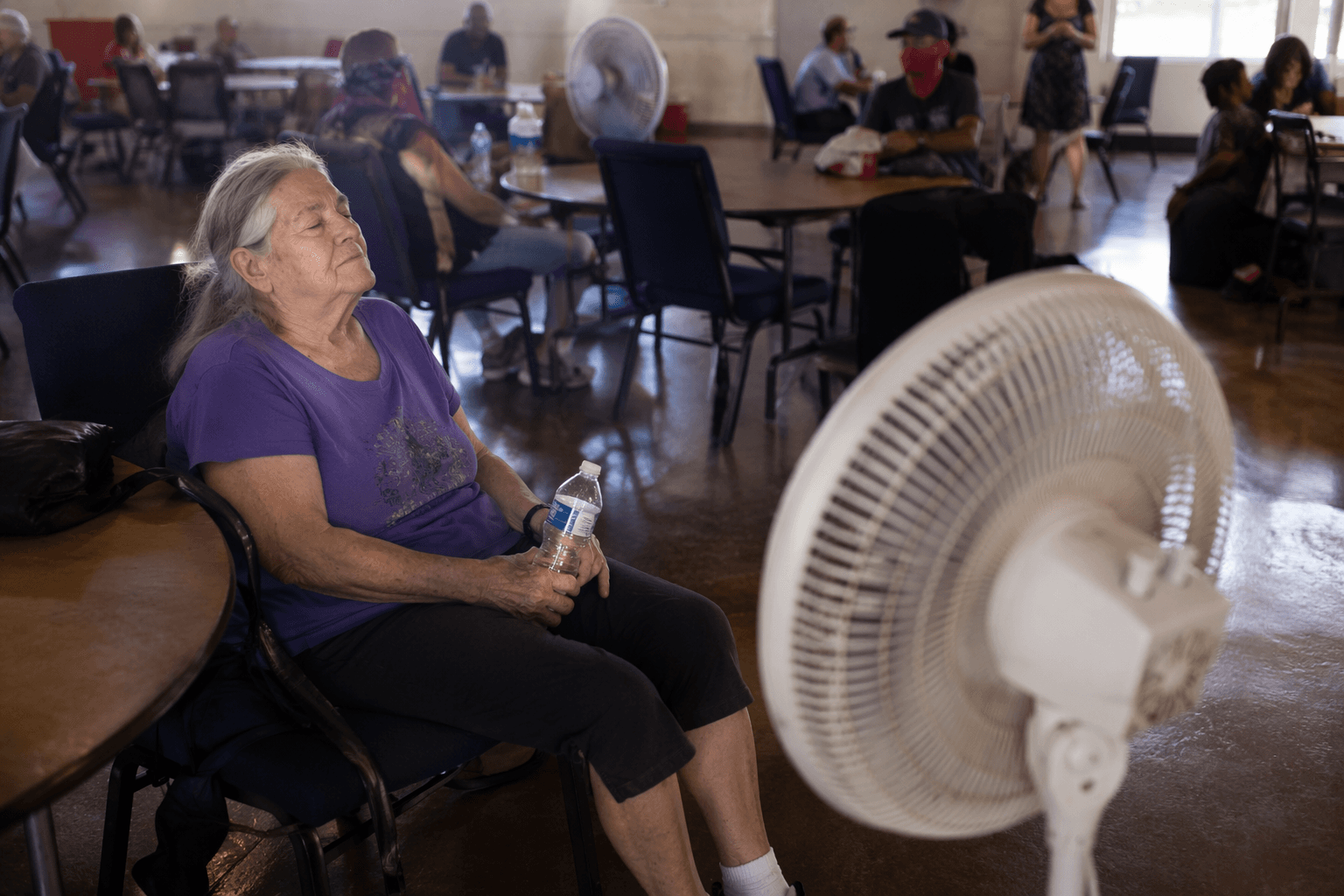
The Willamette Activity Center is being positioned as a backup clean-air shelter for people who do not have effective air purification at home. That matters because not every household can afford a high-quality purifier, replace filters on schedule, or seal an older house well enough to keep smoke out. A shelter only works, though, if residents know when to use it and trust it will be open when conditions turn dangerous.

Oakridge also has a Smoke Safety Plan, drafted in 2021 with Lane Regional Air Protection Agency and Oakridge Air, to improve coordination, communication, and notification around prescribed fire, wildfire, and winter smoke events. The city endorsed that plan in a 2024 county order. The challenge now is making that plan feel like a living public-service tool instead of a document sitting on a shelf.
What residents can actually do this season
When smoke is forecast or already hanging in the valley, the most useful steps are simple, but they work best if households prepare before the next bad-air day arrives.
- Use a HEPA air purifier in the rooms where people sleep or spend the most time.
- Keep windows and doors closed when outside air is smoky, and run air conditioning on recirculate if the system allows it.
- Wear an N95 or similar respirator when wildfire smoke is the main issue and outdoor time cannot be avoided.
- Check real-time wildfire smoke and air-quality updates from local agencies before planning work, school activities, or travel.
- If the air inside is still poor, use a clean-air shelter such as the Willamette Activity Center when it is available.
Those steps are important, but they are not enough by themselves when ozone is part of the problem or when smoke stays trapped for days. That is why local leaders need to keep pressing for better filtration help, clearer public alerts, and evacuation or shelter thresholds that tell residents exactly when indoor protection is no longer sufficient.
Why tourism and health are tied together here
Oakridge’s smoke problem hurts the town twice. It damages lungs and it drains the visitor economy that helps keep the community alive in summer. Regional tourism reporting has shown how badly wildfire smoke can hit Southern Oregon, including a $2 million loss at the Oregon Shakespeare Festival and a 14% drop in July-August visitation at Crater Lake National Park during the 2018 fire season.
That is the lesson for Oakridge and for Lane County: smoke is not just a scenic inconvenience or a temporary nuisance. In a valley like this, geography turns regional haze into a local public-health burden, an economic drag, and a question of equity. The air will keep trapping smoke unless policy, infrastructure, and emergency planning change with it.
This article was produced by Prism’s automated news system from verified source data, official records, and press releases, then run through automated quality and moderation checks before publishing. The system is built and supervised by the people who set the standards it runs under. Read our full AI policy.
Did this article answer your question?