Pacific Power, PGE Rate Hikes Hit Oregon Residential Customers This April
Pacific Power customers in Eugene, Springfield and Cottage Grove saw rates rise 2.9% April 1, adding $4.29/month, in the sixth straight year of increases for Oregon's two largest utilities.
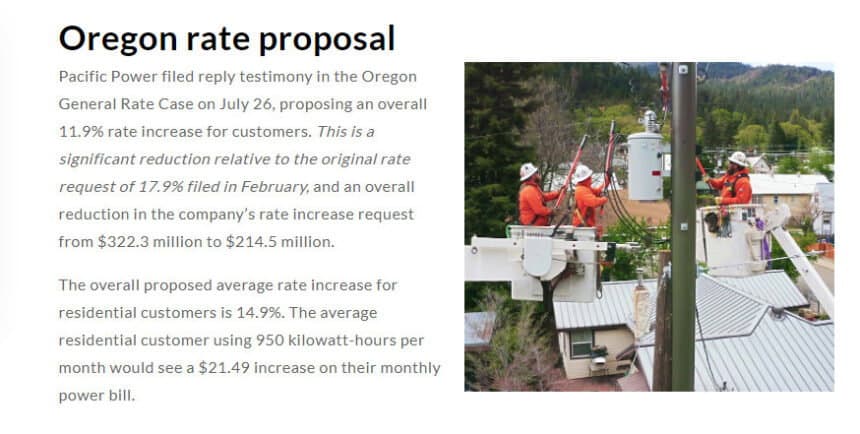
Residential electricity bills climbed again for customers of Pacific Power and Portland General Electric on April 1, marking the sixth consecutive year Oregon's two largest for-profit utilities have raised residential rates. The Oregon Public Utility Commission approved both increases at a meeting March 31, affecting roughly 1.5 million households statewide.
For Pacific Power customers in Lane County, including those in Eugene, Springfield, Cottage Grove, Florence, and Veneta, the adjustment amounts to a 2.9% rate increase, or about $4.29 more per month on the average residential bill. PGE customers elsewhere in the state face a steeper hit: a 5% increase adding roughly $8 a month to typical bills.
The rate changes landed on a new calendar date this year. Historically, Oregon utilities raised rates at the start of November, but the state's FAIR Energy Act now prohibits increases during cold winter months. The April 1 effective date complies with that restriction, though it arrives alongside elevated gas prices, creating compounding cost pressure for many households.
Oregon PUC Chair Letha Tawney explained the commission's rationale in a statement: "As climate change places new and growing pressures on the grid, the Commission carefully evaluates utility spending that supports system hardening and long-term resilience."
The drivers behind both increases are layered. For PGE customers, the increase will fund improvements to the company's distribution system, including adding renewable energy, building substations, and replacing cables. The PGE rate increase also reflects costs associated with the January 2024 winter storm, which caused service interruptions for nearly 400,000 customers and required extensive emergency response and restoration. For Pacific Power, similar factors apply: power costs, storm-related expenses, and renewable energy investments drove the filing. A separate legislative change also doubled the amounts utilities collect from ratepayers for Oregon's low-income energy assistance programs, from $20 million per year to $40 million.

Consumer advocates are watching the accumulation closely. Some customers are now paying 50% more on their energy bills than they did at the start of the pandemic. Oregon Citizens' Utility Board outreach and communications director Charlotte Shuff put a finer point on it: "We need to know what to expect from our utility bills and know our utilities, regulators, and advocates are planning for any increases with customers at the top of mind."
A Sightline Institute analysis found that most of the state's load growth over the last decade has come from commercial and industrial users, with data centers in particular driving infrastructure demand that eventually gets spread across all ratepayers. PGE residential demand grew roughly 10% over the last decade, while the industrial customer class that includes data centers grew nearly 70% in the same period.
Pacific Power's Power Cost Adjustment Mechanism and Renewable Adjustment Clause, both overseen by the Oregon PUC, govern how the utility reconciles projected versus actual fuel and purchased-power costs from prior years. The April 1 adjustment reflects that reconciliation for 2024, meaning Lane County customers are now partly paying for what the utility spent two years ago.
Customers seeking to offset the increases can contact Pacific Power directly about its low-income bill payment assistance fund, which expanded under recent state legislation, or explore weatherization and energy-efficiency programs available through the utility and the state.
This article was produced by Prism’s automated news system from verified source data, official records, and press releases, then run through automated quality and moderation checks before publishing. The system is built and supervised by the people who set the standards it runs under. Read our full AI policy.
Did this article answer your question?