River Road neighbors worry about reckless e-bike and scooter riders
River Road residents say speeding e-bikes and scooters are turning crosswalks and sidewalks into near-miss zones, even as Eugene expands micromobility.
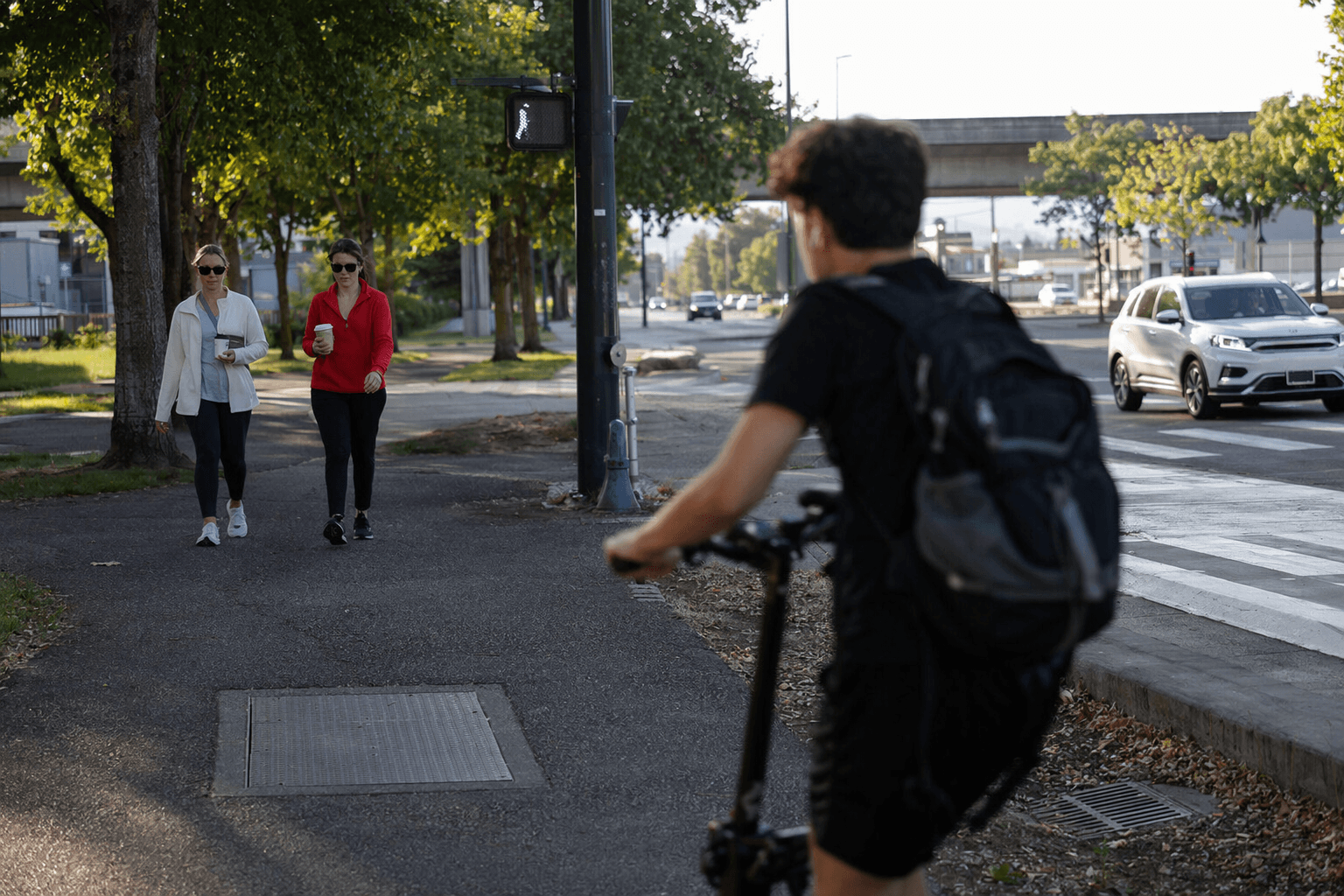
River Road neighbors say e-bikes, scooters and mini motorcycles have become a daily safety gamble, with riders speeding in and out of traffic, cutting across paths and leaving pedestrians and drivers bracing for a crash. The complaints are centered in one of Eugene’s most familiar north-side corridors, where residents say the problem feels especially urgent near busy streets, shared-use paths and school routes.
The concern is not just about irritation. It is about who is riding, where they are riding and whether the area’s streets and paths can absorb the behavior residents say they are seeing. River Road already sits inside Eugene’s broader safety push. The city adopted Vision Zero in November 2015, later reduced the speed limit on a stretch of River Road from 45 mph to 35 mph between Azalea Drive and Beacon Drive, and has kept the corridor in focus through long-running transportation planning. The River Road and Highway 99 Corridor Study is backed by a $350,000 Federal Transit Administration grant with Lane Transit District, and the River Road-Santa Clara Neighborhood Plan was adopted by Eugene and Lane County in April 2024.
At the same time, Eugene has been building a micromobility system rather than pulling away from it. The city began planning a shared e-scooter pilot in 2019, launched the pilot on March 31, 2023, and reported more than 125,000 trips in its first five months. More than 1,160 people took part in the city’s six-month survey, and the final scootershare report said the community response was mixed, with riders, parking, safety, sustainability and equity all part of the review.
The rules are more complicated than many riders appear to realize. Eugene’s micromobility ordinance, adopted in July 2022, defines a micromobility device as a lightweight human- or electric-powered vehicle no more than 3 feet wide and, when electric, capable of no more than 20 mph. The city also uses geofencing speed restrictions for shared devices. Under city and state guidance, Class 1 and Class 2 e-bikes are allowed on roads, lanes and shared-use paths where bicycles are allowed, while Class 3 e-bikes are treated as vehicles under Oregon law and are not allowed in bike lanes or shared-use paths. Anything outside those classifications is treated as a motor vehicle and is not allowed on trails.
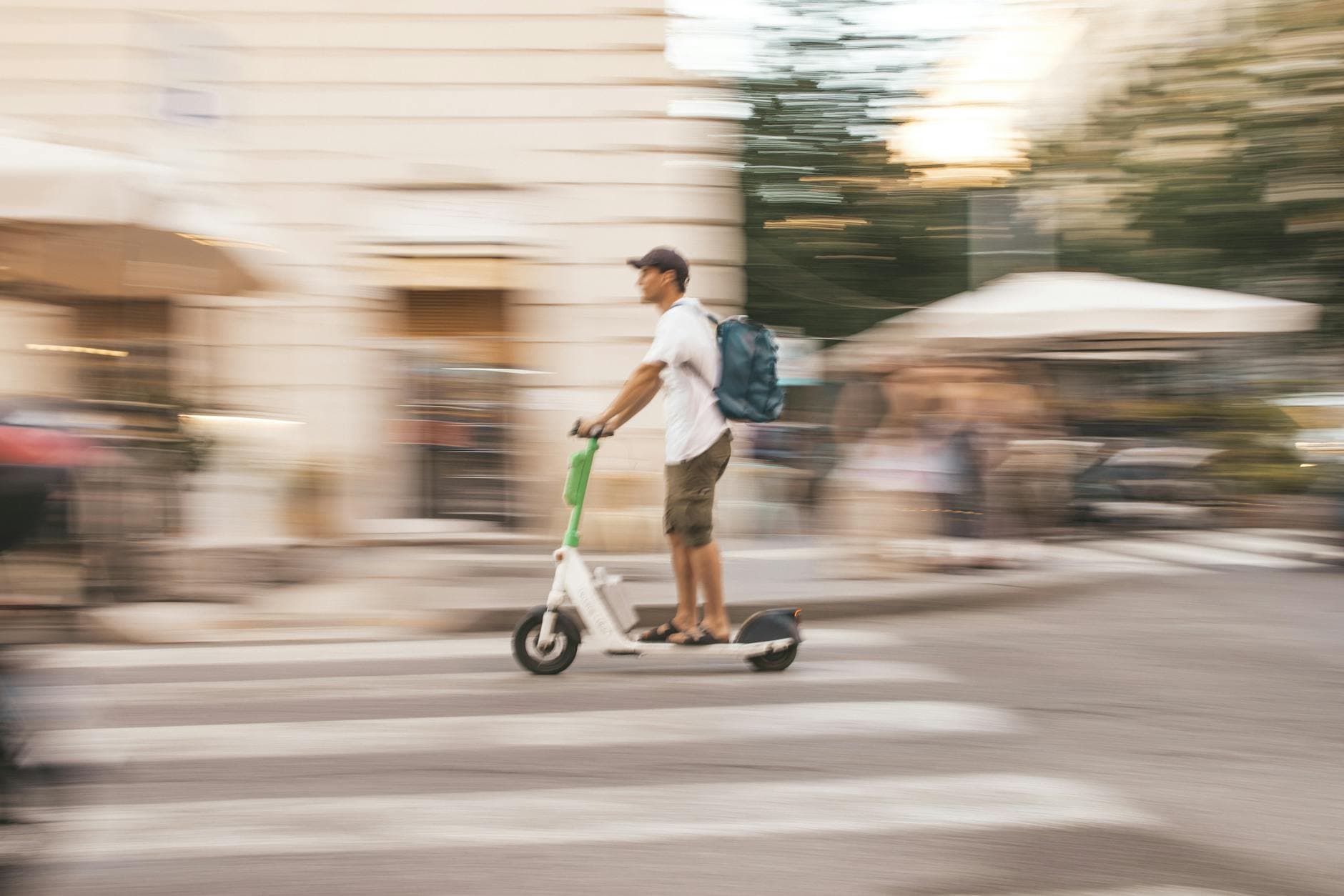
Eugene Police Sgt. Joel Peckels has said the issue often comes down to education and misunderstanding, especially when devices are not pedal-powered and are used on public property. That puts River Road at the intersection of two competing pressures: more demand for low-cost, low-emission travel and more anxiety from residents who believe the neighborhood’s streets were never designed for this level of speed and chaos. The River Road-Santa Clara bicycle and pedestrian bridge, a Safe Routes to School priority because half of North Eugene High School students live north of Beltline, underscores how much the city is trying to make the area safer for walking and biking. Residents now want the same urgency applied to reckless riders before a close call becomes a fatal one.
This article was produced by Prism’s automated news system from verified source data, official records, and press releases, then run through automated quality and moderation checks before publishing. The system is built and supervised by the people who set the standards it runs under. Read our full AI policy.
Did this article answer your question?


