South Fork McKenzie River restoration to reconnect floodplain, boost habitat
A $6.4 million project near Blue River will reopen 335 acres of floodplain, helping protect Eugene’s drinking water and spring Chinook habitat.
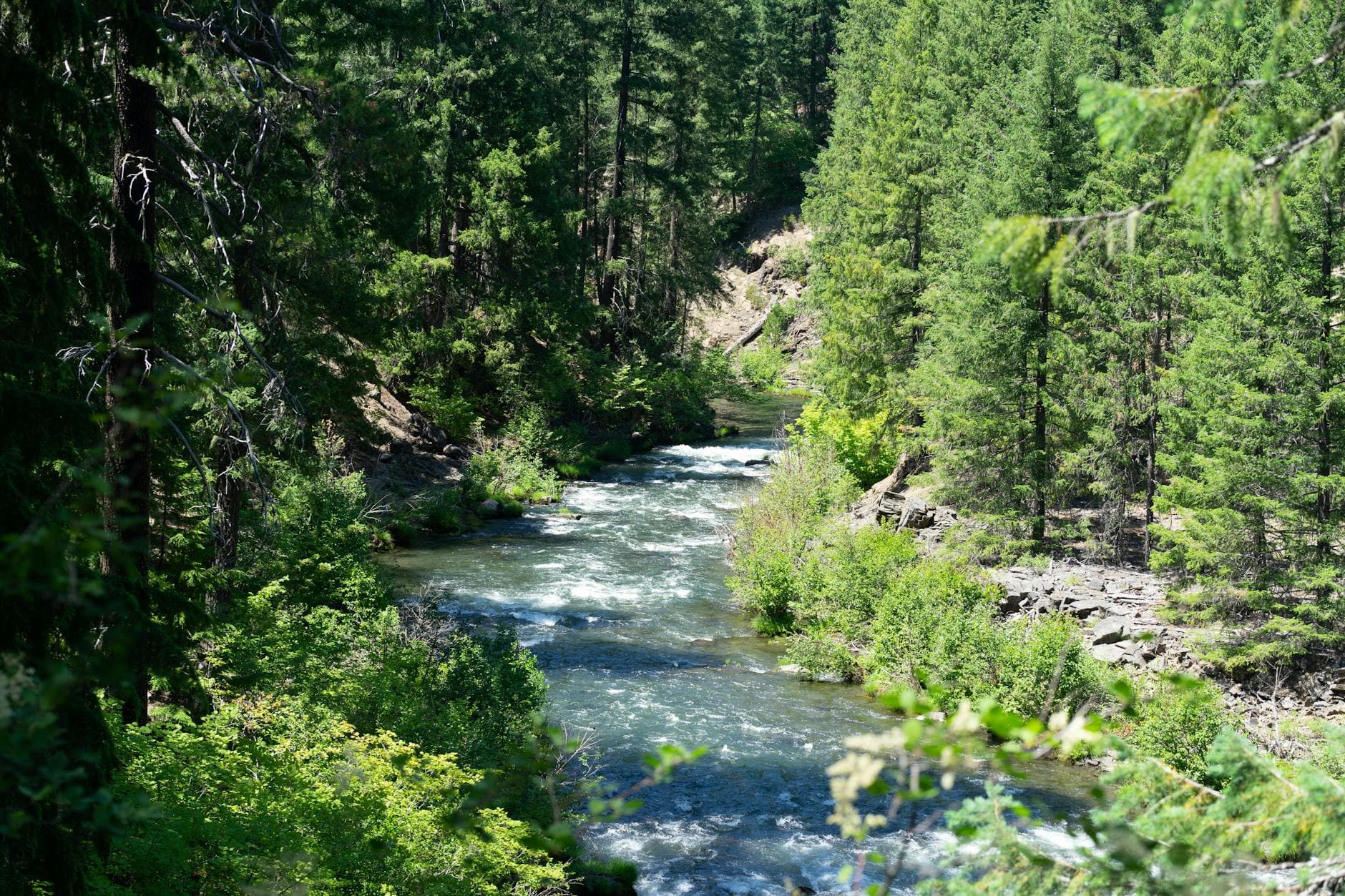
Crews were set to begin a major rebuild of the South Fork McKenzie River near Blue River in early May, opening more than 335 acres of historic floodplain along a 1.8-mile stretch upstream in one of Lane County’s most important watersheds. The work, Phase 3 of the Lower South Fork McKenzie River Valley Reconnection Project, aimed to give the river room to spread out again after years of channel changes tied to land use, flood control and Cougar Dam.
The project carried direct stakes for the Eugene area, where the McKenzie River is the sole drinking water source for about 200,000 people. By reconnecting the floodplain, planners expected the river to slow down during storm events, churn up less sediment, and recharge groundwater more effectively. Those changes were designed to improve the reliability of the water supply while also making the system more resilient to the kind of high-flow swings that can strain treatment and habitat alike.
The restoration plan used a Stage 0 Floodplain Restoration approach, a method that reshapes a river corridor so water can move across a wider surface instead of being confined to a narrow channel. Large wood placement, sediment redistribution and side-channel reactivation were part of the work near Blue River. The goal was to move the South Fork McKenzie closer to its natural floodplain function, creating shallower edges, slower water and more varied habitat for spring Chinook salmon, bull trout and native plants and wildlife.
The $6.4 million project was being carried out by the USDA Forest Service, McKenzie Watershed Council, Eugene Water & Electric Board and McKenzie River Trust. It built on more than a decade of restoration work in the McKenzie basin, where agencies and land managers have been working to repair floodplain processes that were altered over time. For Lane County communities downstream, the payoff was practical as well as ecological: cleaner, more stable water upstream should help protect fish habitat and the drinking water system that serves the Eugene area every day.
This article was produced by Prism’s automated news system from verified source data, official records, and press releases, then run through automated quality and moderation checks before publishing. The system is built and supervised by the people who set the standards it runs under. Read our full AI policy.
Did this article answer your question?