Springfield chamber warns economy still feels pandemic-era disruption
Springfield business leaders said pandemic-era disruption is still rippling through hiring, prices and service levels, even as major employers try to steady the local economy.
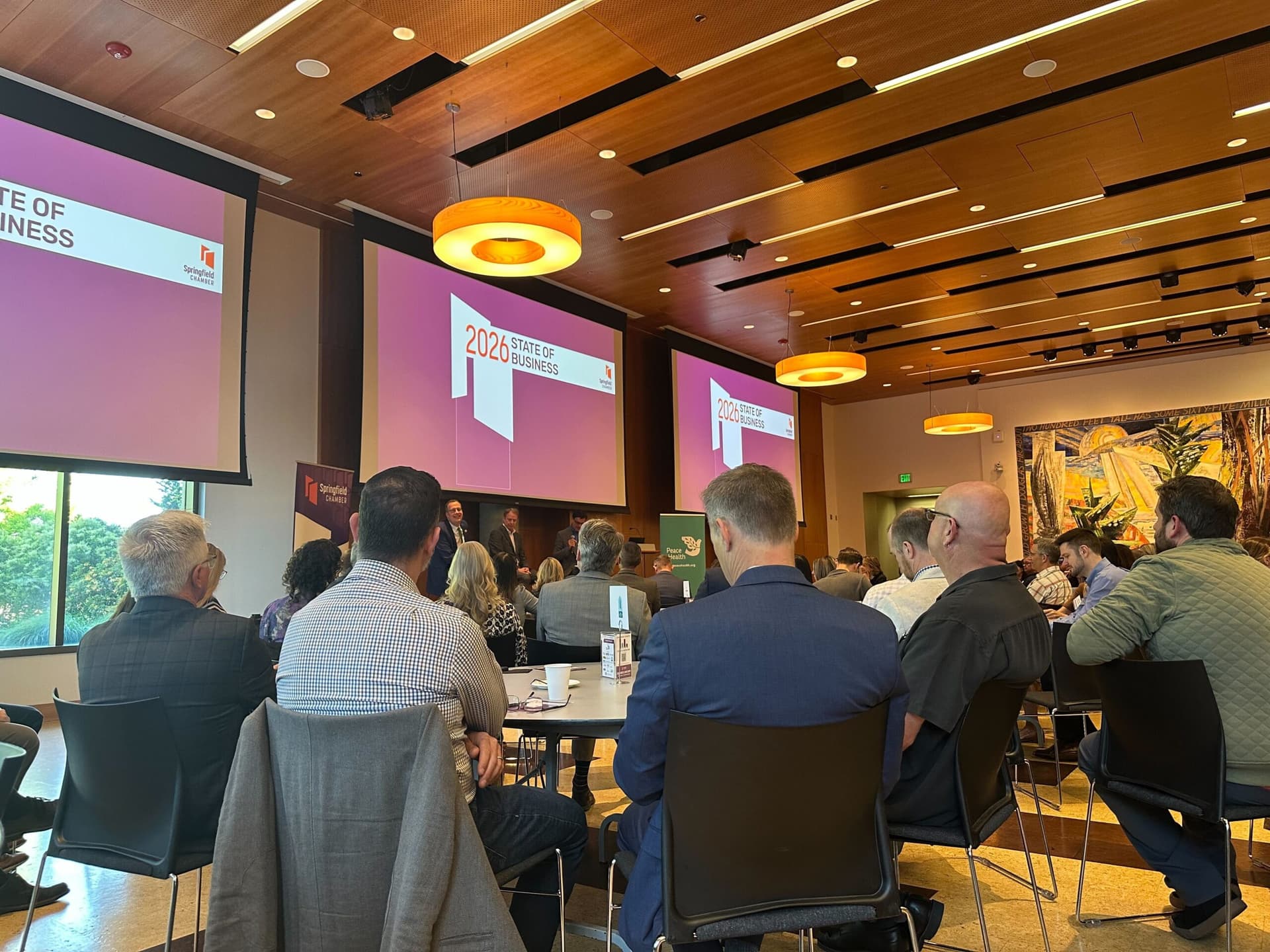
Springfield’s economy is still carrying the drag of COVID-era disruption, and chamber leaders said that strain is showing up in hiring, operating costs and how local businesses plan for growth. The Springfield Area Chamber of Commerce used its eighth annual State of Business program on May 28 to put a fresh warning in front of employers, with guest speakers looking at the broader Oregon economy while also focusing on what Springfield and Lane County are facing now.
The clearest message was that the pandemic did not end the economic ripple effects when restrictions lifted. Local businesses are still adjusting to inflation, labor shortages, changed consumer habits and the lower predictability that came with years of disruption. That has left many employers trying to balance higher costs with customers who remain sensitive to prices, while also rethinking how much service, staffing and expansion they can afford.

The discussion included major local institutions that help shape the day-to-day economy in Springfield, including Springfield Utility Board, Lane Transit District and PeaceHealth. Their presence underscored that this is not just a story about private business sentiment. Utilities, transit and health care are part of the region’s core operating system, and when those organizations face labor pressure, cost increases or shifts in demand, residents feel it in service availability, wages, hiring and the pace of local investment.
Chamber leaders framed the current moment as one of both difficulty and opportunity. On one hand, the region is still dealing with aftereffects from pandemic-era changes in staffing, customer expectations and business confidence. On the other, employers continue to look for ways to stay competitive, attract customers and strengthen the local workforce. That tension is especially visible in Lane County, where health care, transportation, utilities and retail all feed into the broader jobs picture and help determine whether the local economy feels steady or strained.
For Springfield households, the effects are practical rather than abstract. They show up when prices stay high, when service is slower than it used to be, when hiring remains hard for local employers and when companies hesitate to expand. The chamber’s annual outlook suggested that the region has moved past the shock of the pandemic, but not past its economic consequences, and that the search for a more stable operating environment is still shaping the local business climate.
This article was produced by Prism’s automated news system from verified source data, official records, and press releases, then run through automated quality and moderation checks before publishing. The system is built and supervised by the people who set the standards it runs under. Read our full AI policy.
Did this article answer your question?