Springfield Holds Community Walk and Bike on Rebuilt Mill Street
On November 22, Springfield invited residents to a community walk and bike event celebrating completion of a major Mill Street reconstruction between South A Street and Centennial Boulevard, marking the corridor's return to full use. The project introduced ADA compliant sidewalks, upgraded utilities, improved lighting, and bike facilities, outcomes that aim to boost local safety and support active transportation.
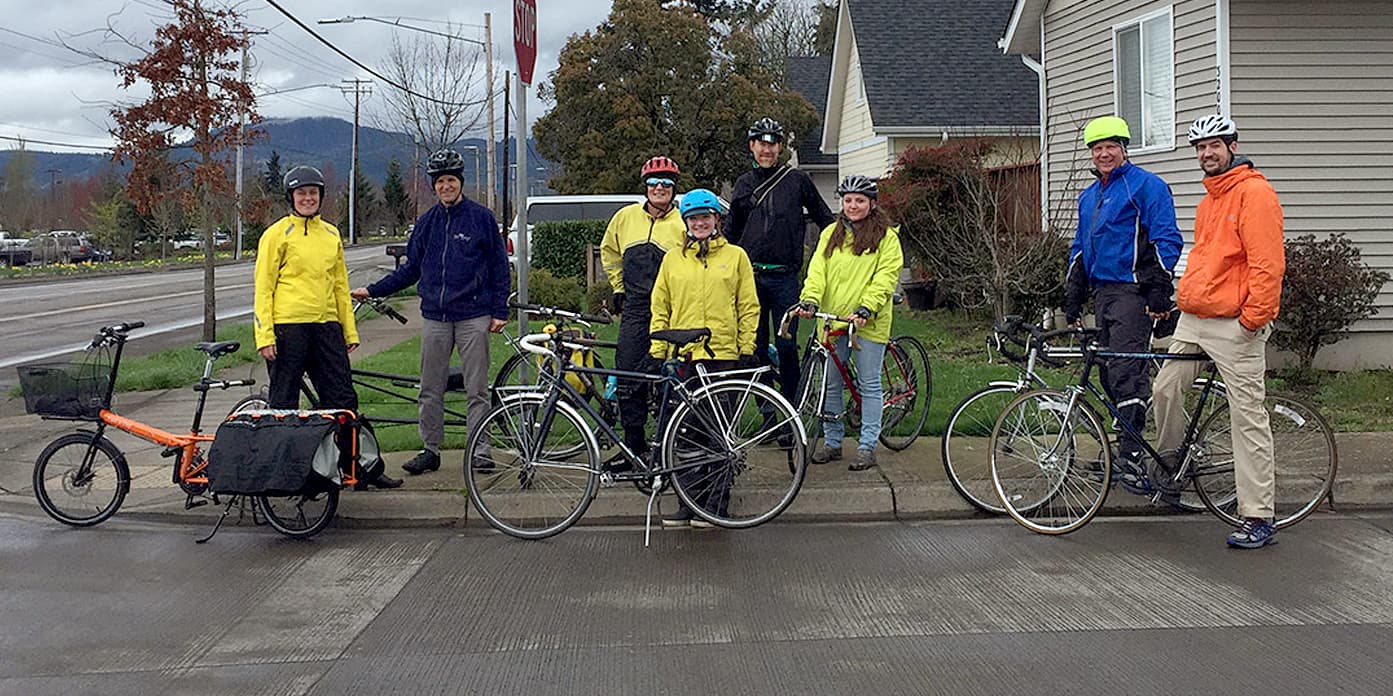
Residents gathered on November 22 to mark the reopening of Mill Street after a multiagency reconstruction project that began in 2024. The City of Springfield coordinated with the Oregon Department of Transportation and private contractors to replace pavement, install ADA compliant sidewalks and curb ramps, upgrade stormwater and wastewater systems, and add improved lighting, dedicated bike facilities, and traffic calming measures. The community met at Lovely Café, 111 Main Street, at 10:30 a.m. for an 11 a.m. group ride down the newly rebuilt corridor.
The project addressed both visible and subterranean needs. City and regional planners said aging underground utilities were a primary driver for reconstruction, and the upgrades aim to reduce future service interruptions while meeting accessibility requirements. The addition of bike facilities and traffic calming responds to long standing local concerns about pedestrian and cyclist safety on Mill Street and its connections to adjacent neighborhoods.
Institutionally the work illustrates coordination between municipal public works and a state transportation agency to combine street renewal with utility replacement and active transportation enhancements. Such coordination can accelerate timelines and reduce duplication of disruption that separate projects would cause, but it also requires sustained interagency planning and clear maintenance responsibilities going forward. For residents this means a single, comprehensive disruption in 2024 led to a longer term gain in infrastructure resilience and accessibility.
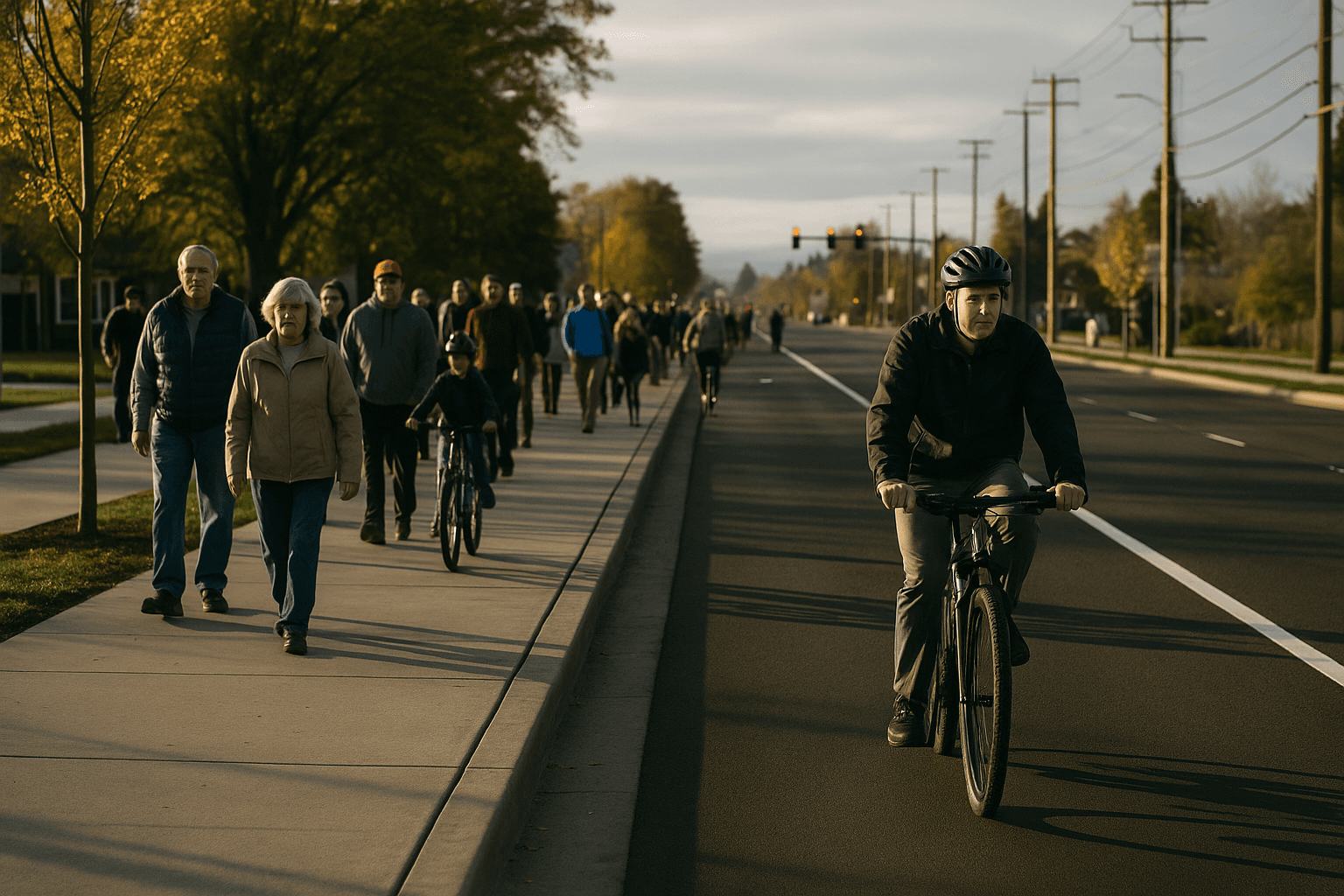
Local policy implications include how the city prioritizes funding for multimodal projects and underground utilities in future budget cycles. Visible community participation in the reopening event underscores public interest in safe walking and biking options and may influence council and budget discussions around similar corridors.
The reopening returns a key east west corridor to full service, with immediate effects for daily commutes, school routes, and local businesses. Ongoing monitoring of the new infrastructure, routine maintenance, and follow up on traffic calming performance will determine whether the project meets its safety and reliability goals for Lane County residents.
Know something we missed? Have a correction or additional information?
Submit a Tip