Springfield infrastructure chief Brian Conlon retires after 47 years of service
Brian Conlon retires after 47 years, leaving Springfield with street, stormwater and public works projects still moving on Harlow Road, Aspen Street and beyond.
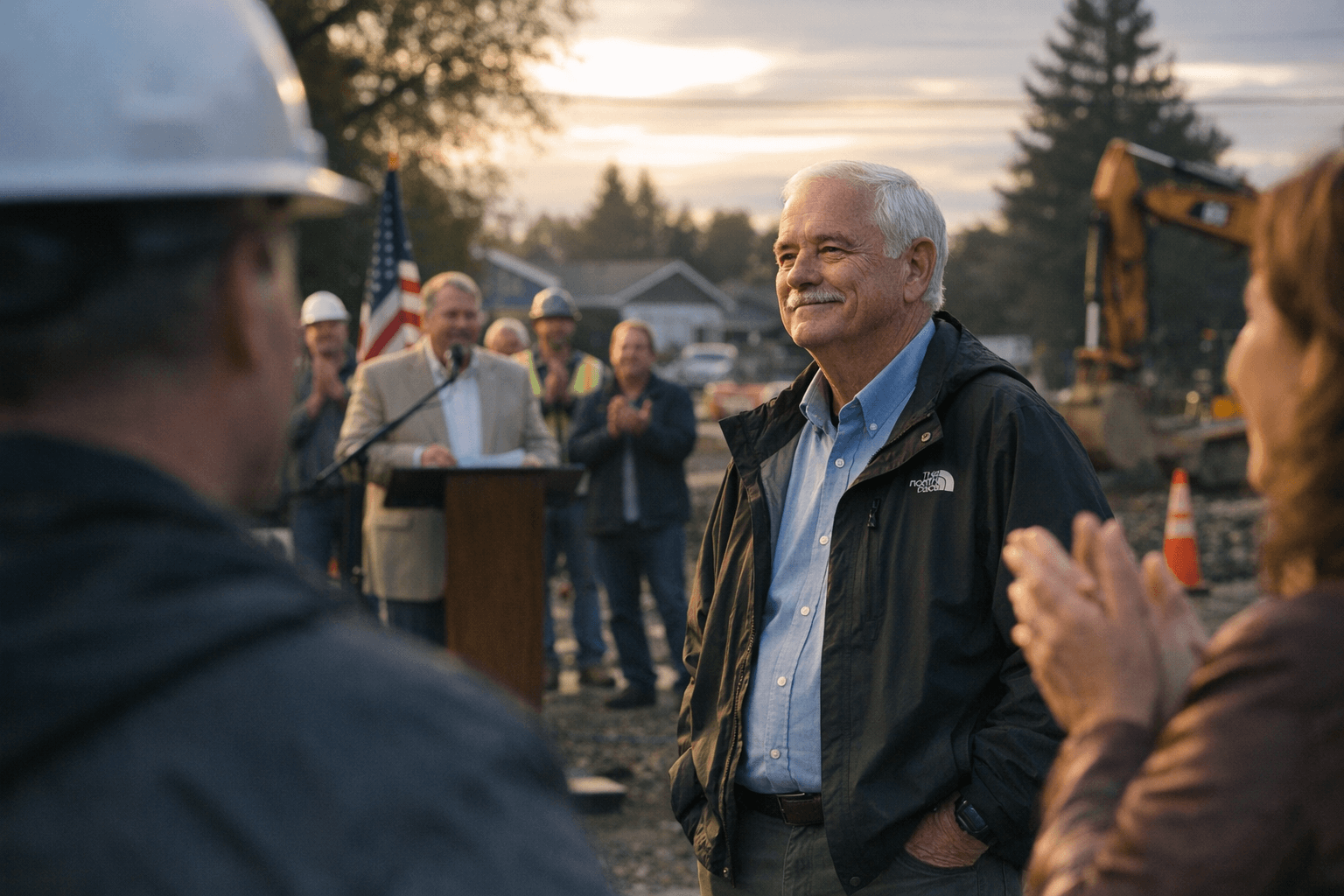
Brian Conlon’s retirement closes out 47 years of work on the systems Springfield residents see every day, from streets and traffic signals to stormwater, wastewater and city facilities. The longtime public works leader leaves behind a department still carrying major street repair work and other infrastructure projects through the next phase.
Conlon joined the City of Springfield in May 1979 as an operations and maintenance field worker and rose steadily through the ranks. He became team supervisor in 1988, maintenance manager in 2007 and division director in 2019, a path that gave him a rare view of the city’s infrastructure from the field side all the way to management.
In his role as Development and Public Works Department Operations Division director, Conlon oversaw operations covering facilities, subsurface collection systems, streets and traffic operations. The division’s work extended far beyond potholes and patchwork. It included building and facilities maintenance, vehicle and equipment maintenance, street maintenance, wastewater collections, storm drainage, street trees and landscape maintenance, traffic control maintenance, the fall leaf program, ice and snow control, a spring cleanup program, an apprenticeship program and a drone survey program.
That broader system mattered most when weather turned bad. Conlon helped improve Springfield’s response to storms and flooding by adding resources such as additional sanders, and he moved Emergency Management into the Operations Division so crews could coordinate more smoothly during severe weather. He also expanded the city’s GIS services, giving staff and the public better access to data used for planning, development and maintenance decisions.
His tenure also lined up with a major push to rebuild Springfield streets. Voters approved a street repair bond in 2018, then backed Measure 20-351 in May 2024, a five-year, $20 million general obligation bond for street repairs. The city estimated the bond would cost about $0.74 per $1,000 of assessed value each year for five years, or about $135 a year for a home with a median assessed value of $182,500.
City officials said more than half of Springfield’s streets had cracking, potholes and grooves, and fixing all of them would cost about $50 million. The 2024 bond targeted six streets: Harlow Road, Aspen Street, G Street, 36th Street, Daisy Street and 58th Street. By early 2026, city staff were designing all six projects at once, with construction on the first three expected in summer 2026.
City Manager Nancy Newton described Conlon as a valuable leader and mentor. As Springfield moves ahead with transportation, stormwater, wastewater and public facilities planning, the city will be carrying forward not just projects, but the institutional knowledge built over nearly half a century.
This article was produced by Prism’s automated news system from verified source data, official records, and press releases, then run through automated quality and moderation checks before publishing. The system is built and supervised by the people who set the standards it runs under. Read our full AI policy.
Did this article answer your question?