Steps to Take After a House Fire in Lane County
If your Lane County home burns, evacuate, call 911, and contact Eugene Fire & EMS or Springfield Fire, then connect with the American Red Cross Cascades and Lane County Emergency Management for shelter and recovery.
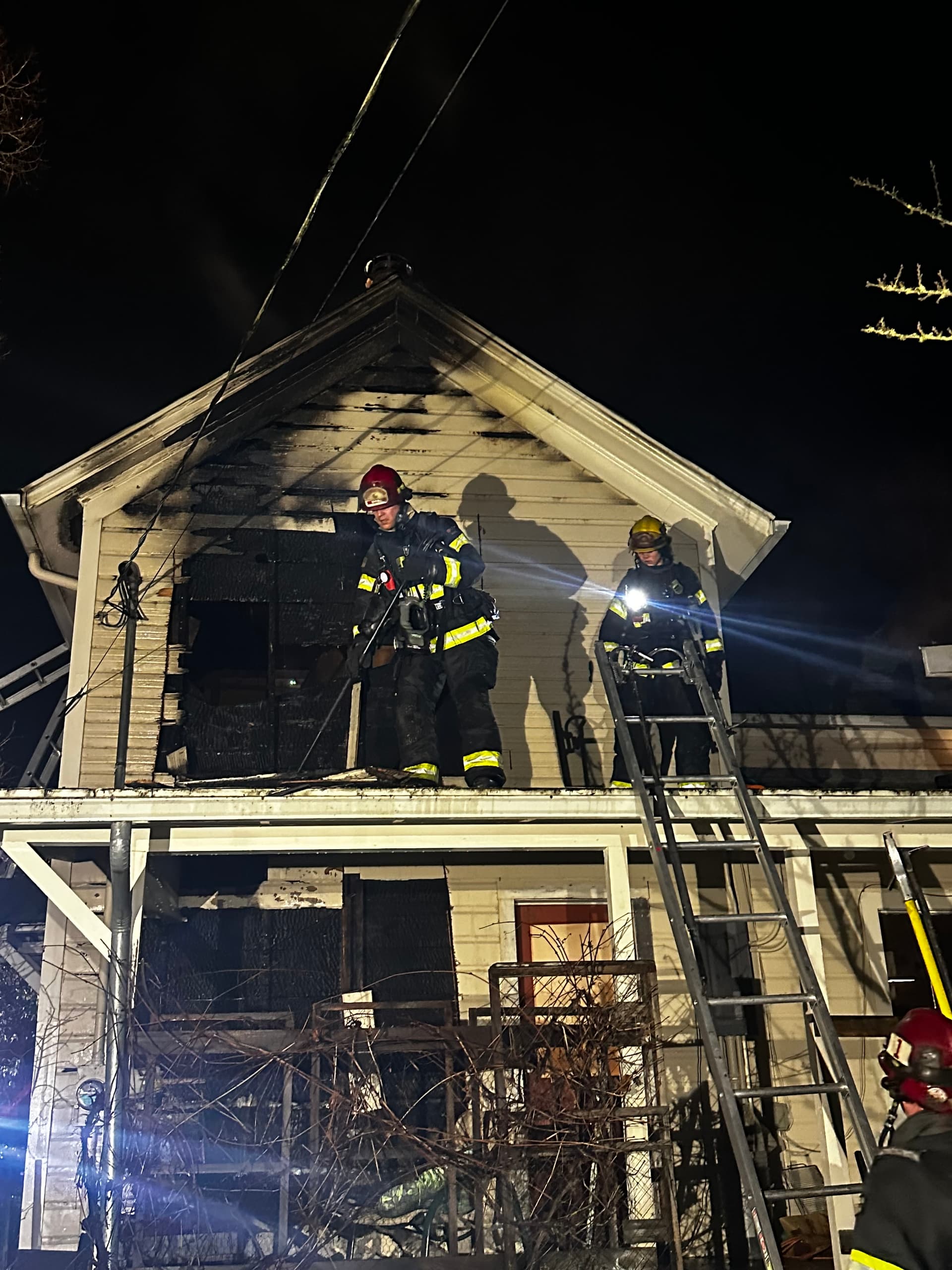
House fires are disorienting and traumatic. If you or a neighbor experiences a house fire in Lane County, Oregon, follow these clear, sequential steps to protect health, secure property, access emergency shelter and begin the recovery process with local agencies.
1. Get to a safe location and call 911
If you are able to leave, evacuate immediately to a safe distance and then call 911 so dispatch can confirm fire suppression and medical response. In the Eugene–Springfield area the responding agencies often include Eugene Fire & EMS or Springfield Fire & Life Safety; rural calls may be handled by district fire departments coordinated through Lane County Emergency Management. Tell dispatch your exact address and any known hazards (gas meters, propane tanks, mobility-impaired residents).
2. Seek immediate medical attention for injuries or smoke exposure
If you or anyone else is injured or has inhaled smoke, request EMS transport when you call 911 or go directly to PeaceHealth Sacred Heart Medical Center in Springfield or the nearest emergency department. Smoke inhalation can cause delayed respiratory problems; tell clinicians about soot exposure, burns, and any chronic health conditions such as asthma or heart disease so they can prioritize care.
3. Do not re-enter the home until fire officials say it’s safe
Firefighters and the Oregon State Fire Marshal or local fire investigator will determine when the structure is safe to enter. Structural collapse, hidden hotspots and electrical hazards remain dangerous after flames are out; entering too early risks serious injury and can interfere with origin-and-cause investigation led by the fire agency on scene.
4. Get a copy of the fire or incident report
Ask the responding fire department, Eugene Fire & EMS, Springfield Fire, or the local district, how to obtain the incident report and the investigator’s contact. That report documents cause, damage estimates and official times; insurers and FEMA-style assistance programs often require the report number when you file claims or apply for aid.
5. Notify your insurer and start a claim immediately
Call your homeowner or renter insurance company as soon as you can and provide the fire incident report number and photos if you have them. Insurers often assign an adjuster to inspect damage and approve temporary living expenses; keep records of every expense, hotel receipt, clothing or replacement-medication purchase and the adjuster’s name and claim number.
6. Contact the American Red Cross Cascades for immediate assistance
If you need emergency shelter, clothing or food, contact the American Red Cross Cascades chapter which provides short-term shelter and disaster casework across Lane County. Red Cross caseworkers can register you for emergency lodging and help coordinate with local shelters and social-service agencies if you’re displaced.
7. Connect with Lane County Human Services and public health resources
For longer-term needs, housing placement, financial assistance for basic needs, or public-health follow-up for smoke-exposed individuals, reach out to Lane County Human Services and Lane County Public Health. These local agencies can link you to rental assistance programs, behavioral-health referrals and resources for children, seniors and people with disabilities affected by the fire.
8. Secure the property and prevent theft
If the structure is safe to approach, board or secure openings only after consulting the fire investigator and local law enforcement, Eugene Police Department or the Lane County Sheriff’s Office depending on jurisdiction. If you cannot secure the site yourself, ask your insurer or the county about temporary security options and document who has access to the property.
9. Document damage thoroughly with photos and inventories
Photograph every room, item and area of damage before cleanup begins, and create an inventory listing serial numbers and purchase dates when possible. Save receipts for any emergency purchases; insurers and nonprofit aid programs require documentation to process claims and assistance.
10. Preserve important documents or get certified replacements
If passports, birth certificates, Social Security cards, insurance policies or medication records were lost, contact the Lane County Clerk, the Oregon Department of Transportation and federal agencies for replacement procedures. Many recovery grants and insurance processes require proof of identity and ownership, so prioritize replacing IDs and vehicle titles quickly.
11. Ask about utility shutoffs and do not restore utilities yourself
If gas, electricity or water were shut off, coordinate restorations through your utility company and the fire department’s clearance. A licensed electrician or gas technician should inspect wiring and appliances, improper reconnection can cause secondary fires or carbon monoxide exposure.
12. Be cautious about hazardous materials and ash cleanup
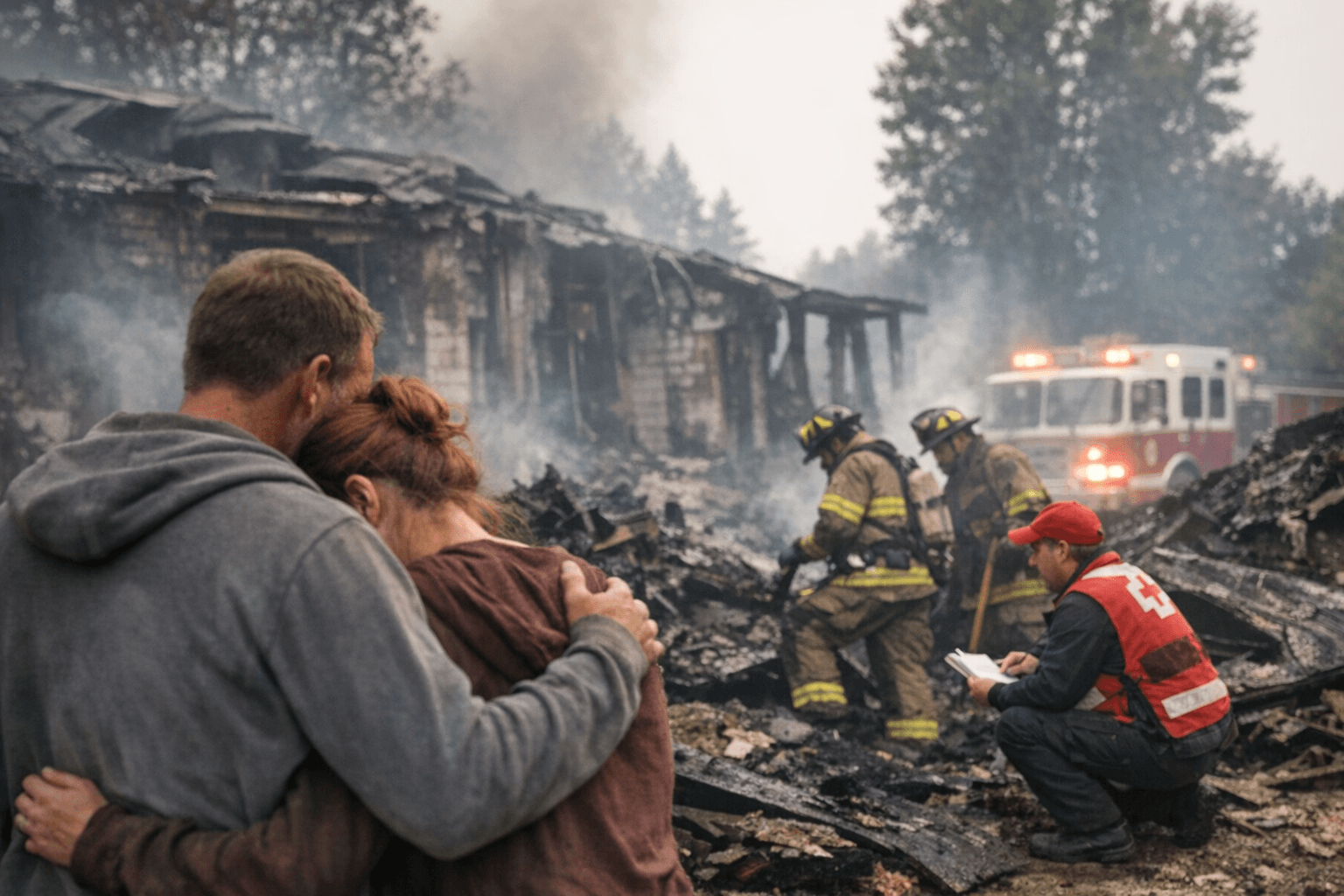
Household chemicals, batteries and asbestos in older homes can create health hazards in debris and ash. Lane County Public Health recommends wearing N95 masks, gloves and eye protection during limited cleanup, and contacting a licensed hazardous-removal contractor for large-scale debris or suspected asbestos-containing materials.
13. Watch for smoke-related health effects and get medical follow-up
Children, pregnant people, older adults and those with chronic respiratory or cardiac conditions are especially vulnerable to smoke exposure. Schedule follow-up care with primary providers or Lane County Public Health if you or household members have persistent cough, wheeze, chest pain or neurological symptoms.
14. Access mental-health and trauma support
House fire survivors commonly experience post-traumatic stress, anxiety and grief. Lane County behavioral-health services, community clinics and some Red Cross caseworkers can arrange short-term counseling; ask about referrals to local therapists experienced with disaster trauma for children and adults.
15. Apply for disaster assistance and local housing support
If damage is extensive and you meet eligibility, consider state or federal disaster assistance programs and local rental assistance through Lane County Human Services. Even without a federal disaster declaration, county-level aid, nonprofit funds and church-based programs in Eugene and Springfield sometimes provide targeted help, ask Red Cross caseworkers or county staff for current application guidance.
16. Get guidance before hiring contractors for repairs
Choose licensed, bonded contractors and get written estimates and timelines before signing repair contracts. Contact the Oregon Construction Contractors Board for license verification and consult Lane County building permit requirements, some repairs require permits and inspections to ensure safety and compliance.
17. Understand long-term recovery costs and tax implications
Keep careful records of uninsured losses, temporary housing costs, medical bills and charitable assistance received, some disaster-related expenses may factor into tax filings or future grant applications. Talk to your insurer or a tax professional about recovery-related deductions and required documentation.
18. Plan for prevention and equity in rebuilding
As you rebuild, consider installing interconnected, photoelectric smoke alarms, updating electrical systems, and choosing fire-resistant materials. If your neighborhood serves low-income households or renters, contact Lane County Community Development and nonprofit housing partners about equitable rebuilding options and programs aimed at preventing displacement.
19. Coordinate with schools and employers about disruption
Notify your children’s school district, Eugene School District 4J or Springfield School District, about displacement or lost records so staff can assist with enrollment, immunization records and school supplies. Employers may offer leave, wage advances or flexible schedules; provide documentation from your insurer or the incident report as needed.
20. Keep connected to local recovery updates
Stay in touch with Lane County Emergency Management and the county website for information about recovery resources, debris removal programs and community meetings. Local community groups and faith organizations in Eugene, Springfield and rural areas often post emergency assistance updates and volunteer opportunities for neighbors helping neighbors.
Conclusion A house fire can upend health, housing and finances, but clear first actions, evacuating safely, calling 911, getting medical care and connecting with Eugene Fire & EMS, Springfield Fire, the American Red Cross Cascades and Lane County support services, speed recovery and reduce long-term harm. Keep documentation, prioritize health follow-up, and work with licensed professionals and county agencies to rebuild safely and equitably.
This article was produced by Prism’s automated news system from verified source data, official records, and press releases, then run through automated quality and moderation checks before publishing. The system is built and supervised by the people who set the standards it runs under. Read our full AI policy.
Did this article answer your question?


