Storm knocks out power across western Oregon, disrupts schools and roads
A strong frontal system on Dec. 17 swept through western Oregon, bringing heavy rain and gusty winds that toppled trees, downed power lines, and left many residents without electricity. The storm disrupted school schedules and closed roads, highlighting risks to public safety and inequities in emergency response and access to care for vulnerable Lane County residents.
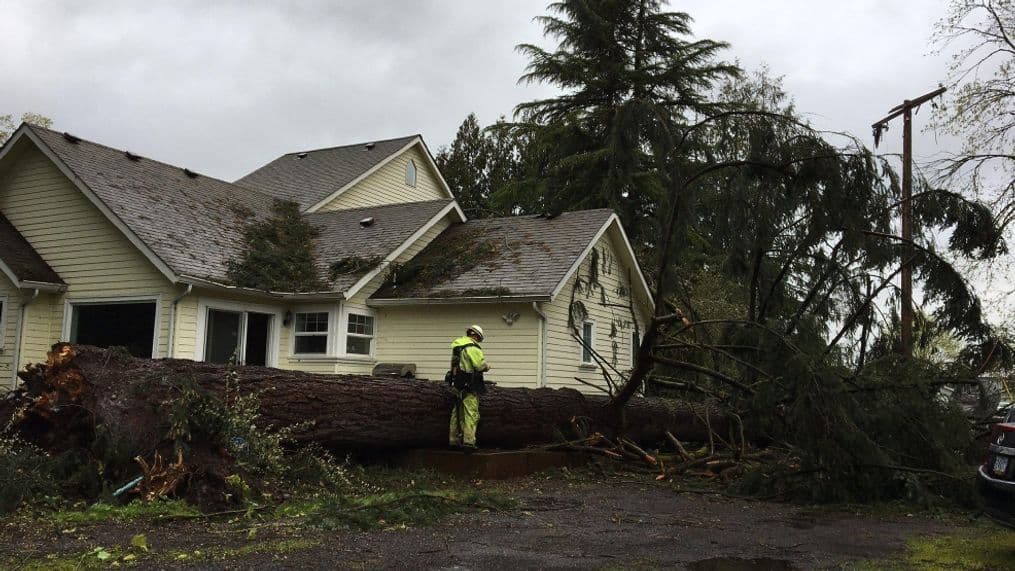
A powerful storm that passed through western Oregon on Dec. 17 produced heavy rain and damaging wind gusts that left communities scrambling to clear debris and restore services. Gusts reached the mid 30s to the mid 50s miles per hour in inland lowlands, with higher gusts reported along the coast. The combination of saturated ground and strong winds led to numerous downed trees and downed power lines across the region.
Utility companies responded to widespread outages while emergency crews urged motorists to avoid flooded or debris blocked roadways and to expect hazardous travel conditions. Multiple state and county roads saw temporary closures as crews removed fallen trees and secured damaged infrastructure. Several school districts reported closures or delayed start times as a result of unsafe roads and interrupted power for school buildings and transportation systems.
For Lane County residents the immediate impacts were practical and personal. Power outages interrupted heating and refrigeration, creating risks for older adults, people with disabilities, and residents who rely on electrically powered medical equipment. Flooded streets and blocked routes complicated access to clinics and emergency departments, and public transportation disruptions made it harder for workers in health care and essential services to reach their jobs. Community shelters and warming locations were important stop gap measures where they were available, but access was uneven across rural neighborhoods.
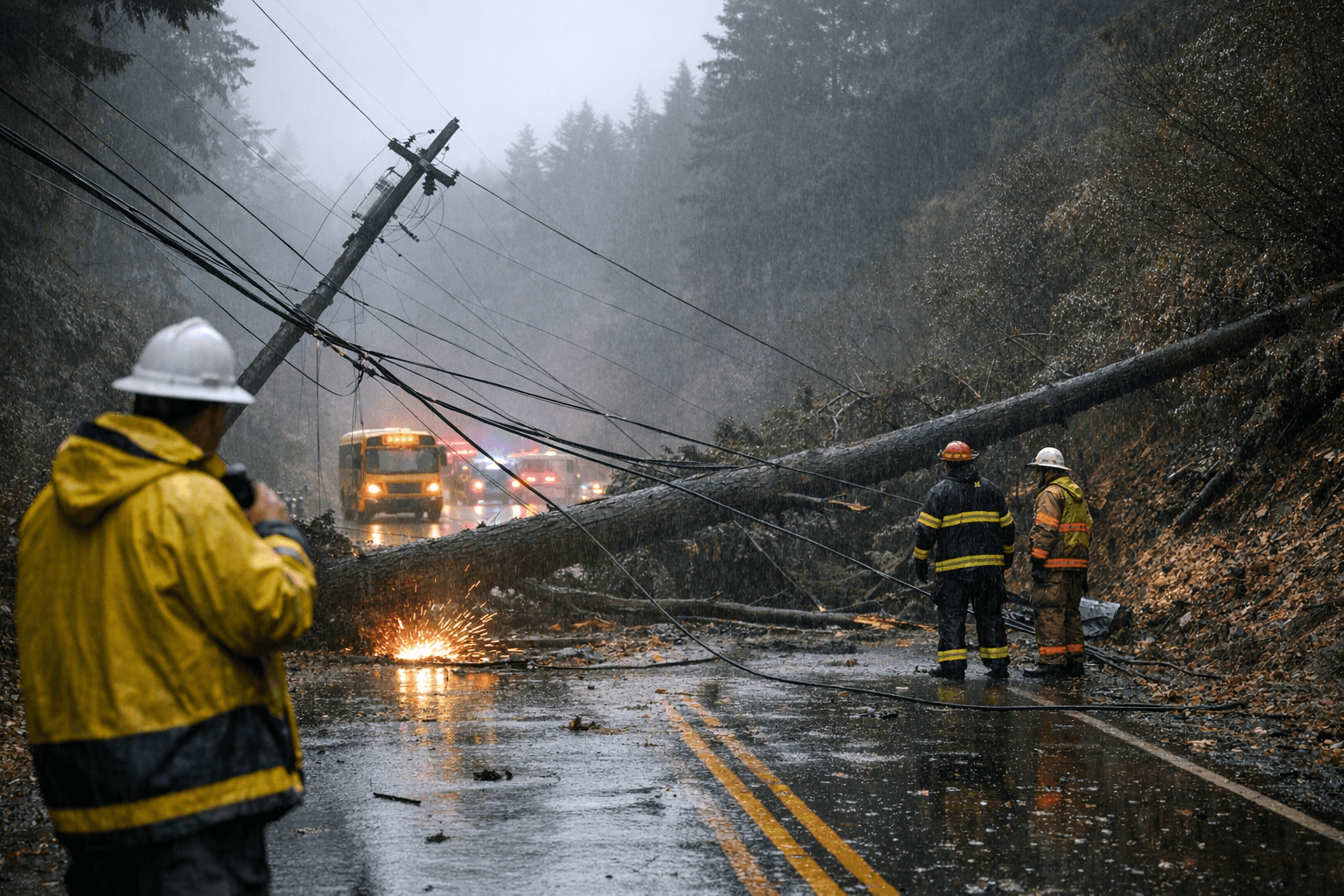
The storm underlines persistent policy and equity challenges. Aging transmission lines and trees close to power infrastructure increase the likelihood of outages, while low income households and remote communities often face longer restoration times. Public health officials say planning must center the most vulnerable, including people with chronic conditions, renters who cannot easily weatherize homes, and communities of color that historically face greater barriers to recovery.
As cleanup continued in the days after the storm, local leaders and utilities emphasized the need for investments in grid resilience, coordinated emergency communications, and equitable restoration priorities. For many families the immediate question remains how quickly power, cleared roads, and safe access to care will return, and whether future storms will find the county better prepared.
Know something we missed? Have a correction or additional information?
Submit a Tip