Thurston grad finds career path in hands-on metal shop classes
Cayden Frederick found his path at Thurston High School’s metal shop, where welding and machining classes pointed him toward skilled work instead of a four-year college route.
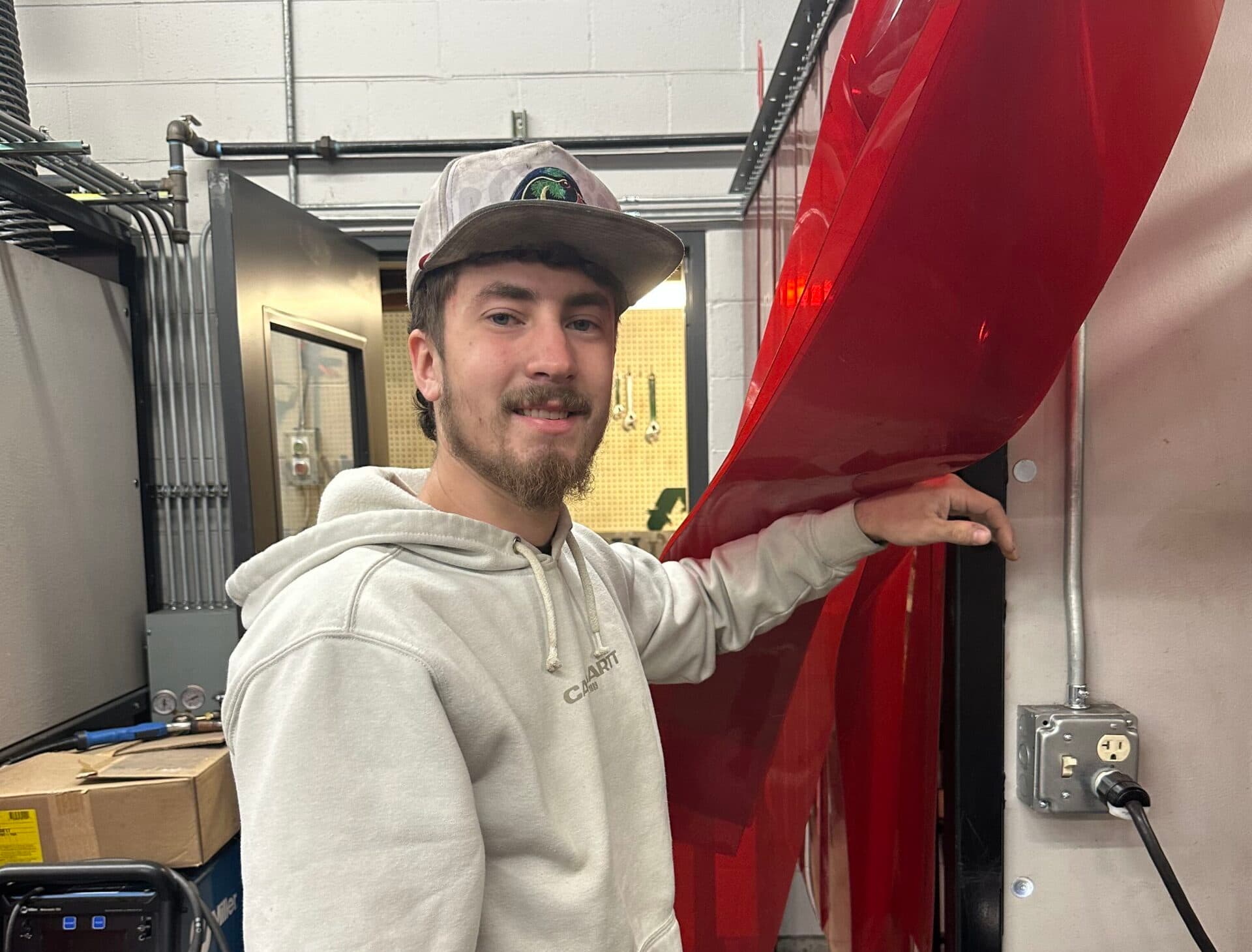
The metal shop at Thurston High School was the moment Cayden Frederick saw a future he could reach with his hands. The 18-year-old Springfield graduate said the freshman orientation experience, Colt Night, stopped him in his tracks: "wow, that's crazy. I know I want to do that." For Frederick, school became more than a place to earn credits. It became the place where curiosity turned into a career direction.
Frederick grew up in the Thurston school system, attending Thurston Elementary School and Thurston Middle School before moving into high school. By then, he was already comfortable working with his hands, and the dirt that had built up in his fingerprints over the years reflected the kind of student he was: mechanical, practical and drawn to things he could take apart and rebuild. The shop classes gave that instinct a structure, connecting it to a field that could lead straight to work.

That is the promise behind Thurston High School’s Career and Technical Education department, which says it prepares students for both employment and post-secondary education. Its Manufacturing Technology pathway includes a comprehensive metals program with welding, sheet metal fabrication, electrical circuits and machining, the same kinds of skills that caught Frederick’s attention. In a district where many students are still deciding whether college is the right fit, the program gives them a different kind of map, one that leads from classroom projects to paid jobs and industry certifications.
Lane County’s CTE network is built to make that route more concrete. Lane Education Service District serves all 16 component school districts in the county, and Lane CTE connects students with local businesses, Lane Community College and hands-on learning tied to real work. Students can earn industry-recognized credentials and high school or college credit, giving families a clearer picture of how school can translate into a paycheck.
Springfield Public Schools has expanded those options with programs that range from Automotive Technology to Culinary Arts and Cosmetology. The district says automotive and diesel students use hand, electrical, pneumatic, power and measuring tools, and many graduates go into diesel and automotive jobs, while others move into HVAC, commercial refrigeration, industrial and commercial electrical work, plumbing and collision repair. Springfield is also only the third district in Oregon to offer a Cosmetology CTE program.
The broader policy picture matches what Frederick found in one shop class. Oregon’s Department of Education says CTE is designed to prepare students for high-wage, in-demand careers, and the state has tracked CTE data since 1998. State and federal labor data also point toward the same demand, with manufacturing identified as a high-wage, high-demand, high-skill sector and the U.S. Bureau of Labor Statistics projecting about 70,000 annual openings for automotive service technicians and mechanics from 2024 to 2034. For students who want to learn by doing, Frederick’s path shows that a school shop in Springfield can be the start of a real career.
This article was produced by Prism’s automated news system from verified source data, official records, and press releases, then run through automated quality and moderation checks before publishing. The system is built and supervised by the people who set the standards it runs under. Read our full AI policy.
Did this article answer your question?