UO adds ICE to emergency alerts, drawing criticism over campus safety
UO will use its emergency alert system for ICE activity, putting immigration enforcement in the same channel used for shootings and fires. Critics say that could change how students read safety on campus.

A text from the University of Oregon about immigration agents on campus could now land in students’ phones the same way a fire or shooting alert does, folding federal immigration enforcement into the university’s highest-level safety channel on the Eugene campus.
UO says its UO Alerts are sent when there is an imminent threat to health or safety and that the alerts page is part of the school’s Crisis and Emergency Notification System. The university says those notices can go by email and text, and that the system is separate from Lane County’s emergency notification network. Students and employees can sign up through DuckWeb or by texting campus codes to 333111. UO’s Alerts Page sorts messages into three categories: Information Only, Urgent and Emergency.
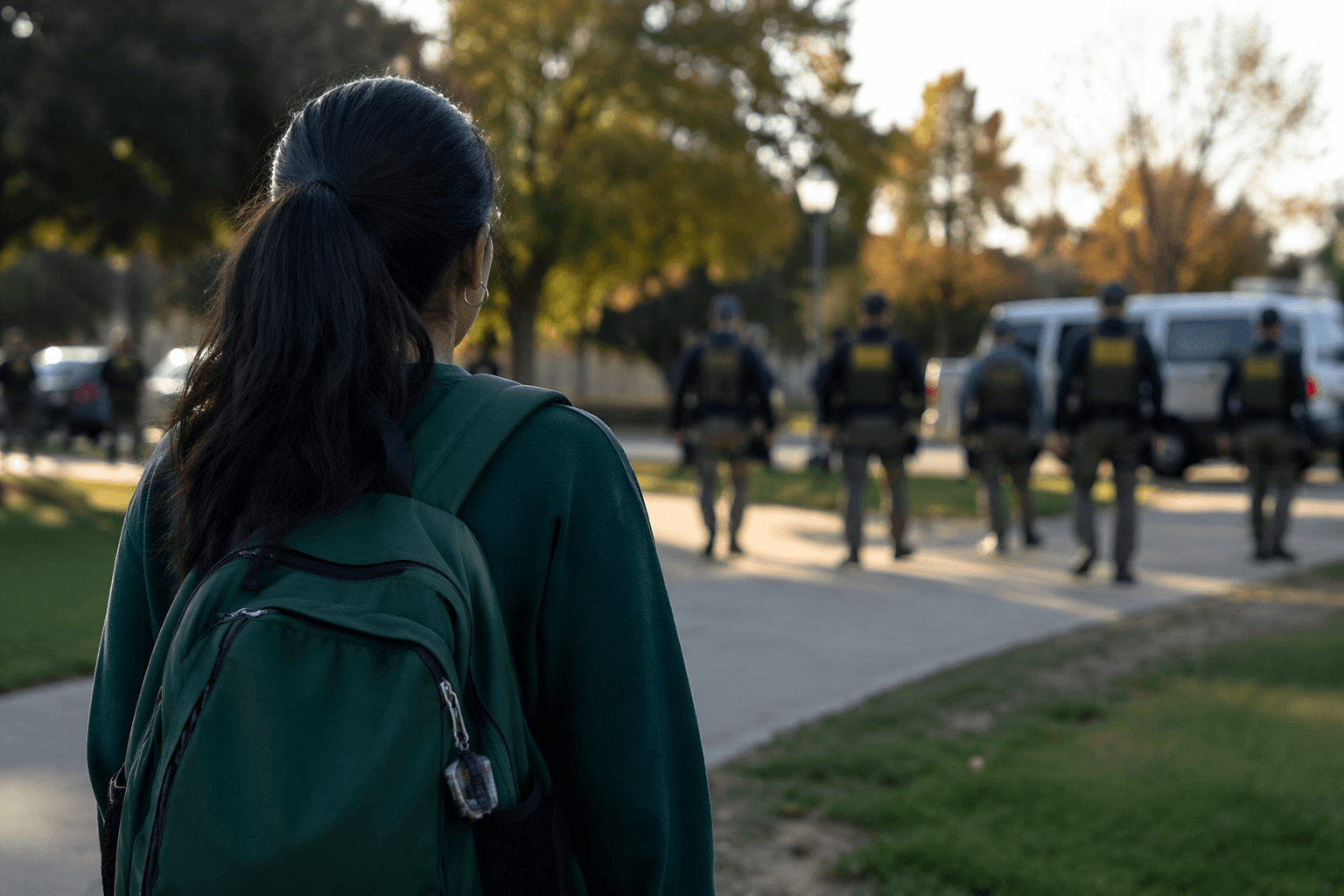
That structure is why the change has drawn criticism. Putting ICE activity into the same system used for other immediate dangers raises a practical question for students, staff and immigrant families who depend on those messages to judge whether a building, a route or a campus event is truly unsafe. A notice tied to federal enforcement could alter how people interpret every emergency alert that arrives on their phones.
The move follows months of pressure from students. At a rally outside Johnson Hall on Feb. 18, UO students, staff, faculty and community members demanded ICE alerts and a Latine cultural center. By May 1, UO was expected to begin using UO Alerts for immigration enforcement activity as soon as May 5.
The policy shift also lands as Oregon officials move to standardize how schools respond when federal immigration authorities show up on campus. House Bill 4079 requires school district boards and higher-education governing boards to adopt policies for what to do when a federal immigration authority enters school property or campus for enforcement purposes. The measure allows existing alert systems to be used, requires colleges to define campus boundaries and takes effect Sept. 30, 2026. Legislative staff summaries also note an exemption when federal immigration authorities enter a higher-education campus to accompany a patient seeking medical care.
UO says its campus-crime alert practice is consistent with federal law and standard at peer institutions nationally. The University of Oregon Police Department says it serves the Eugene campus and off-campus properties. The school’s International Student and Scholar Services office says it is providing immigration information and support for international, Dreamer, DACAmented and undocumented community members, and that most current students and scholars in valid status can continue studying or working as usual.
UO’s immigrant-student resources page lists Associate Dean of Students Justine Carpenter as a contact, while the Provost’s Patos Unidos page serves as a central Latinx support and connection resource. For many on campus, the test will be whether an ICE alert reads as protection, warning or both.
This article was produced by Prism’s automated news system from verified source data, official records, and press releases, then run through automated quality and moderation checks before publishing. The system is built and supervised by the people who set the standards it runs under. Read our full AI policy.
Did this article answer your question?