UO and Port of Portland mark progress on mass timber lab
UO’s Portland acoustics lab could help Oregon builders test mass timber locally, speeding housing projects and giving Eugene-linked research a bigger economic role.
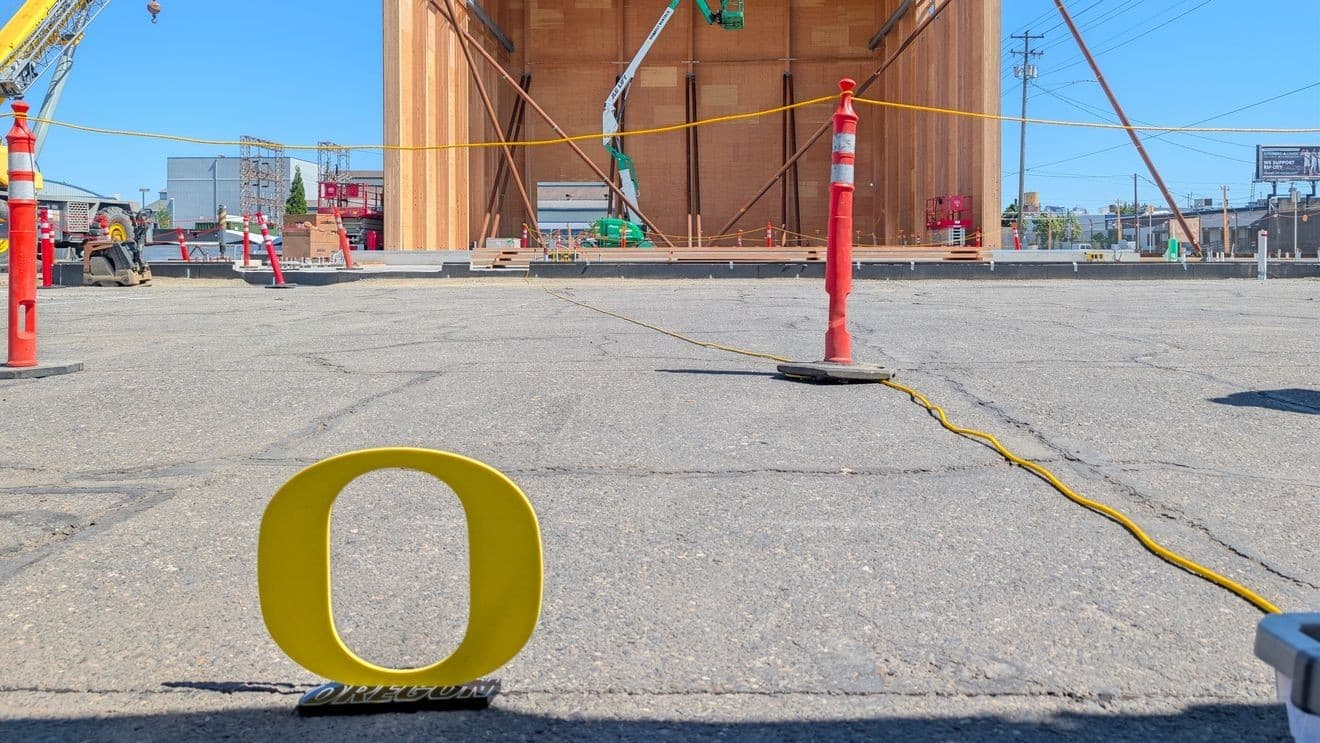
The University of Oregon’s new acoustics lab in Portland is more than a campus extension. For Lane County, it is a bet that UO research can help unlock a statewide mass timber industry that could feed students, faculty, employers and housing projects well beyond Eugene.
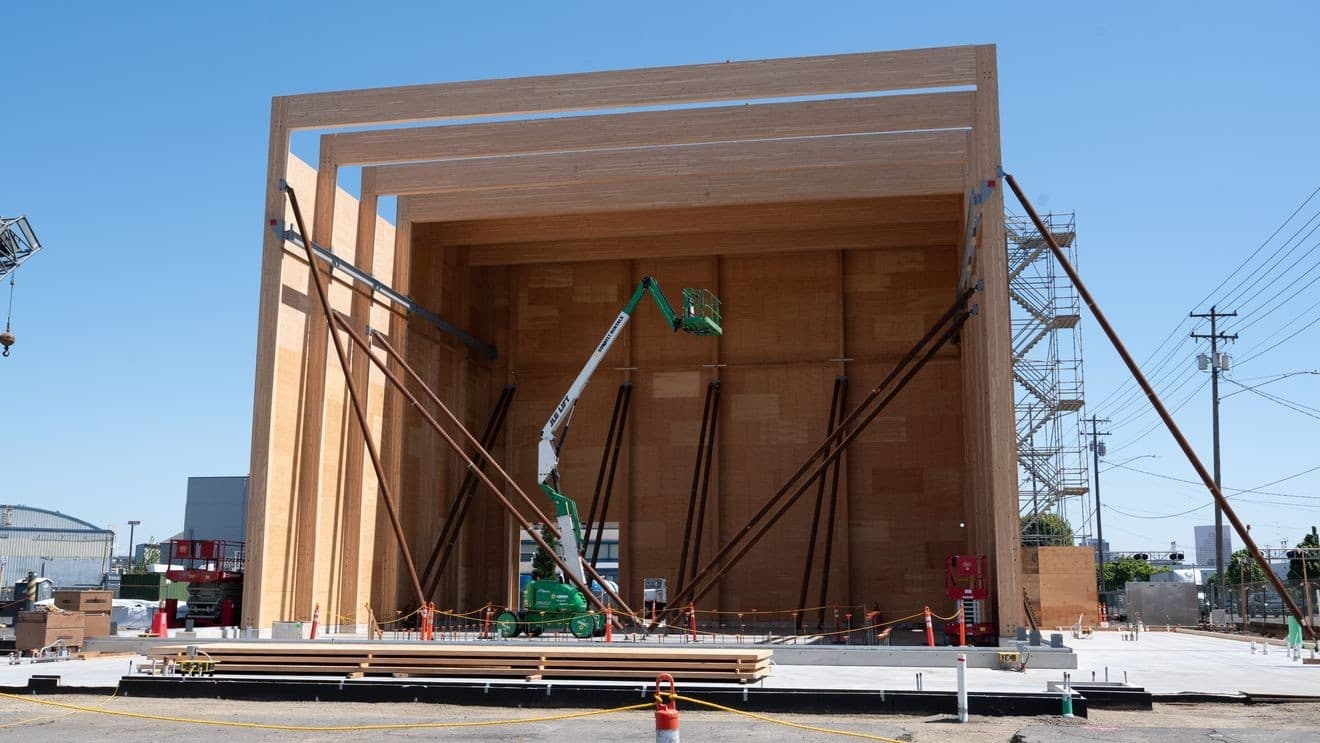
The University and the Port of Portland marked construction progress on the Oregon Acoustic Research Laboratory at Terminal 2, the research and development anchor tenant for the Mass Timber and Housing Innovation Campus in Northwest Portland. The Port approved a lease for the lab on Jan. 8, 2025, and says design and permitting are expected in 2025, construction in 2026 and completion in 2027.
UO says the lab will be the first of its kind at a university in North America. Its floor-to-ceiling testing chambers are designed to measure mass timber assemblies for laboratory sound transmission, impact isolation and in-room impact sound, filling a testing gap that UO and Port materials say has been a barrier to affordable mass timber multifamily housing. That matters in Eugene because it ties the university’s research profile to a real market need, not just a ceremonial project on a map.
The Port says Terminal 2 was identified as no longer needed for breakbulk cargo after studies begun in 2017 and 2019, and that the 39-acre site is being redeveloped because it could deliver greater economic benefit as an industrial park or manufacturing hub. When complete, the campus is expected to include manufacturing, research and development, skills training and flexible space for small and emerging businesses.
That broader buildout is the part with the clearest Lane County payoff. The Oregon Mass Timber Coalition includes the Port, UO, Oregon State University, Business Oregon, the Oregon Department of Forestry and the Oregon Department of Land Conservation and Development. Together, those partners are building a pipeline that could create jobs, support small businesses and give Oregon industries a faster path from prototype to production. For Eugene and Springfield, that means UO graduates and researchers could connect to a growing network of employers and suppliers working in construction, manufacturing and sustainable logging.
The money behind the project is substantial. The Oregon Mass Timber Coalition received a $41.4 million federal Build Back Better Regional Challenge grant in 2022, including $14.6 million for the UO lab and $10 million for Port infrastructure. The Port also received $4 million in federal Housing and Urban Development funding in 2024 and $5 million from the Oregon Legislature in 2023. UO’s Board of Trustees approved the lab with a budget of $25.88 million.
The Port has linked the campus to Oregon’s housing crisis and the post-2020 wildfire recovery period. For Lane County readers, the real test is whether this Portland terminal becomes a working economic engine that gives Eugene more than prestige, and the lab suggests it just might.
This article was produced by Prism’s automated news system from verified source data, official records, and press releases, then run through automated quality and moderation checks before publishing. The system is built and supervised by the people who set the standards it runs under. Read our full AI policy.
Did this article answer your question?