A.R. Mitchell Museum anchors Trinidad’s Western art and history
Trinidad’s A.R. Mitchell Museum pairs a rare Western-art collection with a preserved 1906 Main Street building, giving downtown a living link to local and national history.
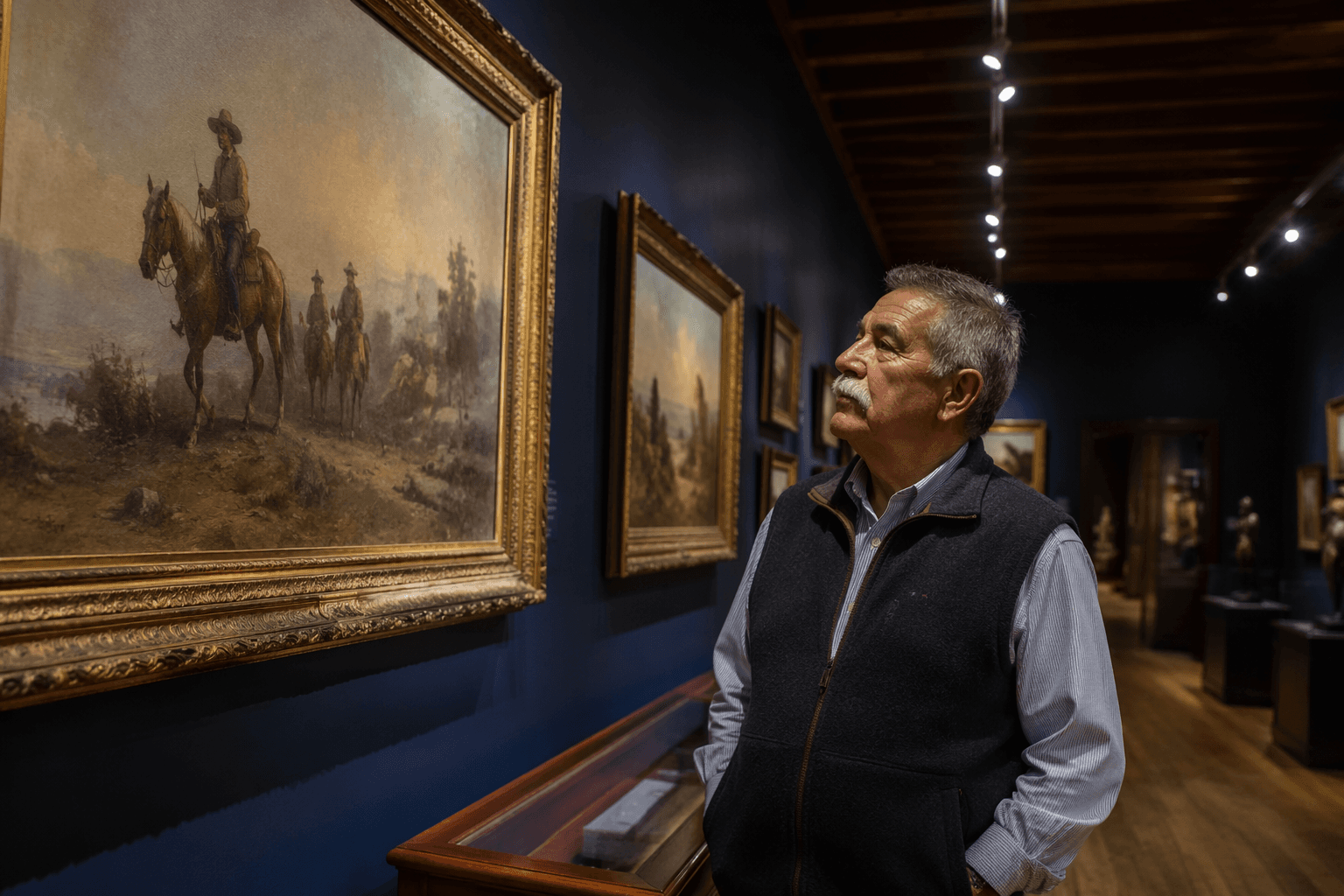
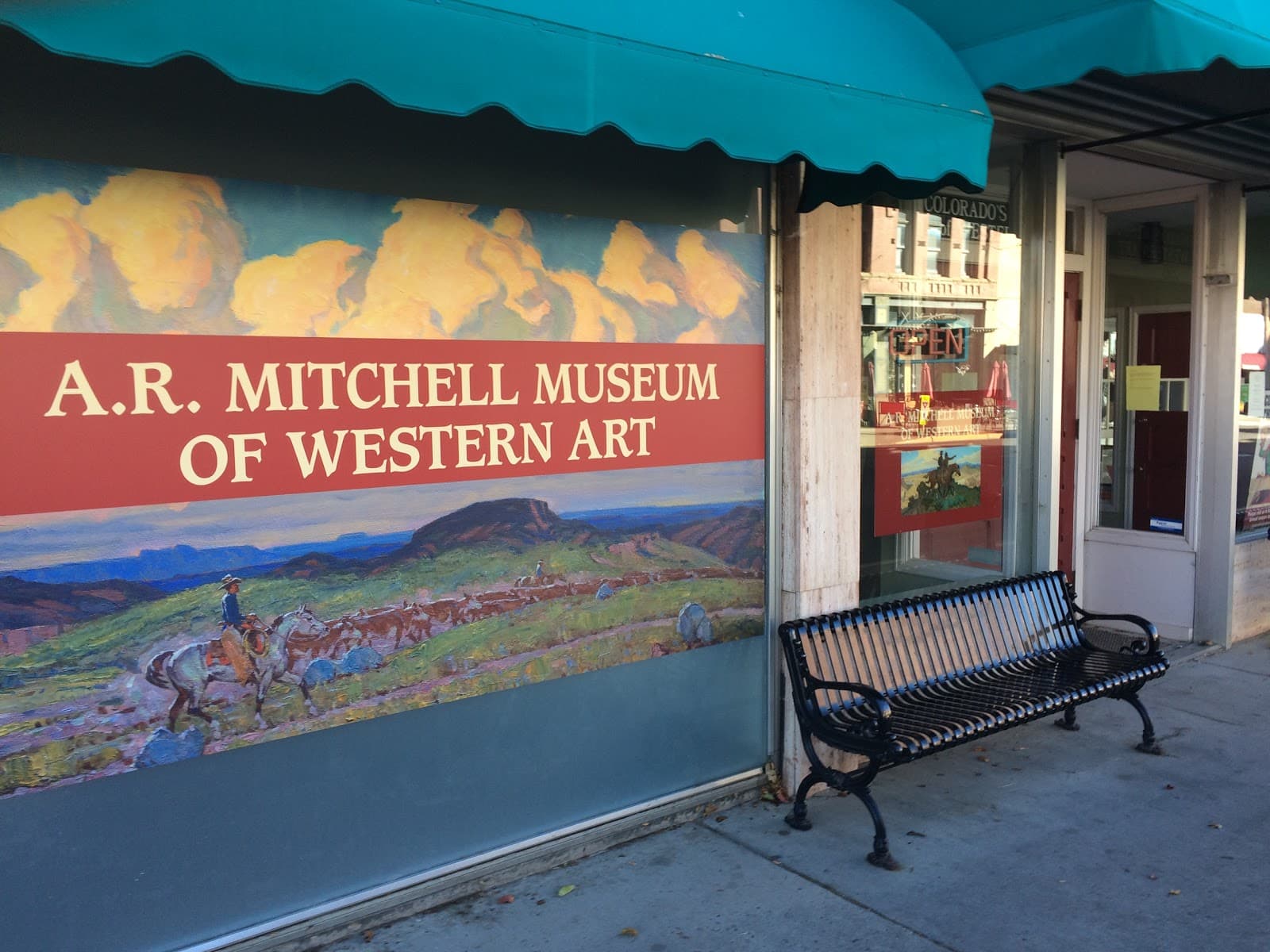
The A.R. Mitchell Museum of Western Art gives Trinidad something few small cities can claim: a downtown museum rooted in a hometown artist whose work traveled far beyond Colorado. Set at 150 E. Main Street, the museum sits inside a preserved 1906 commercial building, so a visit delivers art, architecture and local history in one walkable stop.
A Trinidad-born artist with national reach
The museum was established in 1981 to honor Arthur Roy Mitchell, a Trinidad native born on December 18, 1889, and raised just a few blocks from the Old Santa Fe Trail. That origin matters because Mitchell was not an outside collector looking in on the West. He grew up in the landscape he later sketched, painted and helped define for a national audience.
Mitchell went on to become an American painter, illustrator, art teacher, historian and preservationist. The museum says his career began with sketches of Western life, and that early attention to cowboys, horses and working ranch scenes helped cement a vivid image of the American cowboy in popular culture. The museum also describes him as the “King of the Pulp Magazine Covers,” a reminder that his reach went well beyond a single regional audience.
Mitchell’s life stretched from December 18, 1889, to November 15, 1977, but his Trinidad roots still frame the museum’s identity. That makes the institution more than a tribute gallery. It is a preservation project built around a local figure whose work links Las Animas County to the broader story of Western art.
The building is part of the collection
The museum bought the historic Jamieson Dry Goods Store in 1989, and the building itself is one of the strongest reasons to stop on Main Street. Completed in 1906, it still retains original pressed-tin ceilings, wood floors and a horseshoe-shaped mezzanine, details that give the space the feel of an old commercial block that has survived with its character intact.
That setting fits Trinidad’s downtown. The El Corazon de Trinidad National Historic District preserves a portion of the city center, and Trinidad’s development along the Santa Fe Trail gave the town an early commercial and transportation role. The city later flourished from the late 1870s to the 1910s as the capital of southern Colorado’s coal-producing region, which left behind a compact downtown with enough historical weight to make the museum’s location part of the story rather than just the address.
The museum’s own history also reflects how a small cultural institution can adapt an old building for present use. The former dry goods store is now a permanent home for the museum’s collection and exhibitions, turning a 20th-century retail space into a civic asset that keeps foot traffic moving through the heart of Trinidad.
What the collection lets you see
The museum’s collection is unusually broad for a Western-art institution. Colorado.com says it includes more than 350 works by Mitchell, along with Spanish folk art and Native American artwork. The collection also includes santos, bultos, retablos, tinwork, Penitente artifacts, Native American pottery and blankets, plus works by nationally recognized Western artists Harold Von Schmidt and Harvey Dunn.
That range matters because it gives visitors a fuller view of the region than a single-genre Western gallery would. Mitchell’s illustrations sit alongside Hispano devotional art and Native American objects, so the museum becomes a place to understand how different communities shaped the visual culture of the Southwest and the Purgatoire Valley. Atlas Obscura says the museum holds the largest collection of A.R. Mitchell art in the world, which makes the Trinidad collection a destination for scholars, collectors and casual visitors alike.
For local residents, that means the museum is not just a place to look at paintings. It is a place where Trinidad’s own story is on display, from cow town imagery to Hispanic folk traditions to the art that grew out of a frontier economy. The result is a collection that ties the city to regional history while also giving it a nationally distinctive claim.

Why it matters to downtown life now
The museum says it is an important venue for art, culture, history and tourism in southeastern Colorado, and its current operations make that claim concrete. It is open Tuesday through Saturday from 10 a.m. to 4 p.m., and that schedule gives residents and visitors a reliable Main Street destination in the middle of the week as well as on weekends.
It is also a nonprofit 501(c)(3) funded primarily through donations, which places the museum in the same fragile category as many small-town cultural institutions that depend on community support to preserve buildings, mount exhibits and keep doors open. Ongoing exhibitions and community programming show that it is not a static archive. It is a working institution that continues to bring people downtown and keep Trinidad’s historic core active.
That is where the museum’s value lands most clearly for Las Animas County. It preserves an artist who was shaped by Trinidad, houses his work in a surviving 1906 building, and gives downtown a place where Western art, Hispano folk traditions and local history meet in person. In a city built on layers of trail, rail, cattle, coal and preservation, the A.R. Mitchell Museum keeps those layers visible on Main Street every week.
This article was produced by Prism’s automated news system from verified source data, official records, and press releases, then run through automated quality and moderation checks before publishing. The system is built and supervised by the people who set the standards it runs under. Read our full AI policy.
Did this article answer your question?