Las Animas County cameras spark questions as trial surveillance begins
New roadside Flock cameras have appeared on I-25 and three state highways in Las Animas County, and Sheriff Derek Navarette says a trial surveillance rollout will start soon.

New roadside camera units have appeared along Interstate 25, Highway 350, Highway 160 and Highway 12 in Las Animas County, and Sheriff Derek Navarette said a trial Flock Safety deployment will begin soon. Navarette said the Las Animas County Sheriff’s Office is not currently operating an automated license plate reader system, but he confirmed the cameras are being installed as the county prepares to bring the network online.
The equipment is drawing attention because it does more than record traffic flow. Colorado’s Division of Criminal Justice says automated license plate readers capture license plates, contextual photos of related vehicles, the date and time, the geographic location, and the specific camera or unit used. That creates a travel record that can be searched by law enforcement and compared with hotlists tied to stolen vehicles, wanted suspects or missing-person alerts.
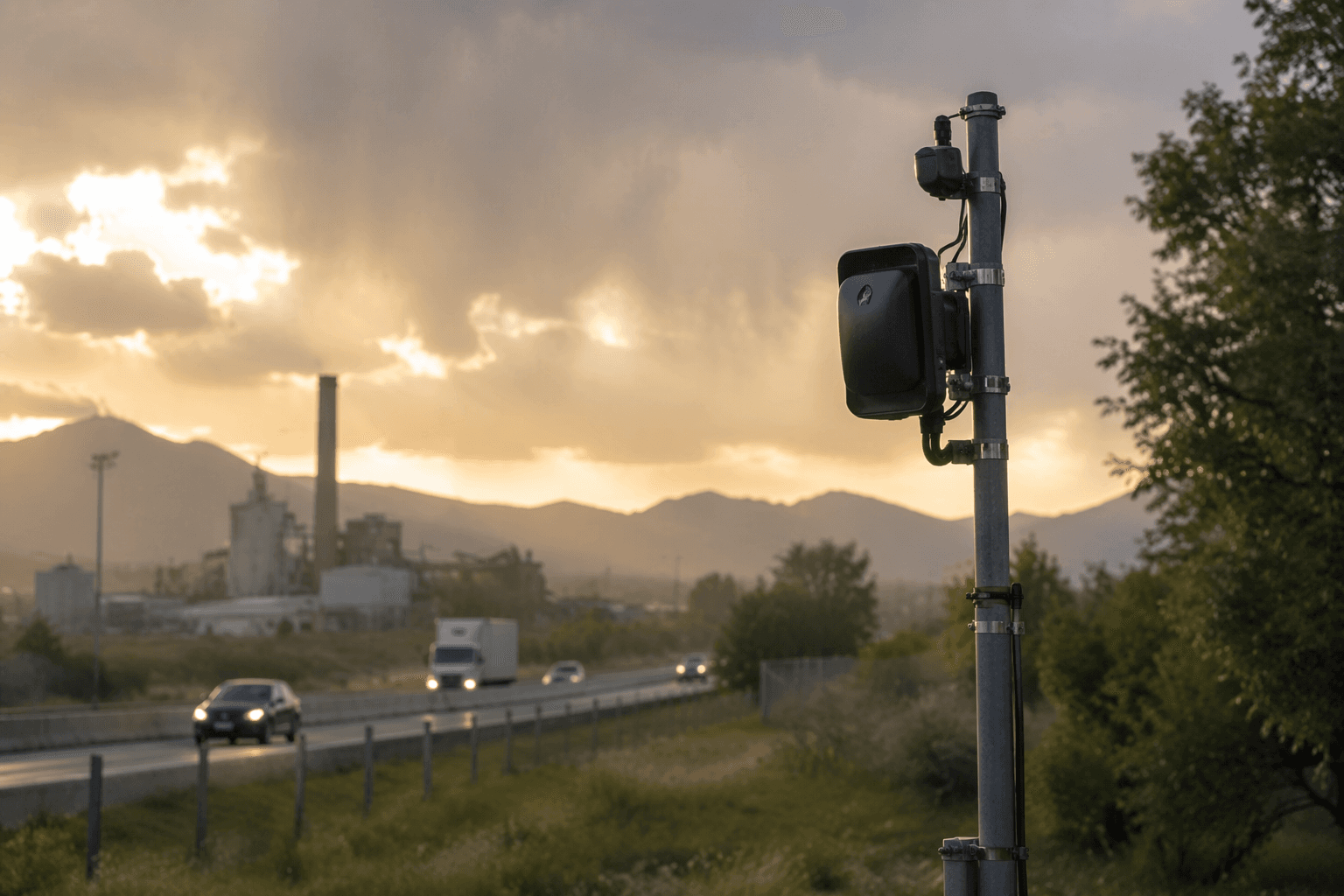
Flock says its data is deleted after 30 days by default in most communities unless local law says otherwise, and the company says every search is logged and tied to a specific user. The company’s public site says more than 12,000 communities trust its platform nationwide. That reach has fueled pushback from privacy advocates, who argue that cameras installed for one purpose can be used for broader surveillance over time.
The American Civil Liberties Union says Flock is building nationwide mass-surveillance infrastructure and has warned about data-sharing and mission-creep risks. The Electronic Frontier Foundation says recent investigations have exposed mission creep involving ALPR data. Colorado lawmakers have also drawn a legal line between traffic-enforcement cameras and ALPR systems, describing ALPRs as tools used primarily for law enforcement and investigative purposes and limiting their use to public spaces and specific enforcement goals such as traffic violations or identifying stolen vehicles.

Navarette said the sheriff’s office would not release specific locations or deployment details until the system is fully activated, leaving residents to watch the same roads they use every day for the first signs of how the county plans to monitor vehicle movement. For Las Animas County, the immediate questions are no longer abstract: where the cameras sit, who can search the data, how long the records stay in the system, and how much of the rollout will happen before the public gets a chance to press officials for answers.
This article was produced by Prism’s automated news system from verified source data, official records, and press releases, then run through automated quality and moderation checks before publishing. The system is built and supervised by the people who set the standards it runs under. Read our full AI policy.
Did this article answer your question?


