Las Animas County Fair schedule sets week of livestock and community events
Las Animas County Fair runs July 21-25 with livestock shows, youth exhibits and community events from a chili cookoff to a market sale.
The Las Animas County Fair week is set up for more than one audience at once: 4-H and FFA exhibitors, parents with kids in tow, vendors, and anyone who wants to catch the county’s biggest summer gathering in Trinidad. The official schedule runs Tuesday, July 21 through Saturday, July 25, and it spreads livestock competition, exhibits, and community events across the fairgrounds so families can plan around the parts that matter most to them.
What to know before fair week starts
If you are entering animals or exhibits, the first date that matters is July 1, when fair entries are due through Las Animas County Extension. That deadline will matter most for 4-H and FFA households, but it also signals how quickly the fair season moves from planning to execution. The official fair page says more fair information is coming soon and directs readers to follow the county fair on Facebook, so anyone making travel plans or organizing a schedule should keep checking for updates.
The fair book adds another layer that matters for exhibitors and the public alike: the Las Animas County Fair Board enforces USDA Meat Inspection Act rules and Colorado’s Tampering and Drugging of Livestock Law. That is not just a line for the show barn, it is part of what keeps the competition serious, the livestock standards clear, and the fair credible as both a youth showcase and an agricultural event.
How the week is laid out
The official schedule divides the week into 4-H and FFA events on one side and community events on the other. That split helps explain why the fair can feel like several events happening at once. Early in the week belongs to the stock show side of the fair, while Friday and Saturday bring the most public-facing gatherings and social activity.

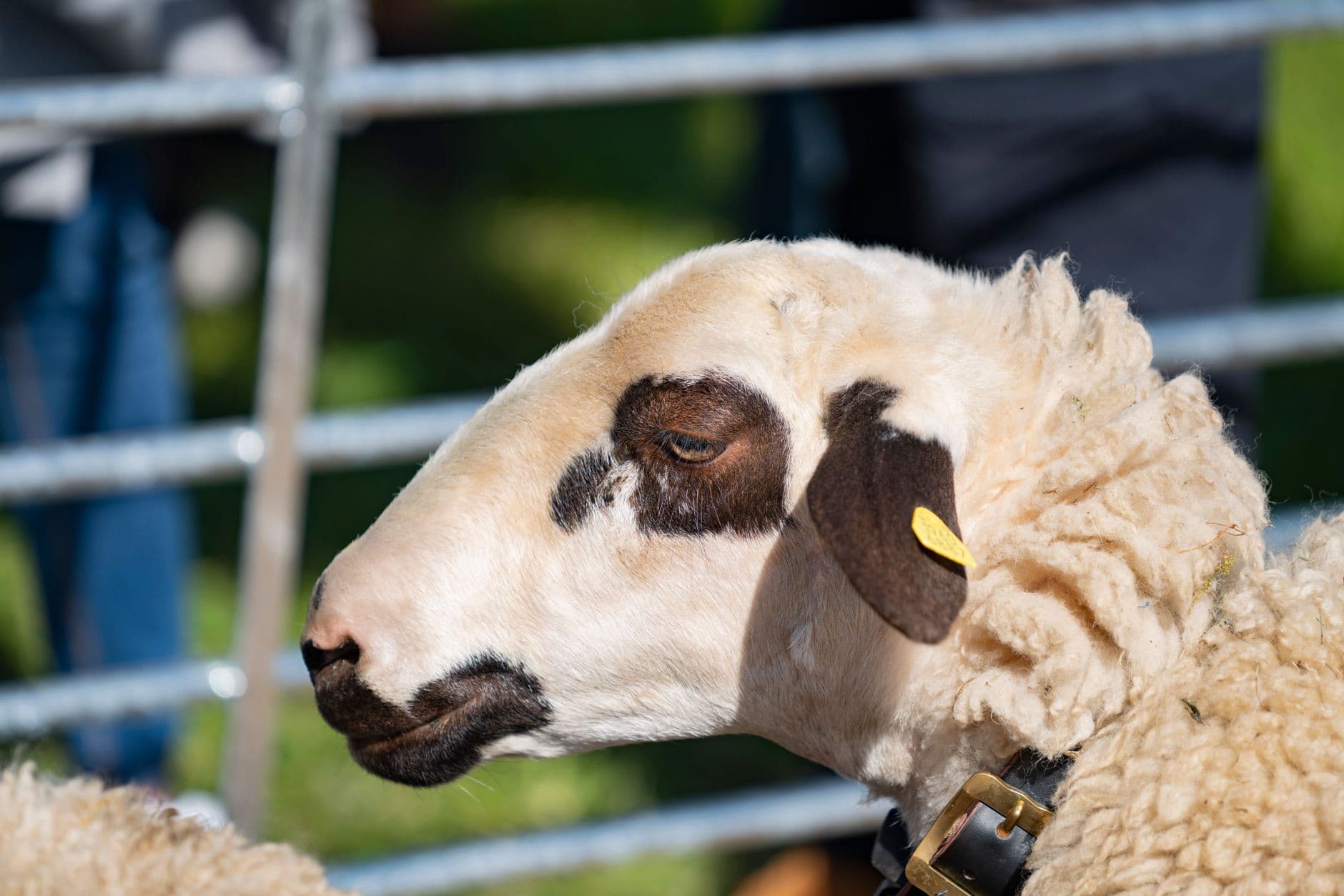
Tuesday, July 21 opens with horse show check-in and the horse show. Wednesday is exhibit day, which makes it the right time to see the projects, displays, and other entries that define the county fair’s youth and family roots. Later in the week the livestock program expands into sheep, goat, dog, beef, swine, rabbit, and poultry shows, giving local exhibitors a full run of species-specific competition and giving the rest of the county a reason to stop in and see the work that has gone into each class.
The schedule uses venue abbreviations that point to the fairgrounds’ spread-out layout: EXPO for the Las Animas County Fairgrounds Expo Center, BARN for the Las Animas County Fairgrounds Livestock Barn, PAV for the Las Animas County Fairgrounds Open Air Pavilion, and RUP for Las Animas County Fairgrounds Round Up Park. Some events also land at Trinidad Pool, which is another sign that fair week reaches beyond one building and into several parts of town.
For exhibitors and 4-H families
For exhibitors, the fair is the payoff for months of feeding, training, grooming, and preparing. That is especially true for 4-H families, because the county fair still serves as the public face of a year-round youth development program. Colorado 4-H says the program reaches more than 100,000 youth statewide and includes more than 10,000 volunteers, with participation open to ages 8-18 and Cloverbuds available for ages 5-7.
That statewide scale helps explain why the county fair still matters so much in a place like Las Animas County. A show ring here is not just about ribbons. It is a place where young people learn responsibility, record-keeping, animal care, and public presentation, while parents and grandparents carry the load behind the scenes. The fair’s structure shows that work plainly, because the livestock shows, exhibit day, and check-in schedule all sit near the center of the week rather than on the margins.

Friday is the social hinge of fair week
Friday turns the fair from a livestock-centered schedule into something much more public and participatory. The community lineup includes youth cornhole registration and tournament play, a fairy garden show, a chili cookoff, a baking contest, and an evening dance. That mix gives families several ways to take part without needing to own an animal or enter a show ring.
For parents, Friday is often the easiest day to bring younger kids for shorter visits, then stay for food, contests, or music. For local businesses and food vendors, it is also the part of the week most likely to concentrate foot traffic and informal spending. The schedule key makes clear that these are community events, which matters because the fair is designed to include people who are there for more than agriculture alone.
Saturday brings the traditional finish
Saturday closes the fair with the kind of lineup that has long defined county fair culture: a pancake breakfast, round robin, water fight, buyers dinner, and market sale. That is the day when the fair’s agricultural side and its social side meet most visibly, with youth, buyers, families, and longtime supporters all sharing the same final stretch.
The market sale and buyers dinner are especially important for exhibitors, because they connect the show ring to the economic side of the fair and give local support a direct role in rewarding the work of young people. The pancake breakfast and water fight also make Saturday the most family-friendly day for casual attendance, even for people who have not followed the whole week.
Why this fair still carries county weight
Las Animas County itself gives the fair a deeper local backdrop. The county was established in 1866, Trinidad is the county seat, and the county name comes from the Spanish name for the Purgatoire River, El Río de las Ánimas Perdidas en el Purgatorio, or the River of the Lost Souls in Purgatory. That history fits a fair that has become one of the county’s most recognizable shared traditions.
Multiple tourism and fair directory listings say the Las Animas County Fair officially began in 1911, which makes the 2026 event the 116th edition. That kind of continuity matters in a rural county, where annual gatherings do more than entertain. They help hold together the social, agricultural, and civic life of Trinidad and the surrounding communities, turning a week of schedules, stalls, and show rings into a public ritual that still draws the whole county in.
This article was produced by Prism’s automated news system from verified source data, official records, and press releases, then run through automated quality and moderation checks before publishing. The system is built and supervised by the people who set the standards it runs under. Read our full AI policy.
Did this article answer your question?