Las Animas County pages guide residents to food, housing and health aid
Las Animas County’s aid pages pull food, housing, health and crisis help into one place. In a county of 4,772.9 square miles, that shortcut matters.
Las Animas County’s human services pages are more than a directory. In a county that stretches across 4,772.9 square miles but had just 14,555 residents in the 2020 Census, the pages act as a first stop for food, housing, health coverage, transportation, elder support and domestic-violence-related help. That matters in Trinidad, the county seat, and in the smaller communities that can’t afford to lose time chasing the wrong office.
A countywide starting point for urgent needs
The biggest value of the county’s Community Resources and Assistance Programs pages is simple: they gather overlapping needs in one place. Colorado’s human services system is state-supervised but county-administered, which means county offices are often the front door for people trying to get help with groceries, winter heating, medical coverage or a safe place to live.
Recent Census Bureau data help explain the pressure on that front door. Las Animas County’s median household income stands at $52,074, 8.4% of residents are without health care coverage, and there are 377 employer establishments countywide. In the Trinidad Census Designated Area, 11,164 people live in 5,869 housing units, and 6.9% are uninsured. Those numbers do not just describe a rural county, they describe a place where one missed paycheck, one car repair or one medical bill can push a household toward multiple problems at once.
Food, cash help and health coverage
The Assistance Programs page lays out the basic safety net in plain terms. It points residents to SNAP, Colorado Medicaid, CHP+, Colorado Works, Old Age Pension, cash assistance for people who are disabled or blind, childcare assistance, burial assistance and fraud-reporting information. For households trying to keep up with food, medicine and rent at the same time, that mix is often the difference between putting off help and actually applying for it.
Health coverage options are especially important in a county where the uninsured rate still sits above zero and where getting to a clinic can be harder than filling out an application. The county pages direct residents to Health First Colorado and Connect for Health Colorado, giving people both public coverage and marketplace routes. The presence of both is a reminder that one household may need immediate Medicaid help while another needs a plan that fits a changing income or family size.
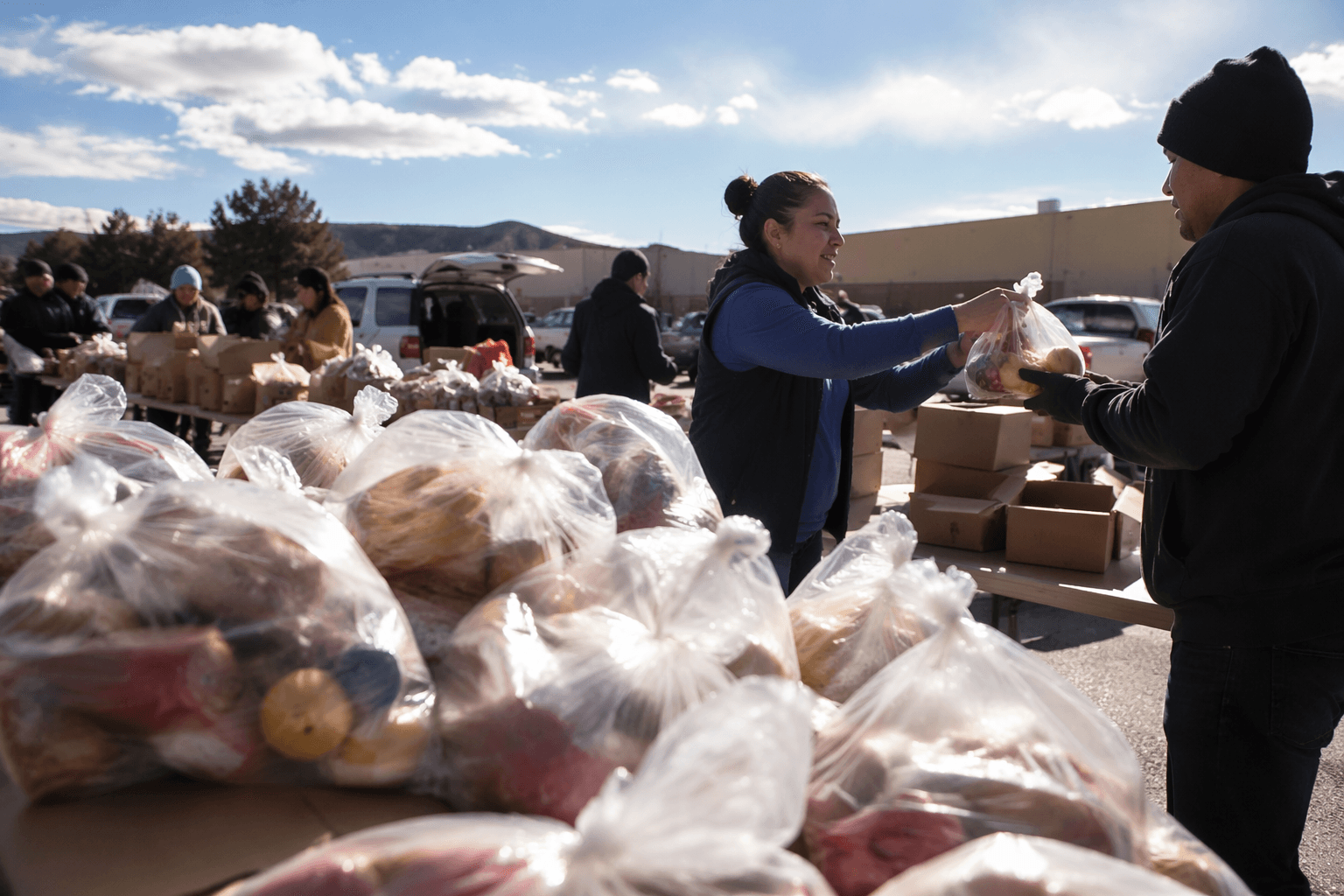
The food side of the directory is equally practical. The pages point residents to the Commodity Supplemental Food Program and the Emergency Food Distribution Program, two entry points that can matter for older adults, low-income households and families who need food quickly. The county’s service structure also links people to Veterans Services, which helps ensure that military families and veterans are not left to navigate the system alone.
Housing, heat and the road to an appointment
Housing aid appears throughout the county’s materials, not as a single promise but as a network of names and offices. The Trinidad Housing Authority is one of the clearest anchors for people looking for rental-related help, while the South Central Council of Governments adds another layer of regional support. In a county this large, housing problems rarely stay isolated from transportation problems, and the county’s list reflects that reality.
The same is true for energy and travel. The Colorado Low-Income Energy Assistance Program, or LEAP, helps low-income households pay winter heating bills, but the county makes clear that it is not meant to cover the entire cost of home heating. That distinction matters in a high-country climate, where a partial subsidy can still leave a family facing difficult tradeoffs. The pages also point to Non-Emergency Medical Transportation, a critical service for residents who need to reach appointments but do not have reliable rides.
The Trinidad Workforce Center, located at 140 N. Commercial Street, belongs in that same conversation. Jobs, benefits and housing stability are tightly linked in a county where household budgets can turn on hours worked, seasonal employment or a shift in benefits. A resident trying to keep heat on, food in the house and a doctor’s appointment on the calendar may need the Workforce Center as much as the benefits office.
Aging, disability and long-term care
The county’s adult and aging resources are built around a single entry point at 719-422-7077, which is important in a rural county where families often need fast direction before they know which specialist to call. The South Central Council of Governments’ Area Agency on Aging serves older adults and their families in Huerfano and Las Animas Counties, backed by Older Americans Act funds, state funds for senior services, Community Services Block Grant money and donations and contributions.
That aging network is not just about meals or check-ins. The Colorado State Long-Term Care Ombudsman Program advocates for residents of skilled nursing homes, assisted living residences and similar licensed adult long-term care facilities, giving families a path when care falls short or a placement becomes contested. The county pages also point to Southern Colorado Developmental Services, the community-centered board for the area, which helps residents with developmental disabilities connect to the right supports.
Las Animas County Adult Protective Services adds another important layer by defining at-risk adults as people over 18 with disabling conditions or seniors who are victims of abuse, neglect or mistreatment. That definition is broad for a reason: the county’s safety net has to cover people whose needs do not fit a single program box.
Domestic violence and immediate safety
For residents facing violence or coercion, the county’s pages point to Advocates Against Domestic Assault and to the Colorado Domestic Violence Program, which contracts with community-based advocacy organizations across Colorado to provide no-cost, voluntary, confidential services. That combination matters because survivors often need more than one kind of help at once: safety planning, legal direction, housing support and a place to make a call without being overheard.
The county also lists the Trinidad Police Department, which gives residents an immediate public-safety contact when a situation cannot wait for office hours or a benefits interview. In practice, that mix of advocacy groups and law enforcement shows the county’s pages are meant to work both as a bridge and as a warning system.
What the pages do well, and what residents still have to do
The strongest feature of Las Animas County’s resources pages is that they recognize how often needs overlap. A household dealing with food insecurity may also need transportation to a medical appointment. A senior asking about benefits may also need ombudsman help or housing direction. A family under financial strain may need energy assistance, childcare help and coverage options in the same week.
That is why the county’s directory matters in Trinidad and across the rest of Las Animas County. It gives residents a practical first turn in a system that can otherwise feel scattered across state agencies, county offices and regional providers. In a county this large and this thinly populated, that kind of coordination is not just convenient, it is part of the infrastructure of survival.
This article was produced by Prism’s automated news system from verified source data, official records, and press releases, then run through automated quality and moderation checks before publishing. The system is built and supervised by the people who set the standards it runs under. Read our full AI policy.
Did this article answer your question?