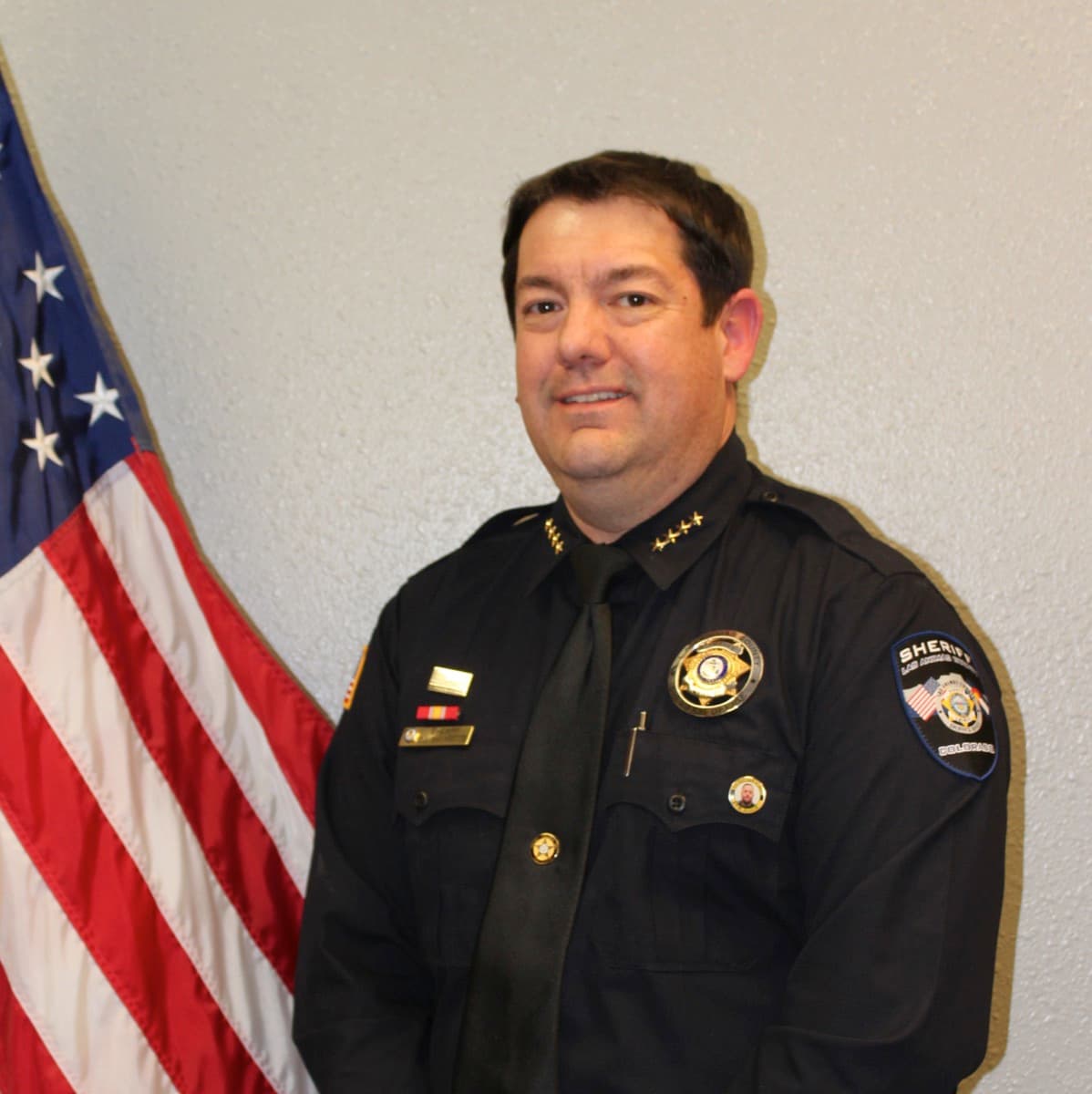
Las Animas County Residents Guide to Meetings, Public Comment, and Local Government
Your voice matters at the Las Animas County courthouse — here's exactly how to show up, speak up, and make local government work for you.
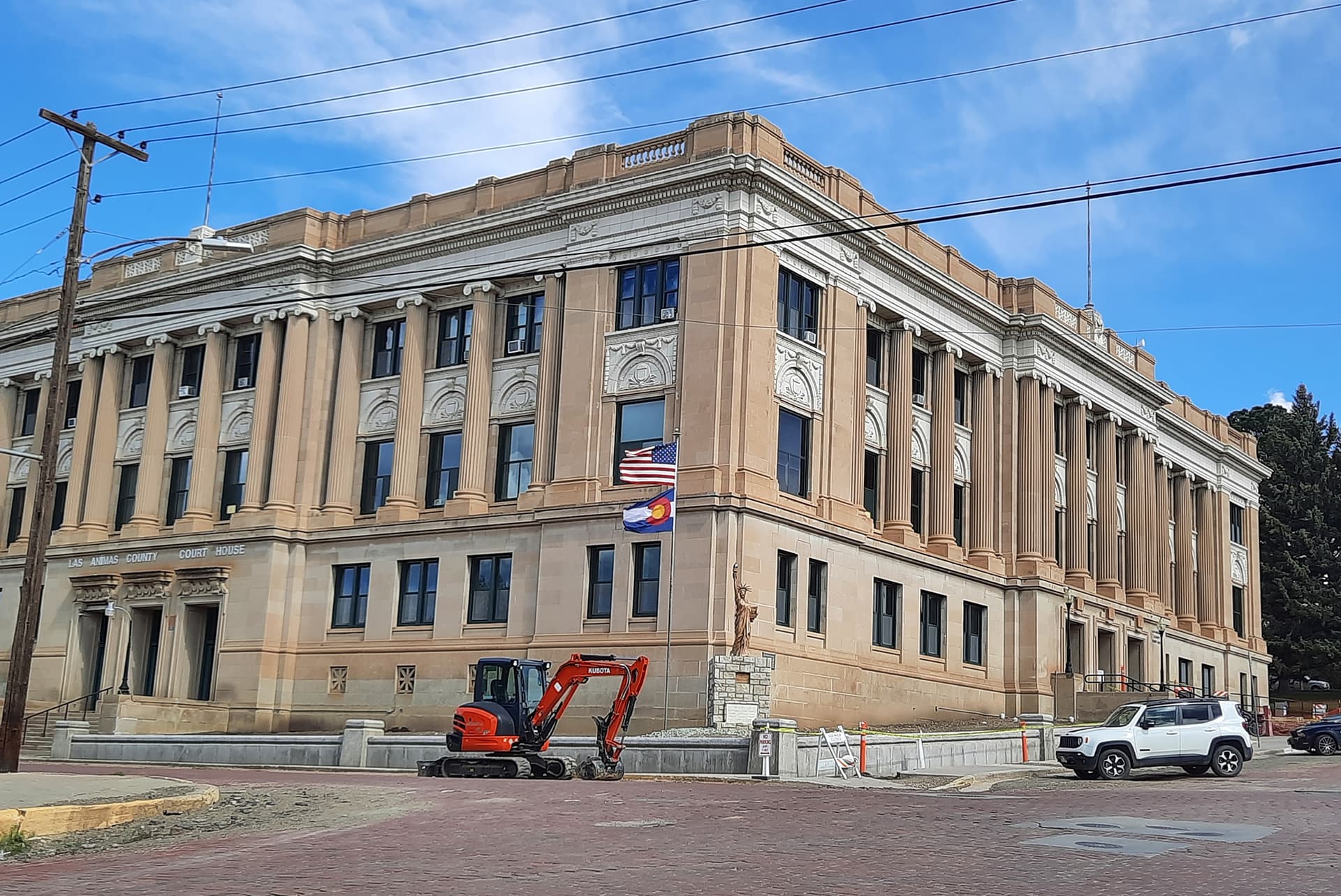
Local government in Las Animas County moves at its own pace, shaped by the rhythms of a rural southeastern Colorado community that stretches from Trinidad's historic downtown to the quiet communities of Aguilar, Weston, and Starkville. The Board of County Commissioners makes decisions that affect road maintenance, land use, public health, and county budgets, yet most residents have never sat in on a meeting or submitted a single public comment. That gap between government and governed is exactly what this guide is designed to close.
Who Runs Las Animas County
The Las Animas County Board of County Commissioners serves as the primary governing body for unincorporated areas of the county and oversees county departments ranging from the assessor's office to public health. Three commissioners represent the county, and their votes shape everything from zoning decisions on rural parcels to how federal mineral lease revenues get allocated in the annual budget. Understanding who holds these seats, and when their terms expire, is the first step toward meaningful civic engagement.
Beyond the commissioners, several other elected officials operate independently and report directly to voters rather than to the board. The County Assessor, County Clerk and Recorder, County Treasurer, County Sheriff, and District Attorney each run their own offices and attend to distinct areas of county governance. If your concern involves property valuation, election administration, law enforcement, or prosecution, the relevant official may not be the commissioner's office at all.
Finding Meeting Schedules and Agendas
The Board of County Commissioners typically holds regular public meetings twice monthly, with sessions generally scheduled at the Las Animas County Courthouse in Trinidad. Meeting dates, times, and locations are posted publicly and can shift around holidays or special circumstances, so confirming the current schedule before making the drive from Aguilar or Weston is always worthwhile.
Agendas are published in advance of each meeting and represent the formal roadmap of what commissioners intend to discuss and vote on. Reviewing the agenda before you attend allows you to identify which items are relevant to your concerns, understand the sequence of business, and prepare any comments you want to make. Agenda packets often include staff reports, resolutions, and supporting documents that provide context you won't get from the agenda title alone.
For the most current schedules and agenda documents, the county's official website and the office of the County Clerk and Recorder are your two most reliable sources. Calling the courthouse directly is also an effective option, particularly if you need to confirm a last-minute change or request a document that isn't easily found online.
How to Attend a Public Meeting
Commissioner meetings are open to the public by law under Colorado's open meetings statute, meaning any resident has the right to be present. Meetings are held in person at the courthouse in Trinidad, and arriving a few minutes early is practical: sign-in sheets for public comment are sometimes distributed before the formal session begins, and seats in the public gallery fill up when contested items are on the agenda.
Dress and decorum expectations at Las Animas County meetings are informal but respectful. Commissioners and staff conduct business in a professional setting, and participants who treat the process with seriousness tend to get the most traction. If you bring written materials, bringing multiple copies, one for each commissioner and one for the record, is a courtesy that signals preparation.
Submitting Public Comment
Public comment is the formal mechanism through which any resident can address the board directly. Most Las Animas County commissioner meetings include a general public comment period, typically near the opening of the session, during which any member of the public may speak on topics not listed on the agenda. Individual agenda items may also include their own comment periods, particularly for land use hearings and budget discussions.
When your turn comes, introducing yourself by name and, if relevant, your address or the community you represent (Trinidad, Aguilar, Starkville, or elsewhere in the county) establishes your standing and puts your concern in geographic context. Most boards observe a three-minute limit per speaker during general comment, though hearing-specific comment periods may allow more time. Staying within your allotted time and keeping remarks focused on a single clear ask or concern is far more effective than a wide-ranging list of grievances.
Written comments submitted before a meeting can be entered into the official record even if you cannot attend in person. Contacting the County Clerk's office to confirm the preferred format and submission deadline ensures your written comments are received and attached to the appropriate meeting record.
Understanding the Public Record
Colorado's open records law, known as the Colorado Open Records Act (CORA), gives residents the right to request and review most county government documents. Meeting minutes, contracts, budget documents, and correspondence held by county offices are generally subject to disclosure, with narrow exceptions for personnel matters and certain legal communications.
To request records from Las Animas County, submit a written request to the relevant county office, identifying the documents you seek as specifically as possible. The county has three business days to respond to a CORA request, though fulfilling complex or voluminous requests may take longer. There is no requirement that you explain why you want the records.
Meeting minutes, once approved by the board at a subsequent meeting, become part of the permanent public record and document the official actions taken. If you spoke at a meeting, your comments may be summarized in the minutes; the audio or video record, if one exists, captures the full exchange.
Getting Involved Beyond Meetings
Attending a meeting once is useful; building a consistent presence is how residents actually shift outcomes over time. Several county advisory boards and committees, covering areas like planning, emergency services, and social services, hold their own meetings and accept public input. Serving on an advisory board is one of the most direct ways a Las Animas County resident from any community, whether Trinidad, Aguilar, Weston, or Starkville, can participate in shaping county policy before it ever reaches a commissioner vote.
Staying informed between meetings matters just as much as showing up for them. Subscribing to county communications, monitoring the courthouse bulletin board, and following local news coverage of commission actions keeps you positioned to act when an issue relevant to your neighborhood reaches the agenda. The residents who make the greatest impact on Las Animas County governance are almost always the ones who showed up before the vote, not after.
This article was produced by Prism’s automated news system from verified source data, official records, and press releases, then run through automated quality and moderation checks before publishing. The system is built and supervised by the people who set the standards it runs under. Read our full AI policy.
Did this article answer your question?