Las Animas County Sheriff's Office Adopts AI to Streamline Criminal Report Writing
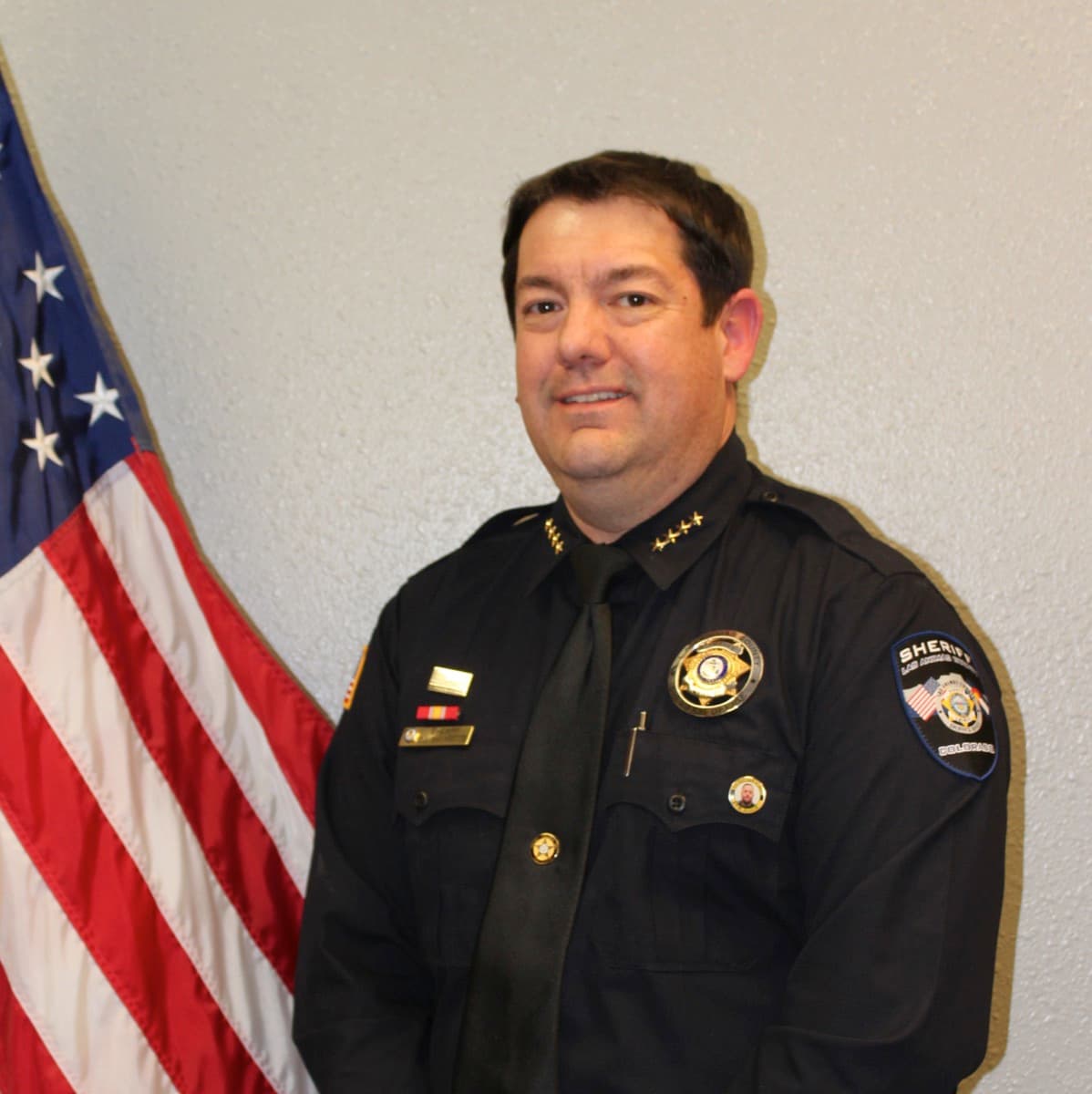
Sheriff Derek Navarette's office now uses AI to draft criminal narratives, raising urgent questions in a county that paid $1.5M after deputies filed falsified reports.
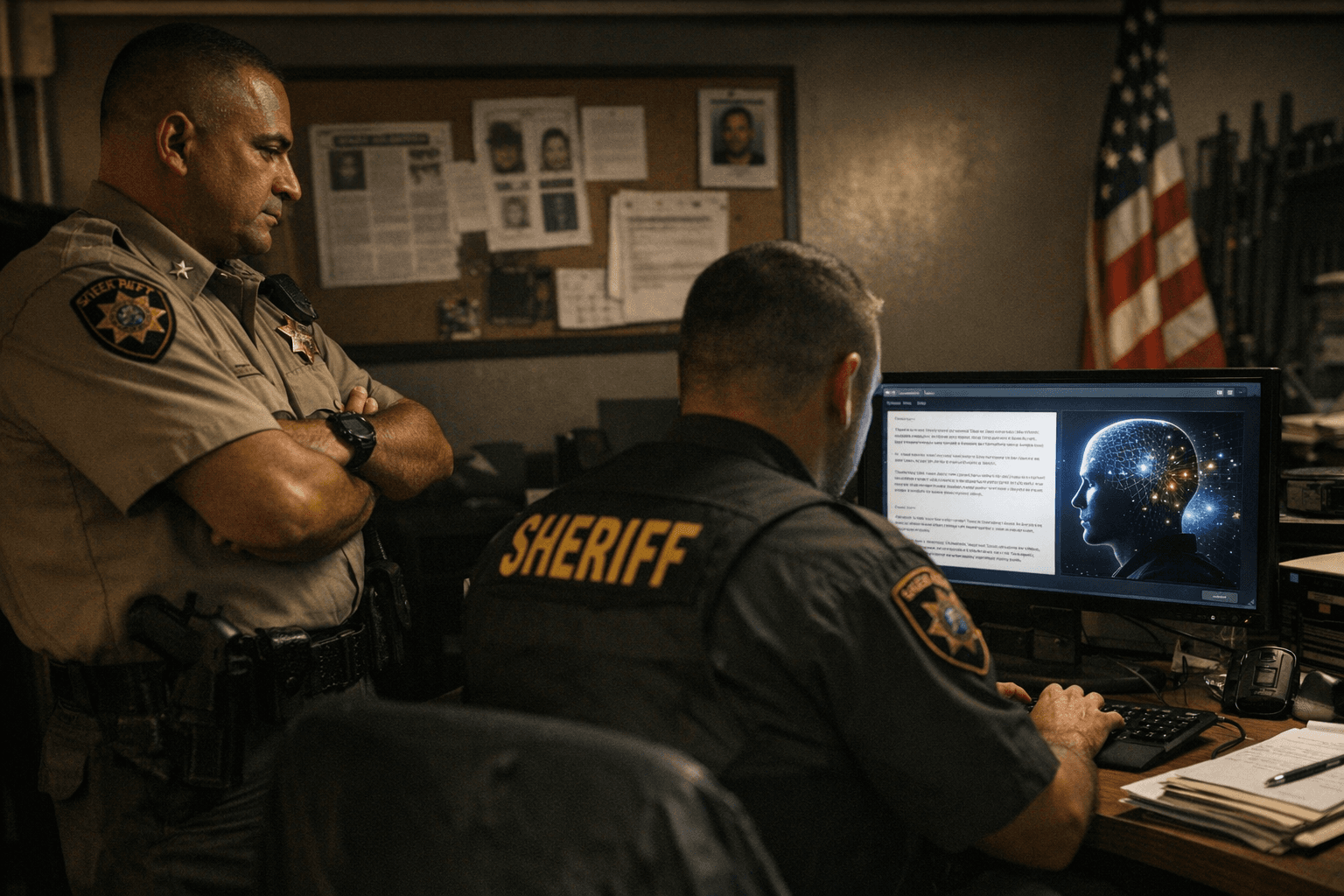
The Las Animas County Sheriff's Office has begun using an artificial intelligence tool to draft the criminal case narratives that appear in arrest reports, affidavits, and court filings, the documents that determine whether a county resident faces prosecution.
Under the new system, a deputy feeds field notes, body-worn-camera transcripts, and case materials into the tool. The AI assembles a first-pass narrative. The deputy reviews, edits, and signs the final report. Sheriff Derek Navarette's office says the goals are to accelerate case write-ups, reduce the administrative backlog in the records unit, and return patrol deputies to community work and investigative follow-up more quickly.
The county covers 4,775 square miles, Colorado's largest by area, with about 14,500 residents spread across Trinidad, Aguilar, Kim, Branson, and the surrounding unincorporated land. For a department managing that geography with limited staff, cutting the time a deputy spends on documentation after a call carries real operational value.
The adoption of AI carries accountability weight in Las Animas County that goes beyond any general debate over law enforcement technology. In March 2024, the Sheriff's Office paid a $1.5 million federal settlement to Kenneth Espinoza, a Trinidad resident tased approximately 35 times while handcuffed during a traffic stop on Nov. 29, 2022. Deputies Mikhail Noel and Henry Trujillo filed a written report claiming Espinoza had "slipped." Body camera footage contradicted that account. An outside investigation by the Pueblo County Sheriff's Office found both deputies had violated agency policies and submitted inaccurate reports; both were fired. Twelve days before Espinoza's arrest, the county had settled a separate federal lawsuit accusing the same two deputies of excessive force against a deaf woman recovering in a hospital.
That case established what happens when the written narrative of an arrest diverges from what a camera recorded. AI-assisted drafting does not eliminate that risk; it refocuses accountability entirely onto the human review step. Whether Navarette's office has adopted policies requiring deputies to log edits, audit the AI-generated content for factual accuracy, or disclose AI involvement in documents submitted to prosecutors and courts has not been publicly detailed. For residents and defense attorneys working cases out of the Garcia Justice Center on East Main Street in Trinidad, that missing policy document is the one that matters most.
This article was produced by Prism’s automated news system from verified source data, official records, and press releases, then run through automated quality and moderation checks before publishing. The system is built and supervised by the people who set the standards it runs under. Read our full AI policy.
Did this article answer your question?