Las Animas County weighs Piñon Canyon training, detox service changes
County commissioners weighed more military training at Piñon Canyon and a possible detox cut that could send Trinidad-area patients farther from help.
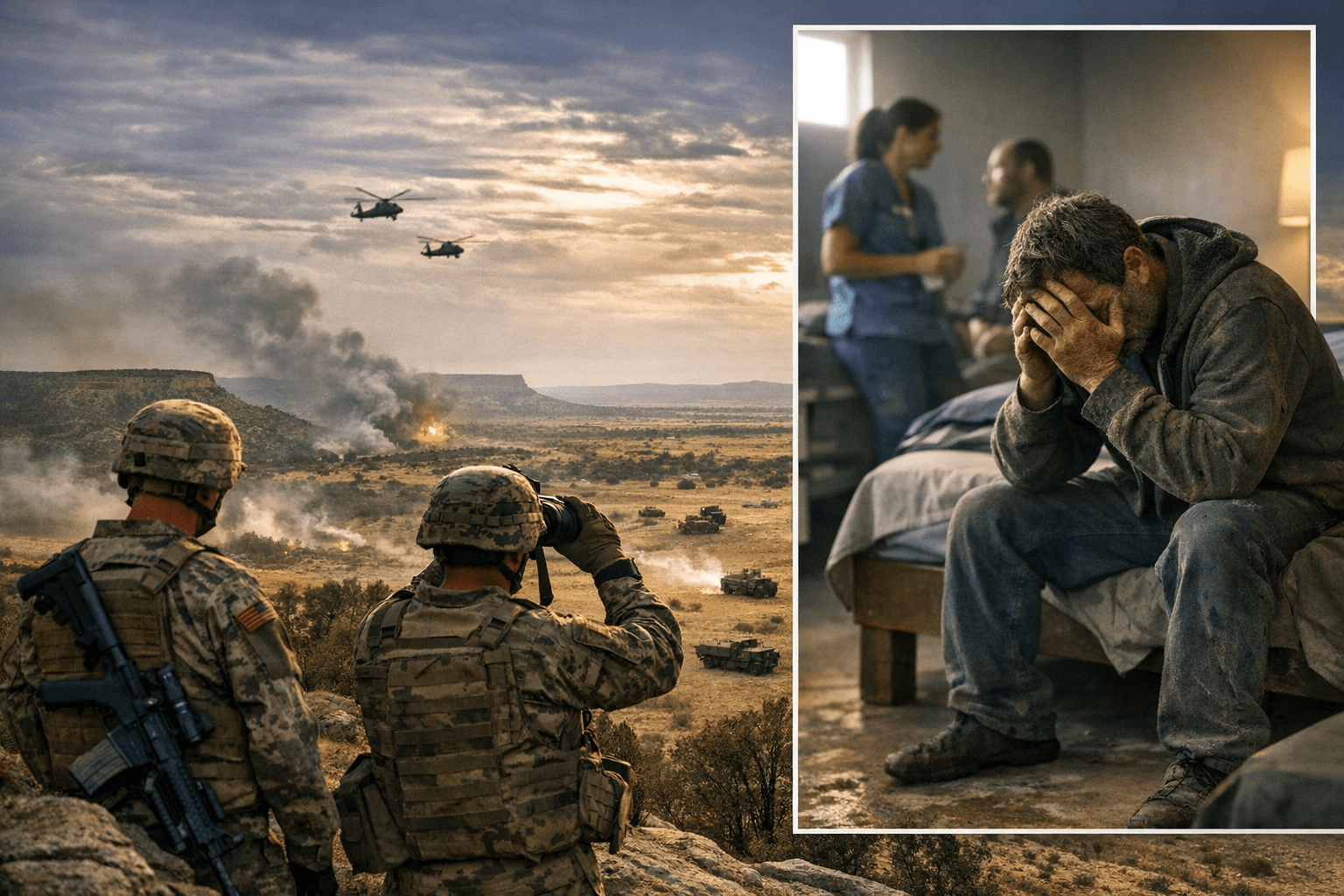
Las Animas County commissioners spent part of their April 7 meeting on two decisions that could hit residents fast: more military activity at Piñon Canyon Maneuver Site and fewer local detox options for people in crisis.
The sharper immediate concern was fire. Commissioners sent a letter to Fort Carson as the Army moved through a 45-day scoping period for its Enhanced Mission Training Proposal for Action at Piñon Canyon, a 235,896-acre site about 150 miles southeast of Fort Carson. The proposal would add a dedicated unexploded-ordnance disposal impact area, build new ranges, upgrade support infrastructure, reconfigure restricted airspace and analyze whether part of a Kinder Morgan natural gas pipeline that cuts across the site should be removed or abandoned. In Las Animas County, where the land around the training site is used mainly for livestock grazing, agriculture and recreation, any increase in activity raises the stakes for nearby homes, ranches and emergency responders.
That concern is not theoretical. A 2022 fire at Piñon Canyon burned 1,608 acres, and Fort Carson has conducted prescribed burns there before. County leaders have lived through similar fights before: the Army announced a major expansion plan in 2003, then canceled it in 2013. With that history, any new training proposal at Piñon Canyon is politically sensitive in southeastern Colorado, especially when it affects fire risk and land use near Trinidad and the surrounding ranch country.
Commissioners also heard from Charlie Davis, chief executive of Crossroads Turning Point, who warned that changes coming from the Colorado Behavioral Health Administration could eliminate withdrawal management, or detox, as a service. For a county the size of Las Animas, that would mean fewer places for people to stabilize during the most dangerous part of substance-use crisis, and more patients sent farther away for care. That can ripple outward quickly, through families trying to get help for a loved one, deputies handling intoxication calls and the emergency room absorbing patients who have nowhere closer to go.
Colorado says Health First Colorado covers the full substance-use-treatment continuum, including withdrawal management, inpatient and residential care, intensive outpatient treatment, medication-assisted treatment and outpatient services. The state expanded Medicaid coverage to include withdrawal management on Jan. 1, 2021, and partial hospitalization on July 1, 2024. The Behavioral Health Administration says emergency commitment can keep a person in a withdrawal management program for up to five days without consent, making detox a critical entry point, not a fringe service.
Taken together, the two discussions showed county officials pressing the same point on different fronts: decisions made in Denver or on a military installation can land immediately in Trinidad, on nearby ranches and in the county’s emergency rooms.
This article was produced by Prism’s automated news system from verified source data, official records, and press releases, then run through automated quality and moderation checks before publishing. The system is built and supervised by the people who set the standards it runs under. Read our full AI policy.
Did this article answer your question?