Las Animas hatchery supplies fish for eastern Colorado lakes
Las Animas hatchery quietly powers eastern Colorado fishing, raising catfish and bass that shape what anglers can catch in local lakes and reservoirs.

Las Animas Hatchery and Rearing Unit is one of the pieces of public infrastructure most anglers never see, yet it helps decide what bites in eastern Colorado lakes. Colorado Parks and Wildlife says the facility is one of the state’s two warm-water hatcheries, the first of its kind in Colorado, established in 1937.
How the hatchery fits the state fishing system
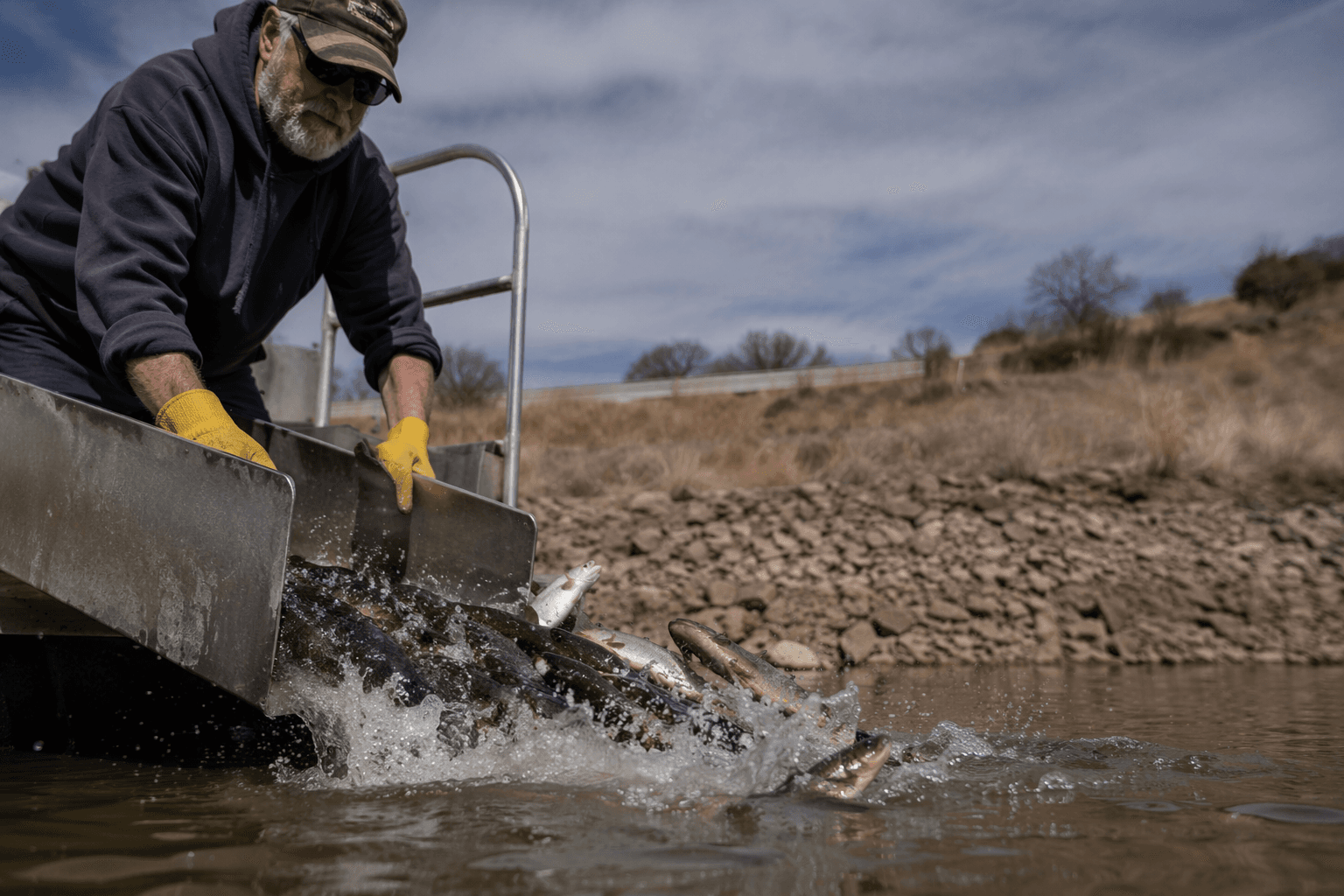
The Las Animas site is not a trout operation. It is built around warm-water fish, with brood fish used to produce the next generation of stocking fish for the region. Colorado Parks and Wildlife says brood units are hatcheries that hold and spawn domesticated fish, while rearing units hatch eggs and raise fish from other units, a division of labor that keeps the whole stocking system moving.
At Las Animas, the main brood fish are channel catfish and largemouth bass. Those species are then stocked into eastern Colorado lakes, which means the hatchery’s output helps shape the actual fishing experience across a broad stretch of the state rather than just near the facility itself.
Why the Las Animas site matters beyond the county line
The hatchery sits in Bent County, five miles west of Las Animas on Highway 194 and two miles north on County Road 5.5, in the lower Arkansas Valley on the Adobe Creek drainage. That location places it in a practical position for serving eastern Colorado waters, where warm-water fisheries matter more than cold-water trout production.
Channel catfish are especially important in that system because Colorado Parks and Wildlife says they are native to eastern Colorado and have been stocked in warmer rivers and reservoirs throughout the state. That makes Las Animas part of a long-running supply chain for lakes and reservoirs that do not naturally sustain the same fish communities year-round.
How anglers use the stocking system
The hatchery’s work becomes visible through Colorado Parks and Wildlife’s stocking report and fishing atlas tools. Each stocking-report entry includes an Atlas link that opens the Colorado Fishing Atlas, which shows the exact location of the body of water and additional information for anglers.
That matters because stocking is not just an abstract management task. It tells families where fish have recently been placed, helps visiting anglers decide where to spend a weekend, and shows local residents which waters are being actively managed. In a county surrounded by reservoirs, plains waters, and travel corridors, that information can make the difference between a predictable outing and a wasted trip.
The economic stake in a fish hatchery
Colorado Parks and Wildlife describes hatchery fish as part of the state’s broader angling economy, and it puts that value at $1.9 billion a year. The agency also says it currently operates 19 fish hatcheries that breed, hatch, rear, and stock more than 90 million fish per year across more than 30 species, plus the boreal toad.
Those numbers show why Las Animas should be understood as public infrastructure, not a side attraction. Colorado has more than 6,000 miles of streams and more than 1,300 lakes and reservoirs, and hatcheries help maintain enough fish to keep that system usable for license buyers, day-trippers, and anglers who support bait shops, fuel stops, cafés, campgrounds, and lodging near stocked waters.
What the hatchery produces, and why that mix matters
The choice of species at Las Animas is part of its regional role. Channel catfish and largemouth bass are the signature fish there, and both are suited to warmer waters that define much of eastern Colorado’s fishing landscape.
That focus also helps explain why the hatchery is one of only two warm-water facilities in the state. In practical terms, the site supports a different kind of fishing access than the mountain trout hatcheries most people picture when they think about fish production in Colorado. It keeps warmer reservoirs in the mix, giving eastern Colorado anglers a realistic chance to pursue species that fit those waters.
Why the historic date still matters
Las Animas Hatchery was established in 1937, and that history is part of the reason it remains important today. Being first among Colorado’s warm-water hatcheries gives it a long-standing place in the state’s fish management system, one that has outlasted many changes in where people fish and how they get there.
The broader lesson is simple: when CPW moves fish through this facility, it is not just filling a pond. It is deciding which lakes and reservoirs get stocked, what anglers can reasonably expect to catch, and how far the county’s influence reaches across eastern Colorado. That makes the hatchery one of Las Animas County’s quietest but most consequential public assets.
This article was produced by Prism’s automated news system from verified source data, official records, and press releases, then run through automated quality and moderation checks before publishing. The system is built and supervised by the people who set the standards it runs under. Read our full AI policy.
Did this article answer your question?