Rural Tax Proposal Raises Alarm for Las Animas County Homeowners, Officials Warn
Las Animas County commissioners raised concerns March 17 that a state tax proposal could cost rural homeowners more with little local benefit, amid Colorado's broader $850 million budget crisis.
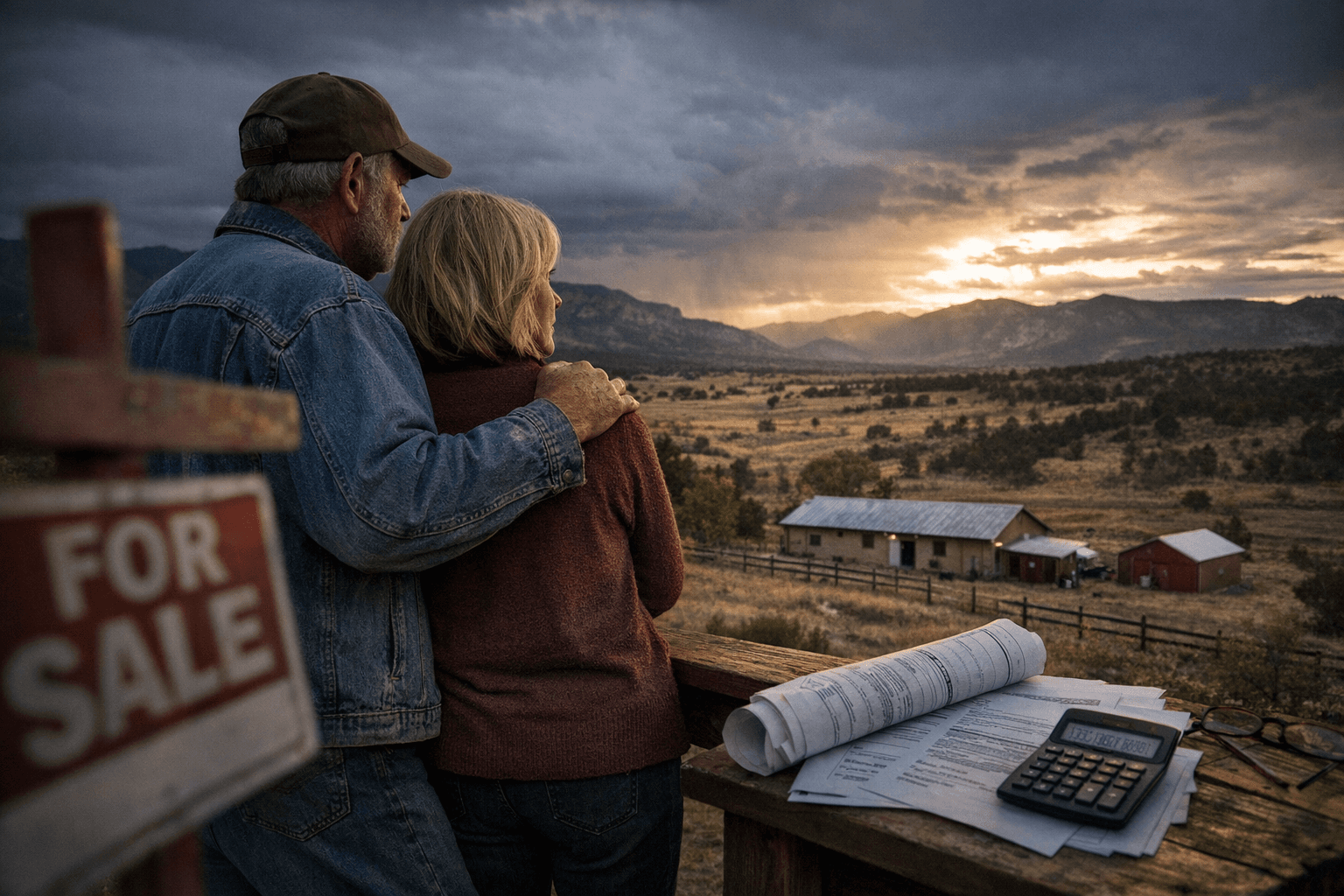
Las Animas County commissioners raised alarms at their March 17 courthouse meeting in Trinidad about a state tax proposal they warned could leave rural homeowners facing higher costs while delivering limited return to a small county like theirs.
The concerns arrived as Colorado lawmakers were deep in a fraught legislative session. Colorado lawmakers were debating how to close a roughly $850 million budget gap in the upcoming fiscal year's spending plan, and that fiscal pressure has produced a cascade of proposals with sharply uneven consequences depending on where in the state a taxpayer lives.
One measure being pushed by a coalition of advocacy groups would eliminate Colorado's flat income tax rate in favor of a tiered, graduated system that would reduce taxes for some lower earners while raising them on those making $500,000 or more annually. Supporters said the additional funding would give the state the support it needs to reduce strains on local governments, which are currently being asked to do more with less.
But the picture looks different from Trinidad. The median property tax in Las Animas County is $422 per year for a home worth the median value of $142,300, and the county collects on average 0.3% of a property's assessed fair market value as property tax. That already-thin margin means any shift in how the state structures taxation and revenue distribution carries outsized risk for a county operating at the lower end of Colorado's fiscal scale.
Las Animas County has one of the lowest median property tax rates in the country, with only 2,558 of the 3,143 counties nationally collecting a lower property tax. That leaves commissioners with little cushion to absorb funding shortfalls if state revenue-sharing formulas shift in ways that favor more populated counties.
The county's concerns about state-driven tax changes are not new. The Las Animas County Assessor's Office has noted that recent changes came straight from the state capitol, with new requirements under Colorado legislation requiring counties to change how property taxes are calculated and how bills are formatted, and that counties are required to follow the law as written whether they agree with those changes or not.
Colorado's multi-year property tax restructuring has already altered what homeowners see when their bills arrive. The biggest shift for tax years 2025 through 2027 is that Colorado is moving away from a single, statewide residential assessment rate. For tax year 2026, payable in 2027, the law introduces additional residential assessment rates and creates a 10% exemption on the first $70,000 of residential value, a change the Assessor's Office says is intended to provide some relief for most homeowners as part of the broader, multi-year restructuring.
The broader state budget environment compounds those concerns. Rural areas face fragile health care systems and a lack of public funding that can have a ripple effect throughout the entire local economy, a dynamic commissioners in Trinidad know firsthand in a county of just under 15,000 people spread across southeastern Colorado's wide open terrain.
The graduated income tax measure still has a long way to go before it can be placed in front of voters. Supporters must gather upward of 125,000 signatures to get the measure on the November ballot, a process that can cost millions. Colorado Democrats are also pushing a separate measure to raise the TABOR cap by potentially $2 billion annually for the next decade, with the additional money channeled into K-12 schools; that proposal must first clear both chambers of the legislature.
For Las Animas County, where the Board of County Commissioners meets in regular session twice per month at the Las Animas County Courthouse, Room 201, the March 17 discussion underscored a persistent tension: decisions made in Denver shape daily fiscal reality in Trinidad, and rural counties rarely hold the votes to change them.
This article was produced by Prism’s automated news system from verified source data, official records, and press releases, then run through automated quality and moderation checks before publishing. The system is built and supervised by the people who set the standards it runs under. Read our full AI policy.
Did this article answer your question?